Supervision & Consultancy
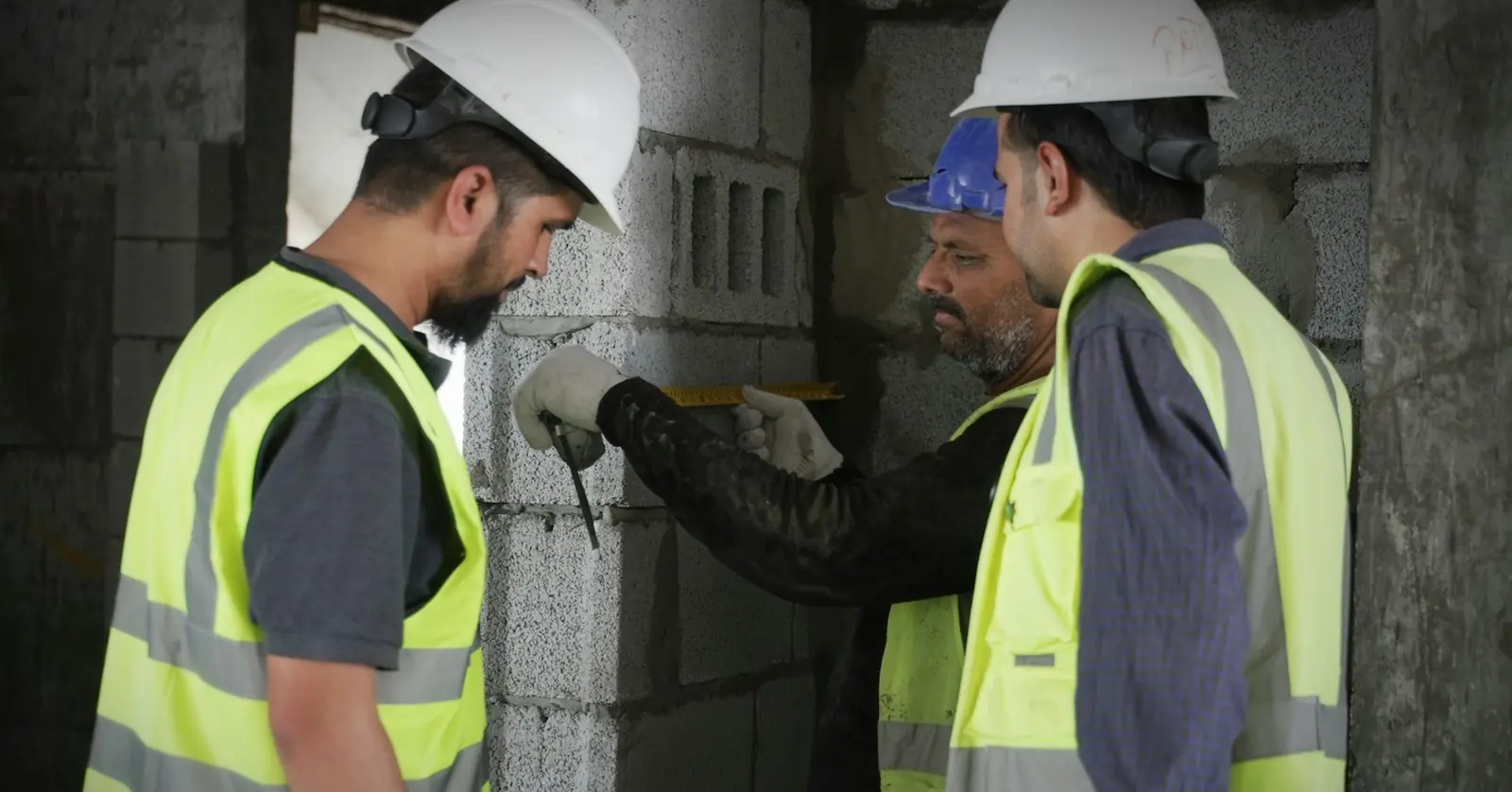
A dedicated team of support engineers managing scheduling, technical queries, quality and safety on every project.
Request a QuoteA finishing programme is only as reliable as the team managing it day to day — project management and scheduling, a technical services desk for design queries, and quality and safety supervision, staffed as distinct functions rather than one engineer's part-time responsibility. This is the capability that keeps the other four on schedule and accountable, on every project regardless of scale.
It is the reason a government client can hand us an institute-scale project like the Institute of Public Administration in Jeddah or a university campus like Prince Sultan University of Engineering in Al Kharj and expect the same standard of reporting and technical oversight as on a private villa — the supervision function does not scale down.
How we deliver this
- 01
Programme set-up & mobilisation
A schedule, submittal log and safety plan are established against the main contractor's critical path before site work starts, not assembled after the fact.
- 02
Technical query & submittal management
Shop drawings are reviewed and technical queries logged and tracked to closure throughout the project, not left as open items nobody's accountable for.
- 03
Trade handover inspection
Each trade's work is checked and signed off before the next trade builds on top of it — waterproofing before it's covered, reinforcement before it's poured — at every handover, not only at final walkthrough.
- 04
Progress tracking & escalation
Slippage is flagged and escalated while there's still float to recover it, and coordination meetings run against a live programme rather than a static one.
- 05
Site safety supervision
Scaffolding, edge protection, housekeeping and material storage are checked as a routine part of the programme, not only after an inspector's visit is announced.
- 06
Reporting & handover documentation
A current submittal log and progress reports stay available to the client and main contractor throughout the project, not reconstructed from memory at the end of it.
Who checks whom on a project
Three layers of checking can exist on a project, and confusion between them causes disputes. The contractor supervises its own work and inspects it before asking anyone else to. The client's consultant, or the main contractor's engineer, inspects and accepts or rejects it. Where the specification requires, an independent laboratory or third party tests materials and systems. A contractor's supervision reduces rejections and surprises; it does not replace the consultant's acceptance. Some clients use a contractor's supervision function alongside their own consultant, others appoint a separate supervision firm and keep the contractor to self-inspection. Either can work if the boundary is written into the project documents; Main Contractor vs Subcontractor: What's the Difference? covers how it differs between main-contractor and subcontractor roles.
What each supervision function answers
| Function | The question it answers | Typical records | Who relies on it |
|---|---|---|---|
| Project management and scheduling | Are we on programme, and what is blocking us? | Programme, look-ahead, progress reports, meeting actions | Client, main contractor, site teams |
| Technical services | Is each detail clear, approved and coordinated? | Shop drawing reviews, submittal log, technical query log | Design team, main contractor, foremen |
| Quality and safety supervision | Is the work right, and is the site safe to work on? | Inspection requests and records, non-conformance reports, safety checks | Consultant, client, every trade |
The inspection request loop
- 01
Request
The trade finishes its work and asks for inspection, with the drawings, the checklist and any test records attached. Asking before the work is complete wastes a visit.
- 02
Inspect
The supervisor or consultant checks the work against the drawings, the specification and the approved samples, on site and before the next trade covers it. The same loop applies to structural, external, finishing and MEP work.
- 03
Record
The result is written down as approved, approved with comments or rejected, with location and photographs. A verbal all-clear leaves nothing to rely on later.
- 04
Correct
Rejected work is corrected and inspected again under the same request, so the record shows the fault and the fix.
- 05
Release
Only then is the area released to the next trade. Without a recorded release, the next trade builds on work nobody has verified.
The handovers a programme depends on
Most delay sits at the handovers between packages. Log each one with a date, an owner and the record that proves it, so the programme shows what is actually ready rather than what is assumed. These are the five to log first:
- Structure released to the other trades, with the as-built survey (Structural Works).
- Roof treatment tested before cladding and paving go on around it (External & Facade Works).
- MEP first-fix tested before partitions and ceilings close (MEP Works).
- Wet-area waterproofing flood-tested before screed and tile go over it (Wet-Area Waterproofing).
- Finishes handed over area by area with the snag list closed (Architectural Finishing).
What good reporting looks like
A client should be able to open the project records at any time and see the current position. Expect:
- A programme tied to the main contractor's critical path, with a short look-ahead that changes when decisions change.
- A submittal log showing what is approved, pending and overdue.
- A technical query log with the date raised, who owes the answer and when it closed.
- An inspection register linking each hold point to its record.
- A short list of open non-conformances and safety observations, each with an owner.
- Photographs and progress by area, not a single overall progress figure.
Records are only worth having if they are kept current: a submittal log rebuilt at the end of a project records memory, not decisions.
What to write into the contract
Supervision is most useful when its terms are explicit before work starts:
- Named hold points for each trade, and who may release them.
- Review periods for submittals and technical queries, and what happens if an answer is late.
- How often reports and coordination meetings are issued, and who receives them.
- Which tests are witnessed and which are only documented.
- Who keeps the master programme and how changes to it are approved.
- The safety plan: who writes it, who checks site conditions and how observations are closed.
- Handover documentation, and who compiles it.
Saudi conditions that shape supervision
- Summer working restrictions. Authorities limit outdoor work during the hottest part of summer days, so external and structural activities need those hours built into the programme, with heat-stress precautions on site. Rules are updated, so confirm the current requirements when each project starts.
- Dust control in Riyadh. Larger sites face dust-control requirements, so suppression, covered loads and site watering belong in the safety plan from the start.
- Distance. Al Kharj, Huraymila and Muzahmia are a journey from a Jeddah-based team, so inspection requests, deliveries and query answers need planning around travel, and the inspection routine should not depend on a visit.
- Approvals and lead times. Stone, joinery and equipment often take a long time to deliver, and authority inspections can sit on the critical path, so approvals should be issued early and inspections shown in the programme.
What's included
- Project management & scheduling
- Technical services department
- Quality & safety supervision
What's handled by another capability
- Structural and architectural design development — coordinated with the client's own consultant
- Independent third-party quality certification or safety auditing where a project requires one
- Standalone project management decoupled from Ashlaar's own construction scope — available on request, not offered by default
Explore this capability in depth


Projects using this capability
 Government
 Commercial
 Government
Where we deliver this
Head officeJeddah
Makkah Region
Ashlaar's head office, and the largest share of our project record.
7 projects delivered
Riyadh
Riyadh Region
Our largest project base outside Jeddah.
6 projects delivered
Dammam
Eastern Province
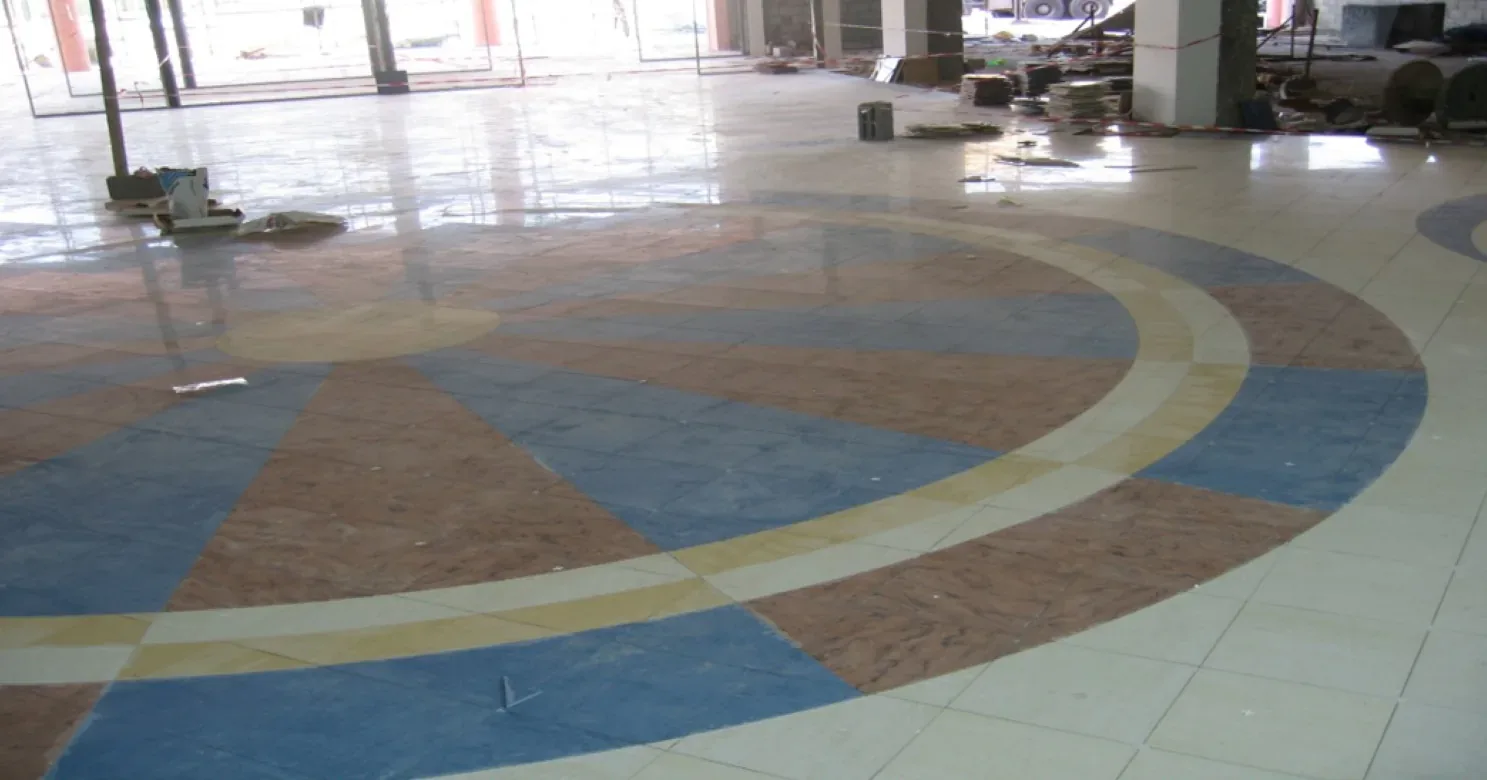
Interior finishing and flooring for a retail development.
1 project delivered
Al Ahsa
Eastern Province
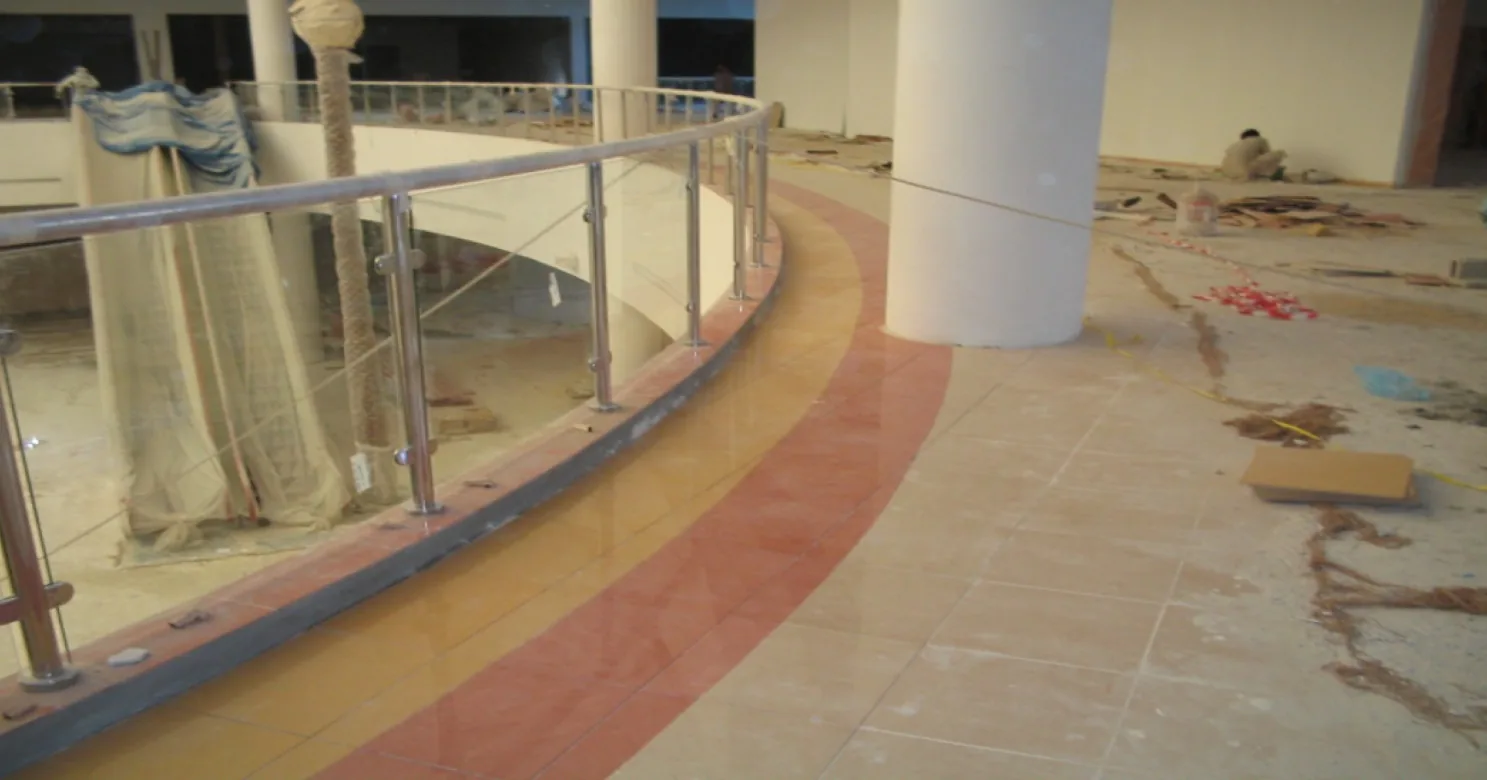
Architectural finishing for a healthcare facility.
1 project delivered
Al Kharj
Riyadh Region
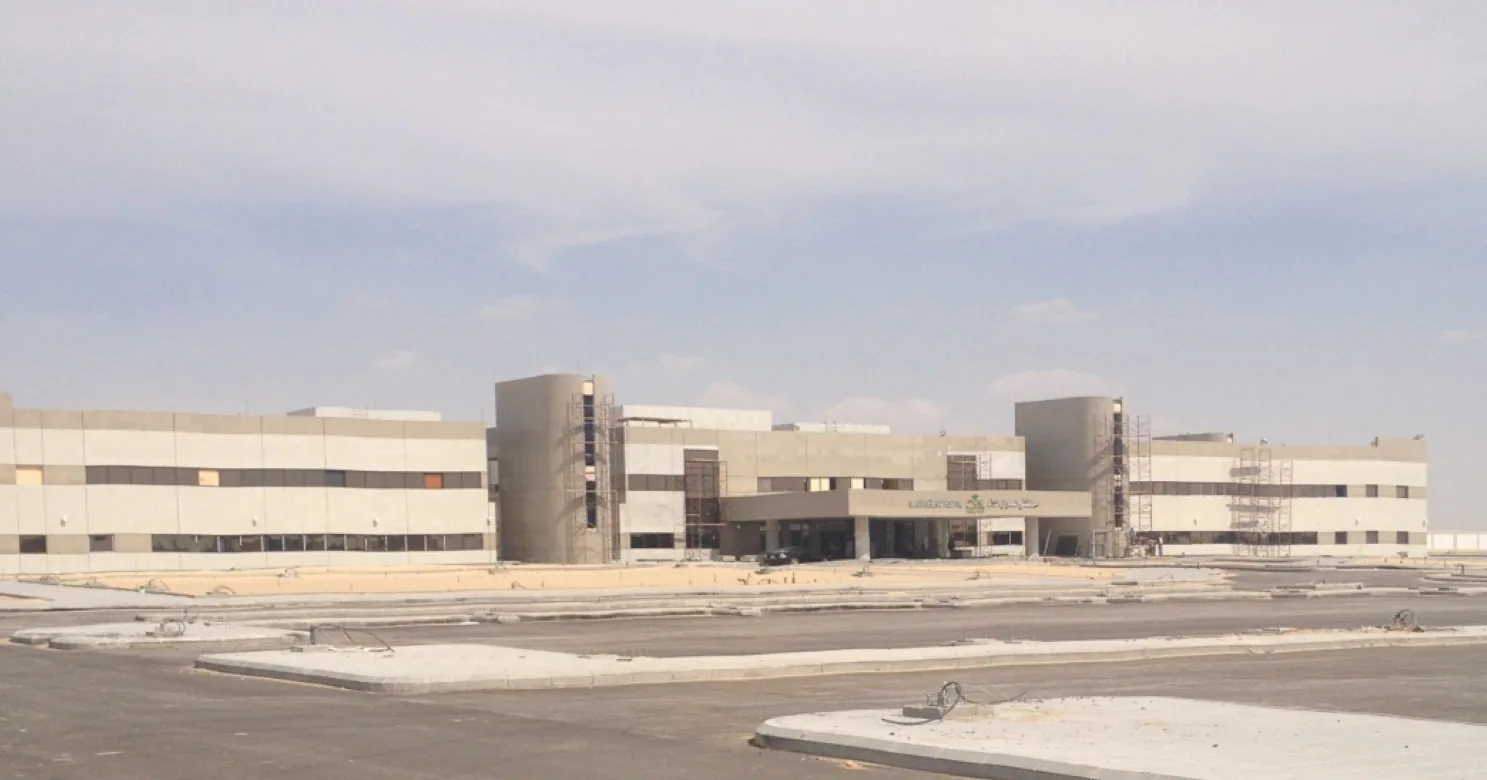
The Kingdom's dairy capital — and our largest Riyadh Region project outside the capital itself.
1 project delivered
Huraymila
Riyadh Region
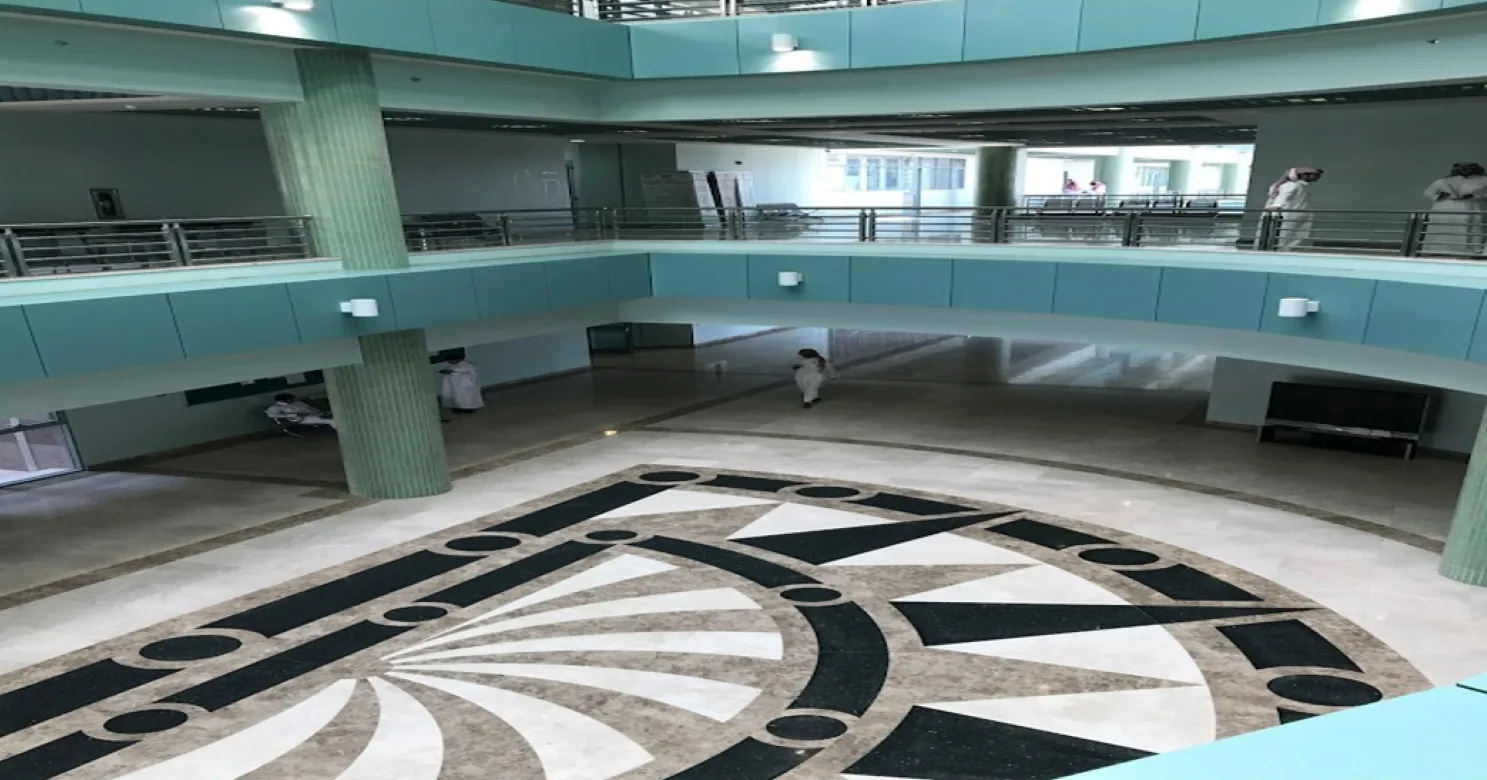
A college campus finishing scope, part of our wider Riyadh Region higher-education work.
1 project delivered
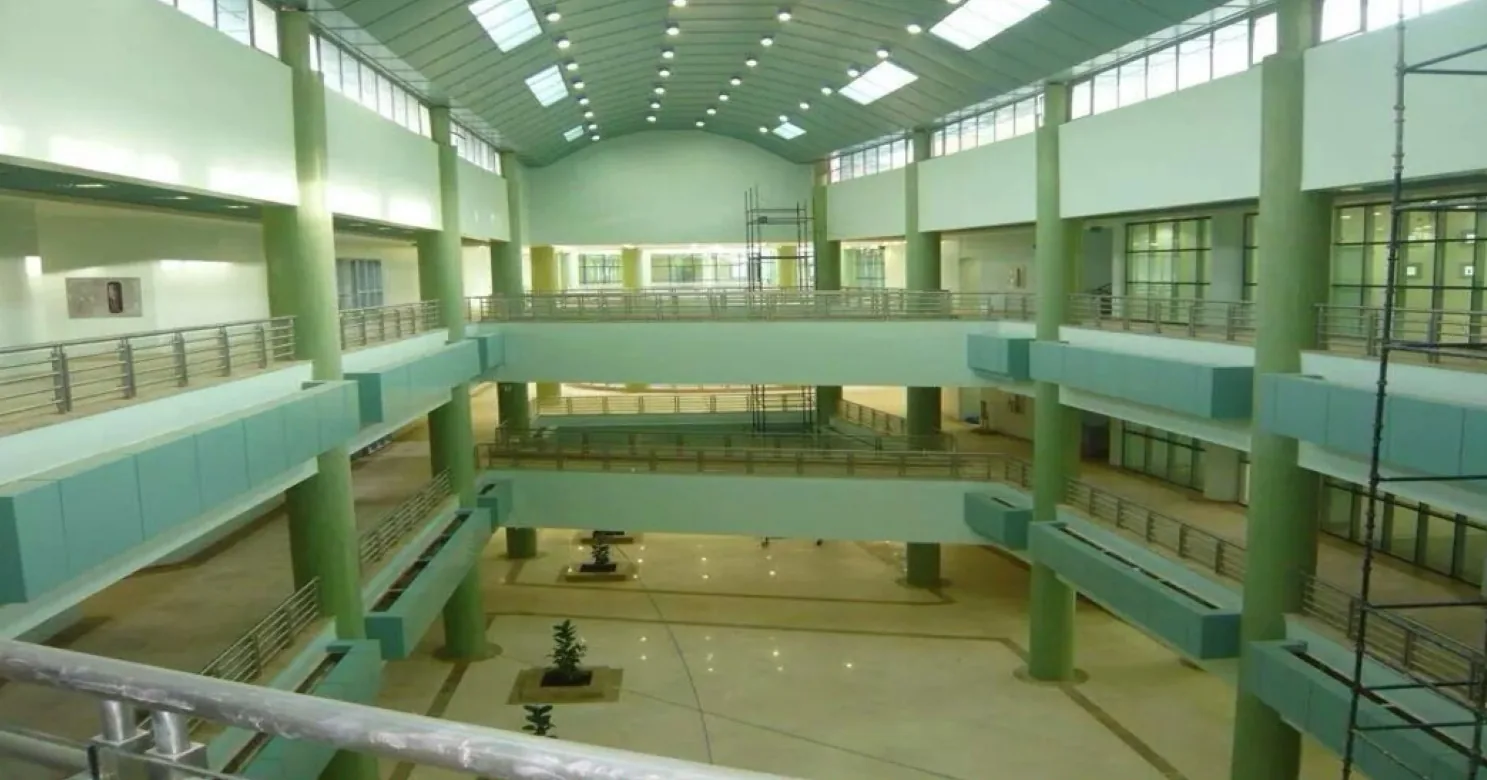
Muzahmia
Riyadh Region
A university campus finishing scope, on the Riyadh–Mecca Highway corridor west of the capital.
1 project delivered
What affects the cost
Every quote is scoped to the actual project, not a rate card — the real drivers are the size of the area being finished, the material grade specified, how many trades are sequenced around the work, and site access and logistics. Your technical team will give you a clear, itemised estimate after a scope review, not a bare figure with no basis.
Why main contractors keep calling us back
One contract, five trades
Finishing, facade, MEP, structure and supervision sit under one accountable team, so the gaps between trades stop being your problem to manage.
Built to government specification
Twenty-five years on ministry, university and hospital work means our QA records, submittals and HSE files arrive in the form the consultant expects.
Engineers on site, not on paper
A dedicated support-engineering team runs scheduling, technical queries, quality and safety daily on every active project.
A schedule you can report upward
We sequence the finishing works against the main contractor's critical path and report progress against it every week.
Related reading
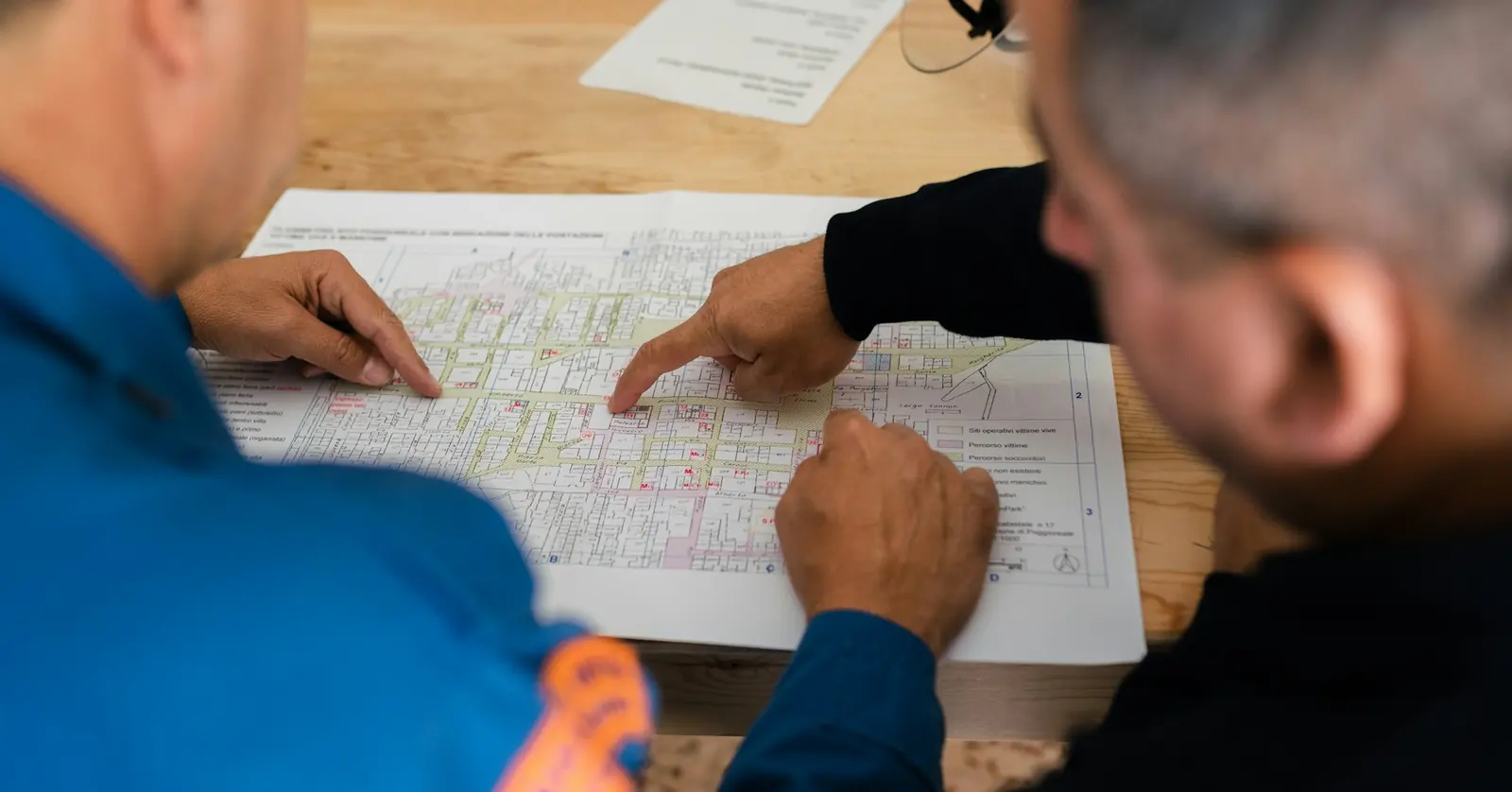
Questions to Ask Before Hiring a Finishing Contractor in KSA
A working checklist of the questions to ask any finishing contractor in Saudi Arabia before signing — on scope, programme, quality and payment.
Read more
How to Choose a General Contracting & Finishing Company in Saudi Arabia
A practical guide to vetting general contracting and finishing companies in Saudi Arabia — what to check, red flags to avoid, and questions to ask first.
Read more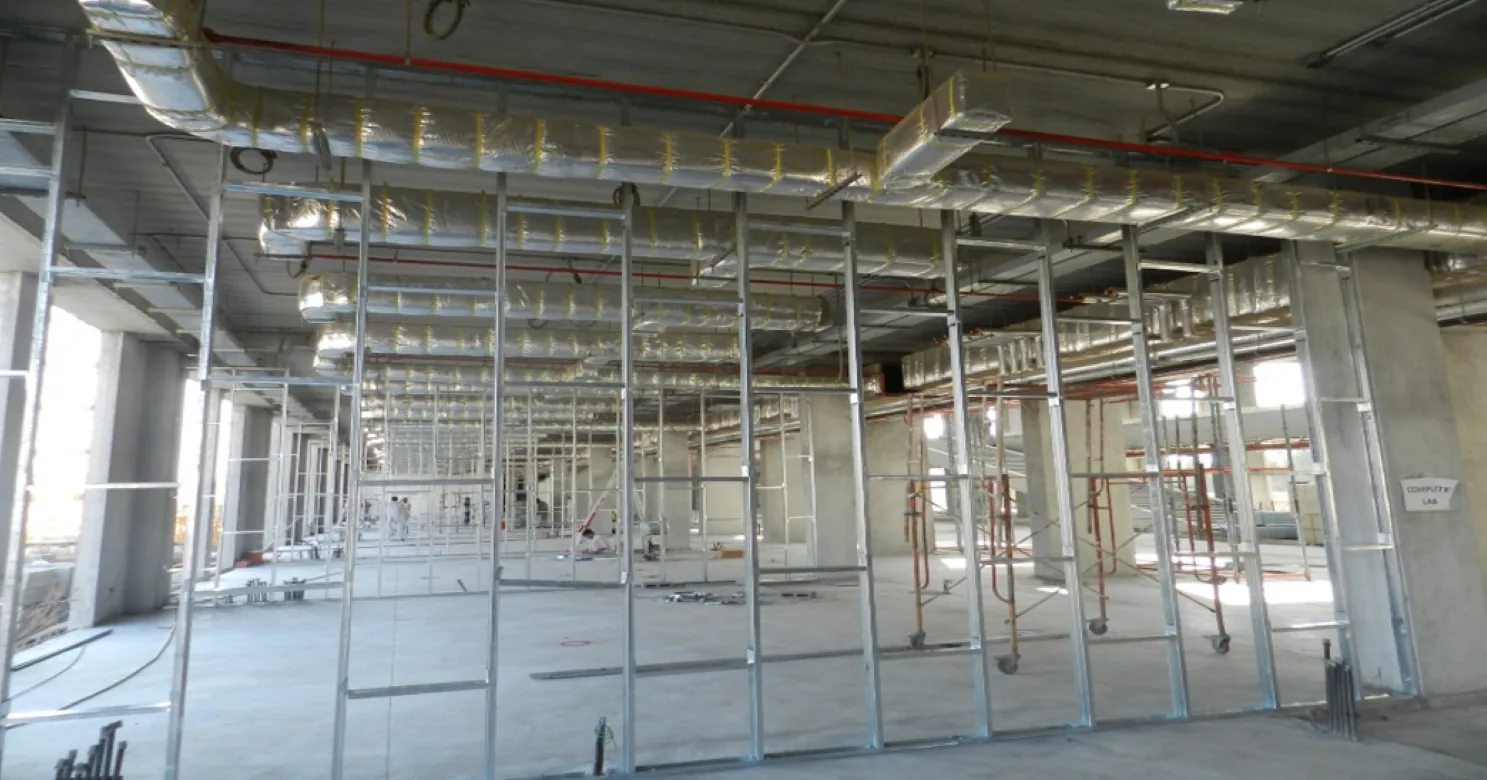
Main Contractor vs Subcontractor: What's the Difference?
Main contractor and subcontractor sound like a hierarchy of quality, but the real difference is contractual role. Here's how it actually works.
Read more
Understanding Saudi Contractor Classification Grades
How Saudi Arabia's contractor classification grades work, why they matter beyond government tenders, and how to verify one before you rely on it.
Read more
How to Become an Approved Contractor for Government Projects in Saudi Arabia
What it actually takes to work on government and institutional projects in Saudi Arabia, from contractor classification to on-site expectations.
Read moreFrequently asked
Do project management, technical services and quality & safety run as one team, or three separate functions?
One support-engineering team covers all three — the same team that tracks the schedule also resolves technical queries and inspects quality and safety, rather than three separate consultants layered on top of the project.
Does supervision and consultancy replace the need for an independent third-party consultant?
No — where a project requires an independent, client-appointed consultant for design or certification, our supervision team coordinates with them rather than replacing that role. What we provide is the day-to-day management, technical coordination and quality/safety discipline across our own construction scope.
Is this capability scaled down for smaller, private projects?
No — the same reporting and technical oversight standard applies whether the project is an institute-scale government building or a private villa; the supervision function does not scale down.
How does Ashlaar catch quality or safety issues before they become expensive?
Inspection is built into the programme at each trade handover, not only at project milestones — work that doesn't meet specification is flagged and corrected before the next trade builds on top of it.
Which functions fall under Supervision & Consultancy?
Three — project management & scheduling, the technical services department, and quality & safety supervision — see the full list below.
What is the difference between an inspection request and a snag list?
An inspection request is raised by the trade before the next trade covers or builds on its work, so problems are caught while access is still easy. A snag list is compiled near completion, area by area, for defects that remain visible. Relying on snag lists alone means hidden work, such as waterproofing or services, was never checked.
How should submittal approval time be shown in the programme?
As its own activity with its own review period, taken from the contract, plus time for resubmission and for ordering after approval. Materials with long delivery times should be approved first. Programmes that only start ordering once site work begins tend to stall on the first finish.
Who can release a hold point?
The person named in the contract or inspection plan, usually the client's consultant or the main contractor's engineer, not the trade that did the work. The release should be recorded in writing so the next trade can show it was authorised to proceed.
Do summer working restrictions affect the programme?
They can. Authorities limit outdoor work during the hottest part of summer days, so external and structural activities should be programmed with those hours in mind, and heat-stress precautions planned for the site. Rules change, so confirm the current requirements for each project at the start.
Planning a project? Let's talk finishing.
Tell us about your scope and timeline — our technical team will respond with a clear, considered proposal.