Building Painting Contractor in Jeddah
Building painting contractor in Jeddah: interior and exterior painting, with surfaces prepared and primed and a system chosen for the substrate and climate.
Request a QuotePaint is the finish everyone judges a building by on day one, and it's also the finish that shows every shortcut taken underneath it — an unprepared surface, a skipped primer coat, or a system that wasn't right for the substrate telegraphs through as patchiness, peeling or fading within a year or two, especially on an exterior facade carrying full sun exposure. We treat surface preparation as the part of a paint job that actually determines how long it lasts, not the part that gets rushed to get to the colour coat.
Our painting scope covers interior walls and ceilings and exterior facades, prepared and coated in a system suited to the substrate — plastered block, concrete, gypsum board and previously painted surfaces all take different preparation. Work follows the same sequence on every project: surface cleaned, cracks and defects repaired, and sanded or profiled where needed; primer applied and left to cure fully before the next coat; and finish coats applied to the number of coats and film thickness the system requires, not judged by eye alone. Exterior work is scheduled around temperature and wind rather than a fixed calendar date, since paint applied in the wrong conditions fails early regardless of the product used.
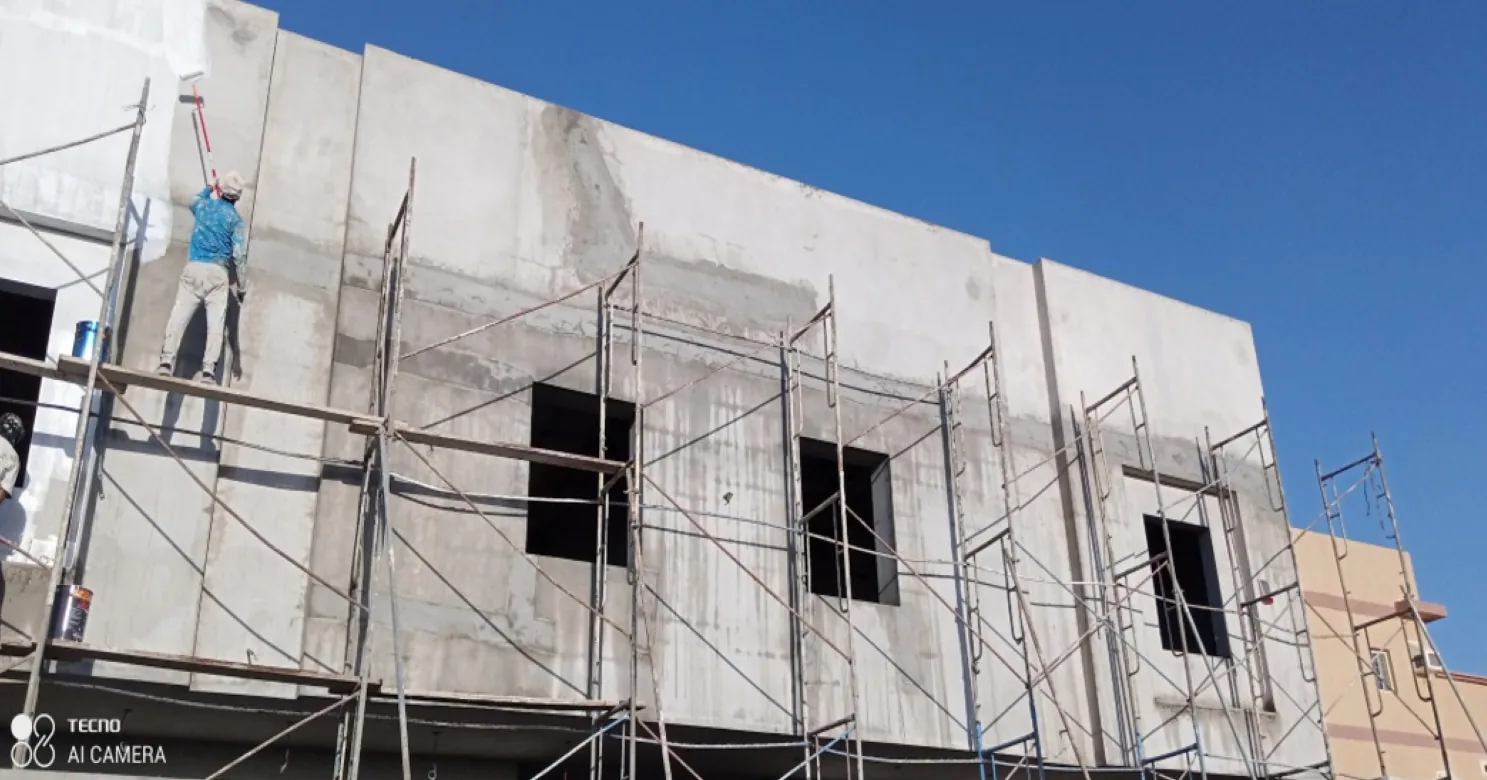
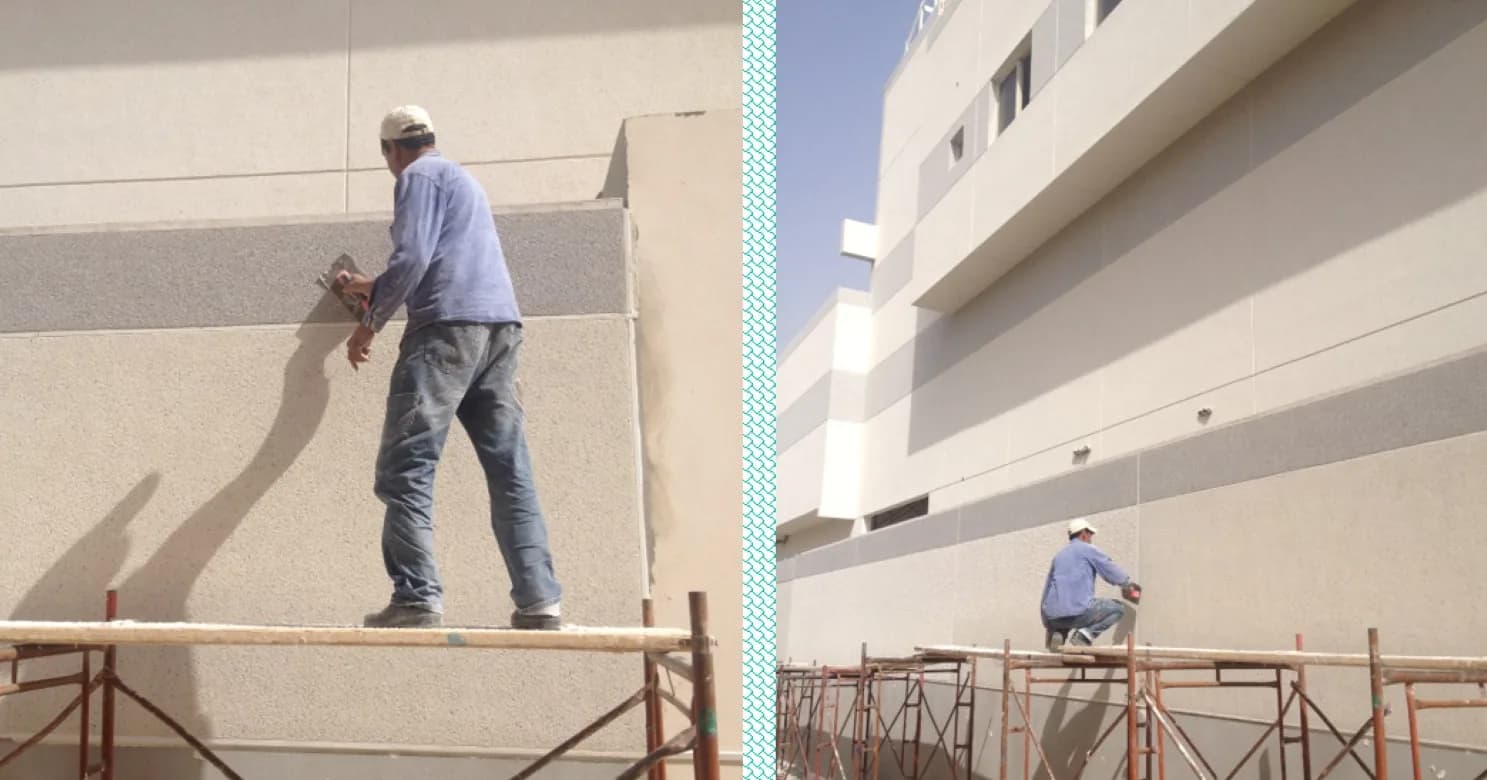
This is scope we've carried across government, commercial and residential work since 2000 — including the exterior facade coating on a private villa in North Jeddah, applied from scaffolding across the full elevation as part of the same turnkey finishing and external works programme, coordinated with the plastering it went over rather than scheduled as an unrelated trade.
Painting is sequenced after plastering has cured and after any wall-mounted fixtures, trim or paneling that needs to sit behind — rather than over — the paint line has been agreed, so the finish coat is the last thing to go on a wall, not something worked around by trades that come after it.
What's in scope
- Interior wall and ceiling painting
- Exterior facade painting from scaffolding where required
- Colour-matched patch and repair painting
How we deliver this
- 01
Surface cleaning & repair
The surface is cleaned, cracks and defects repaired, and sanded or profiled where needed.
- 02
Priming
Primer is applied and left to cure fully before the next coat goes on.
- 03
Finish coats
Finish coats are applied to the number of coats and film thickness the system requires, checked rather than judged by eye alone.
- 04
Weather-scheduled exterior work
Exterior work is scheduled around temperature and wind rather than a fixed calendar date.
- 05
Coordination with fixtures & trim
Any wall-mounted fixtures, trim or paneling sitting behind the paint line is agreed before the finish coat goes on.
- 06
Final finish
The finish coat is the last thing applied to a wall, once plastering has cured and surrounding trades are clear.
Matching the paint system to the surface
There is no single paint. Each surface needs a system, with preparation, primer and finish coats chosen together for the substrate, the exposure and the wear it will see. Follow the specified product's data sheet for preparation, coverage, coats, drying and recoating.
| Surface | System | Points to watch |
|---|---|---|
| Interior walls and ceilings | Water-based interior emulsion, with sheen chosen area by area; a washable or epoxy coating in hygiene-sensitive spaces | Higher sheens wash better but show every surface flaw |
| Exterior facades | Weather-resistant exterior coating; a flexible, crack-bridging type where hairline cracking is expected | Must suit the render or concrete beneath; sealant at joints must be paintable |
| Textured or decorative finishes | Textured coating over prepared render | Texture hides minor unevenness, not cracks or movement |
| Metal and timber | A primer made for the material, then a compatible finish coat as specified | Galvanized steel needs a primer made for it; bare steel needs rust treatment first |
How Jeddah and Riyadh change the job
Jeddah brings humidity, salt air and strong sun. Riyadh brings dry heat, dust and wide day-to-night swings. All of it shows up in the paint film. Paint applied to a hot, sun-baked wall can dry too fast to form a proper film, humid or dewy conditions trap moisture, and wind-blown dust ruins a wet coat. Work to the data sheet's limits for surface temperature and humidity, and plan exterior work around sun and wind.
- Wash chalky and salt-contaminated surfaces, treat mould, and let the wall dry before priming.
- Check moisture in new plaster and in any wall with a history of damp; never paint over a damp wall.
- Use an alkali-resistant primer on new cement-based plaster.
- Prime jointed gypsum board, whether from partitions or ceilings, so the joints and the board absorb evenly and do not show through the finish.
- Repair cracks with a filler suited to the movement, and seal joints with a paintable flexible sealant.
- On facades, stop at natural breaks such as corners and joints, so a lap line does not show between scaffold lifts.
Common paint failures and what causes them
- Blistering or bubbling: moisture in the wall, or paint applied over a hot or damp surface.
- Peeling or flaking: poor adhesion from dust, salts, grease, loose old paint or a missing primer.
- Chalking and fading: sun and weather breaking down an exterior film that is too thin or not exterior grade.
- White powdery deposits pushing through the paint: salts carried by moisture. The water source has to be fixed; repainting will not stop it.
- Cracks reappearing: cracks that were filled without allowing for the substrate movement that caused them.
- Patchy sheen and roller or lap marks: uneven absorbency, no primer or sealer, or a wet edge lost in the heat.
What good looks like at handover
Judge finished paint in daylight and in raking light, from the distance the space is actually used.
- Even colour and sheen across each wall, with no missed spots, runs or sags.
- Straight cut lines at ceilings, frames and colour changes, and clean switches, sockets and hardware.
- Coat count and material consumption consistent with the specification and the data sheet.
- The finished work matches the approved sample area.
- Leftover paint labelled with the product, colour reference and batch, for future touch-ups.
What moves programme and cost
Programme and cost follow the condition of the surface and the extent of repair before any paint goes on, the coats and colour depth the system needs, access such as scaffolding or working in an occupied building, and weather windows and recoat times for exterior work. Painting only starts once plastering has cured and been signed off. On a full elevation, such as the facade coating from scaffolding on the private villa in North Jeddah, planning the lifts and weather limits is as important as the product.
What's handled by another capability
- Plastering and substrate repair beneath the paint — see Plastering
- Wall paneling and fixed joinery — see Doors & Windows Installation
- Structural facade cladding — see External & Facade Works
Materials & systems
- Interior paint systems
- Exterior weather-graded paint systems
- Substrate-matched primer systems
Where we deliver this
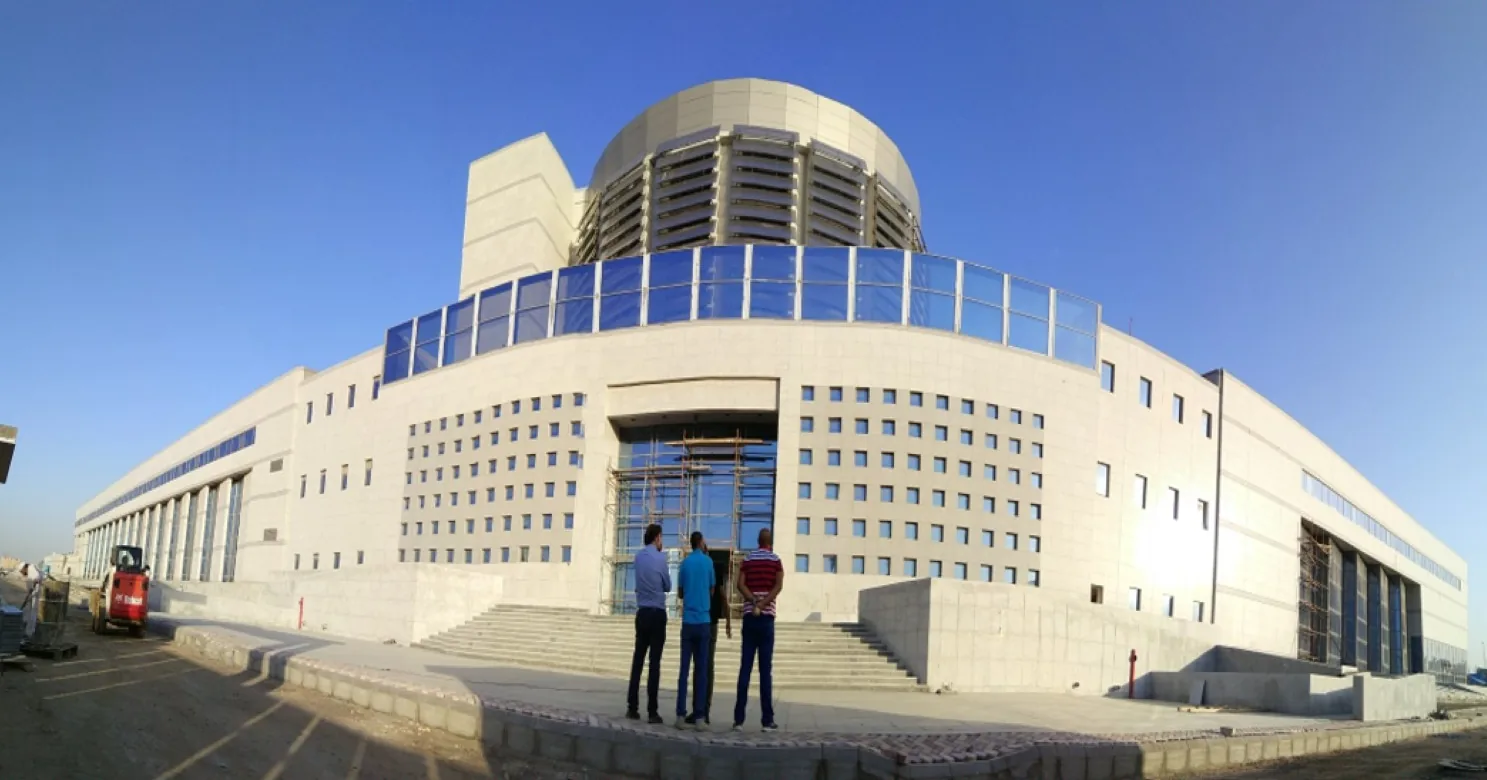 Head office
Jeddah
Makkah Region
Ashlaar's head office, and the largest share of our project record.
7 projects delivered
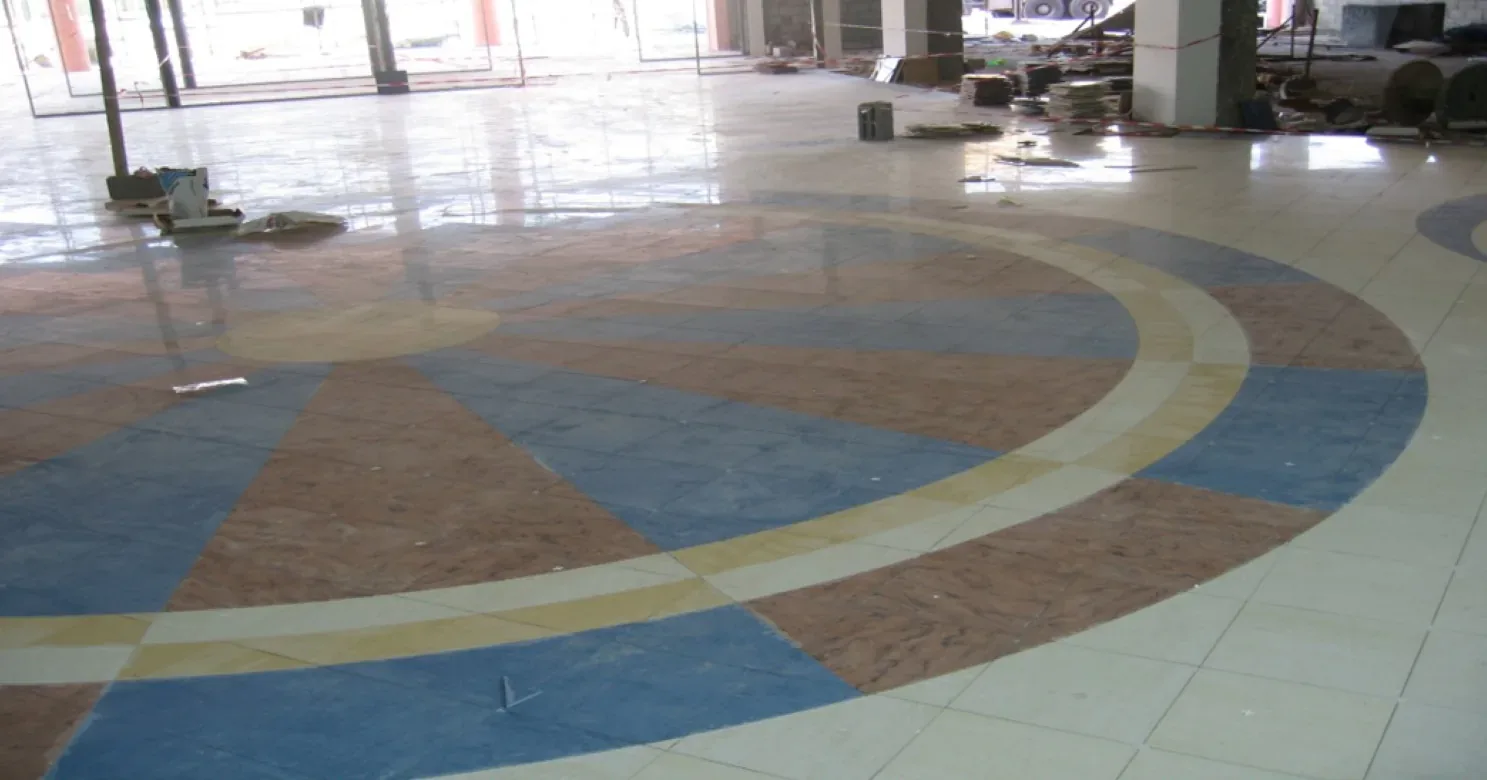
Riyadh
Riyadh Region
Our largest project base outside Jeddah.
6 projects delivered
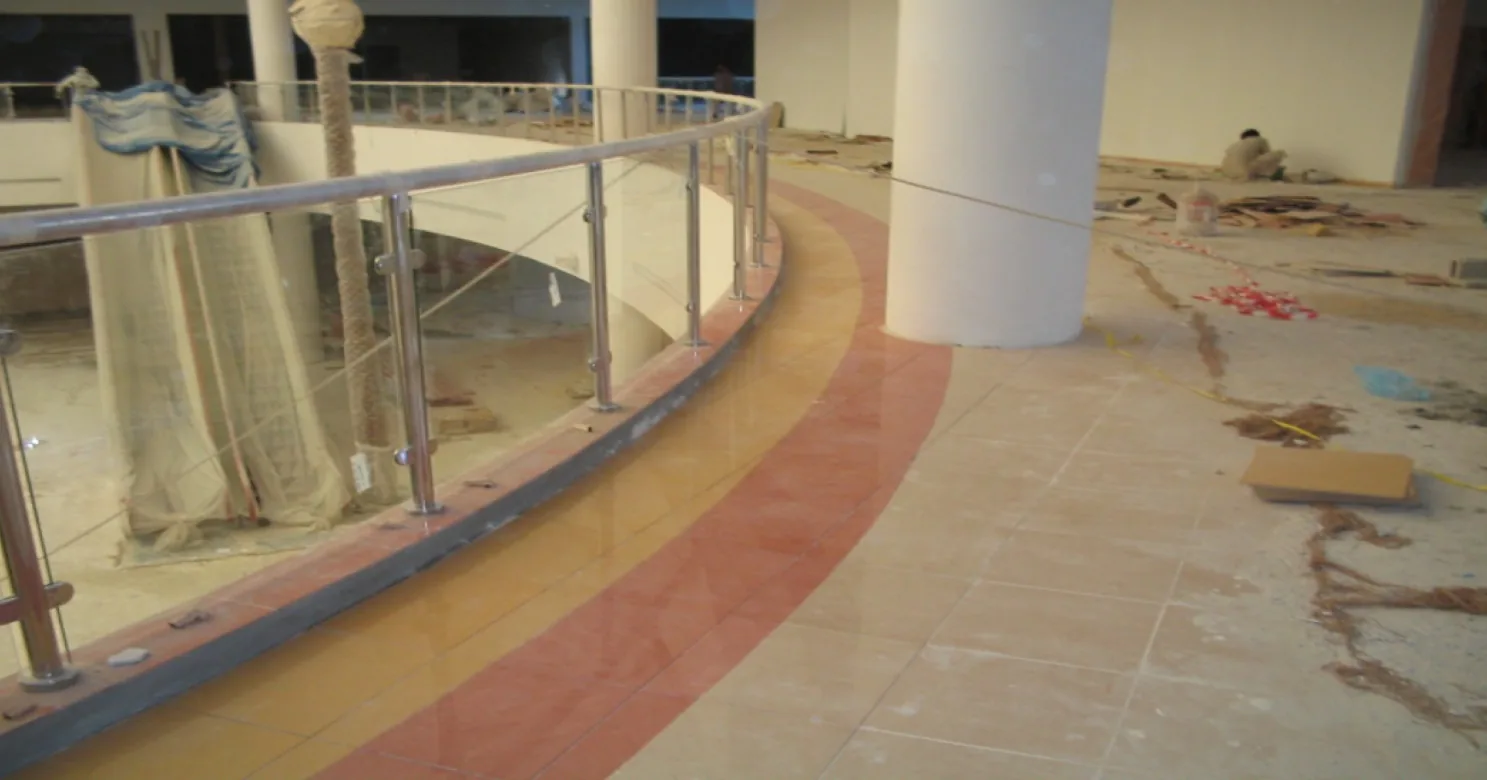
Dammam
Eastern Province
Interior finishing and flooring for a retail development.
1 project delivered
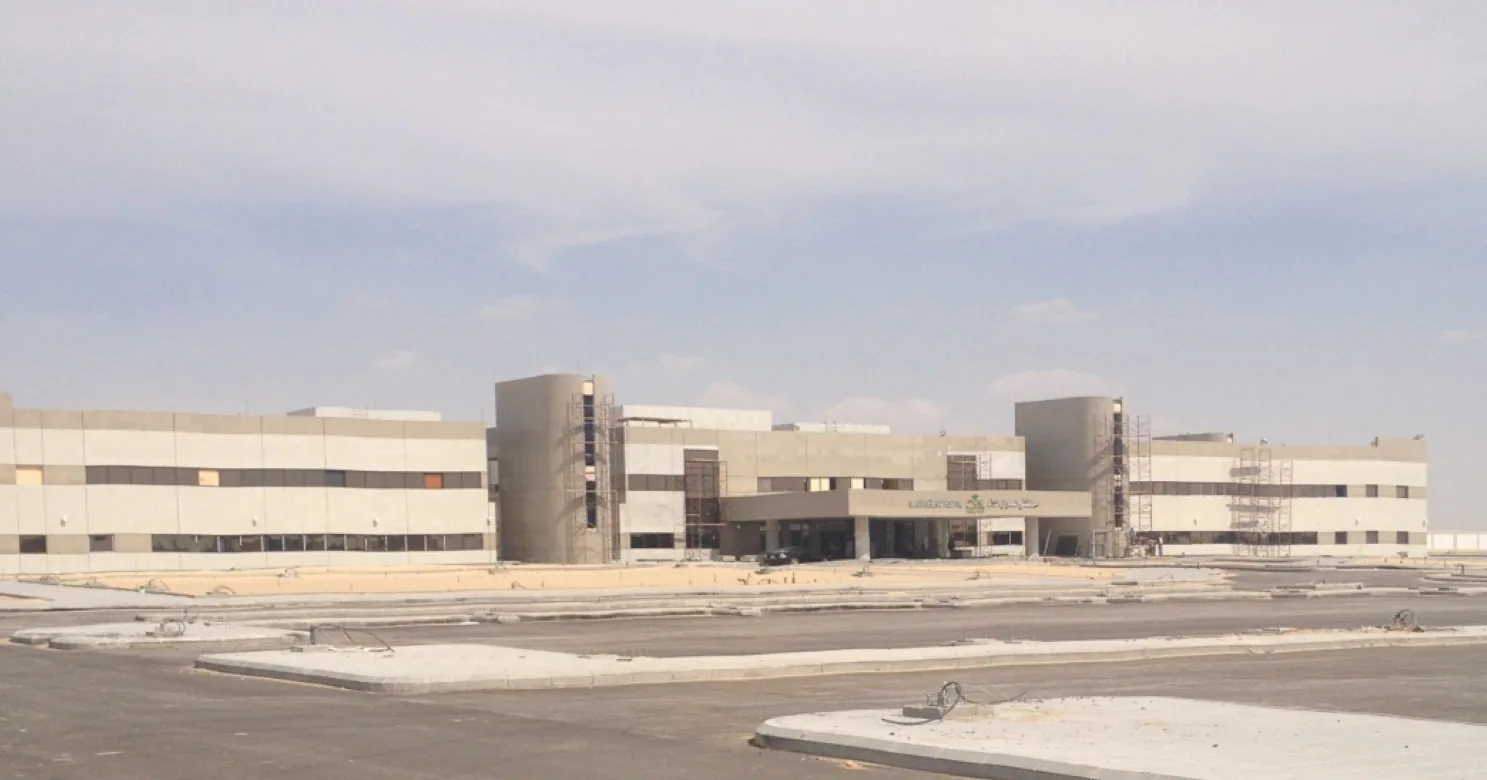
Al Ahsa
Eastern Province
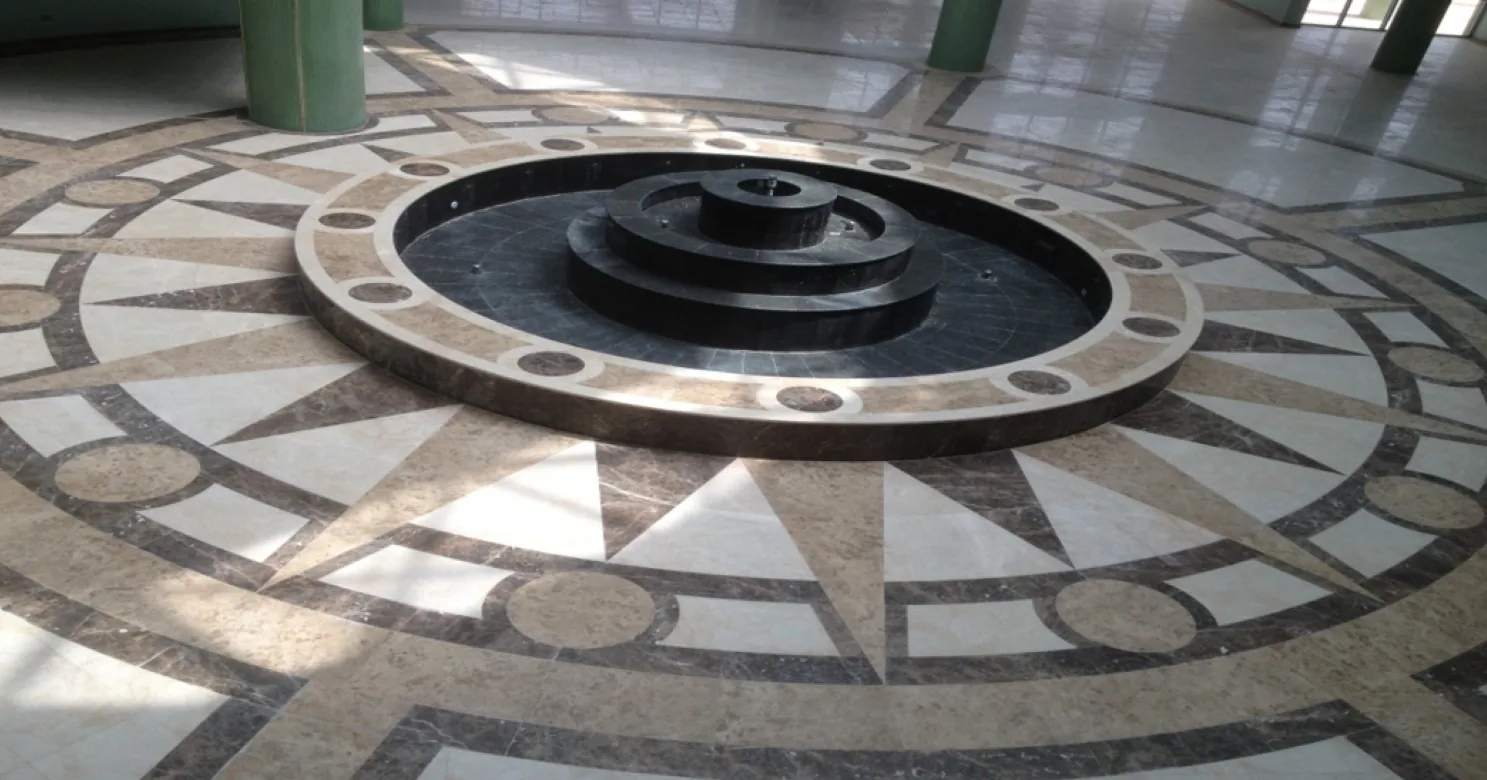
Architectural finishing for a healthcare facility.
1 project delivered
Al Kharj
Riyadh Region
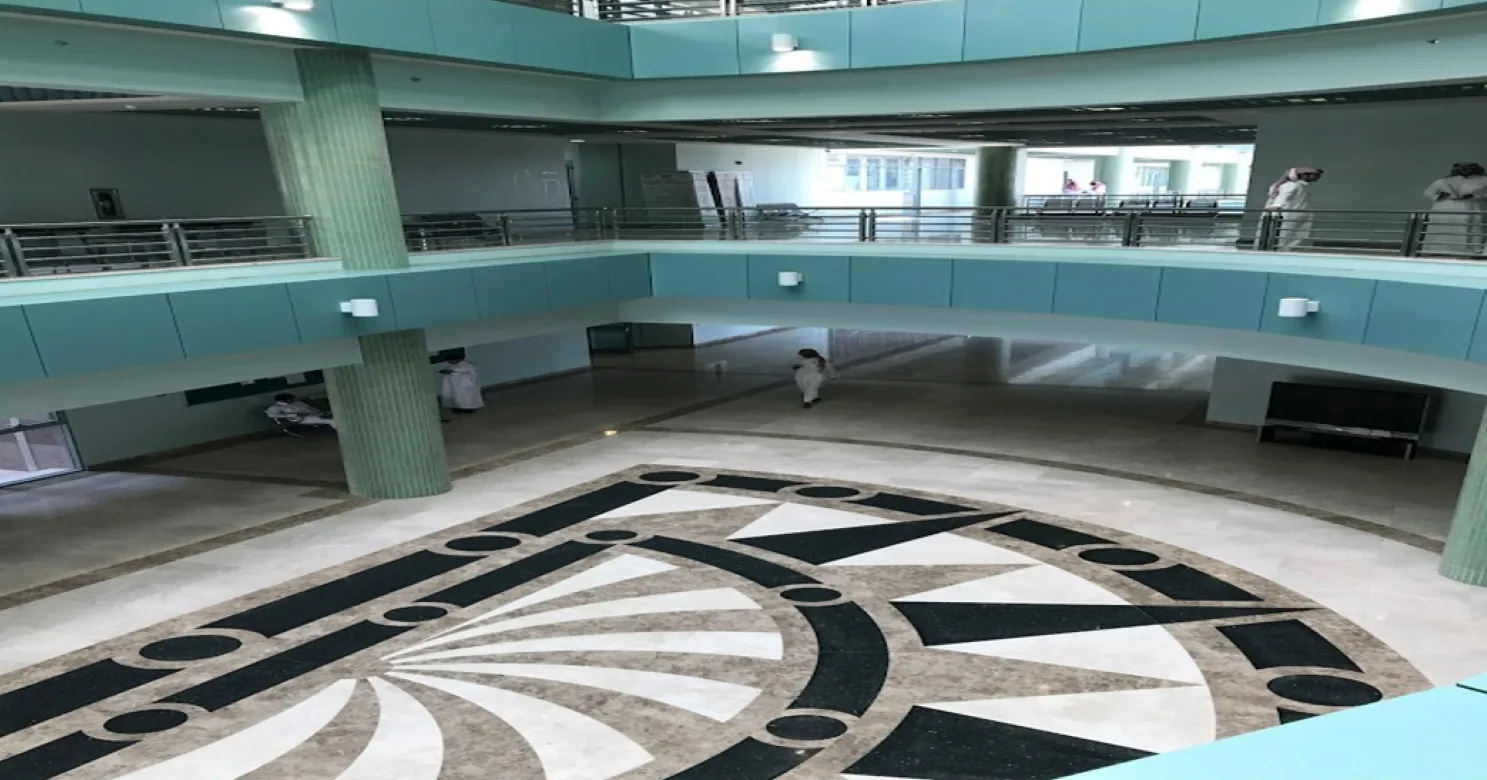
The Kingdom's dairy capital — and our largest Riyadh Region project outside the capital itself.
1 project delivered
Huraymila
Riyadh Region
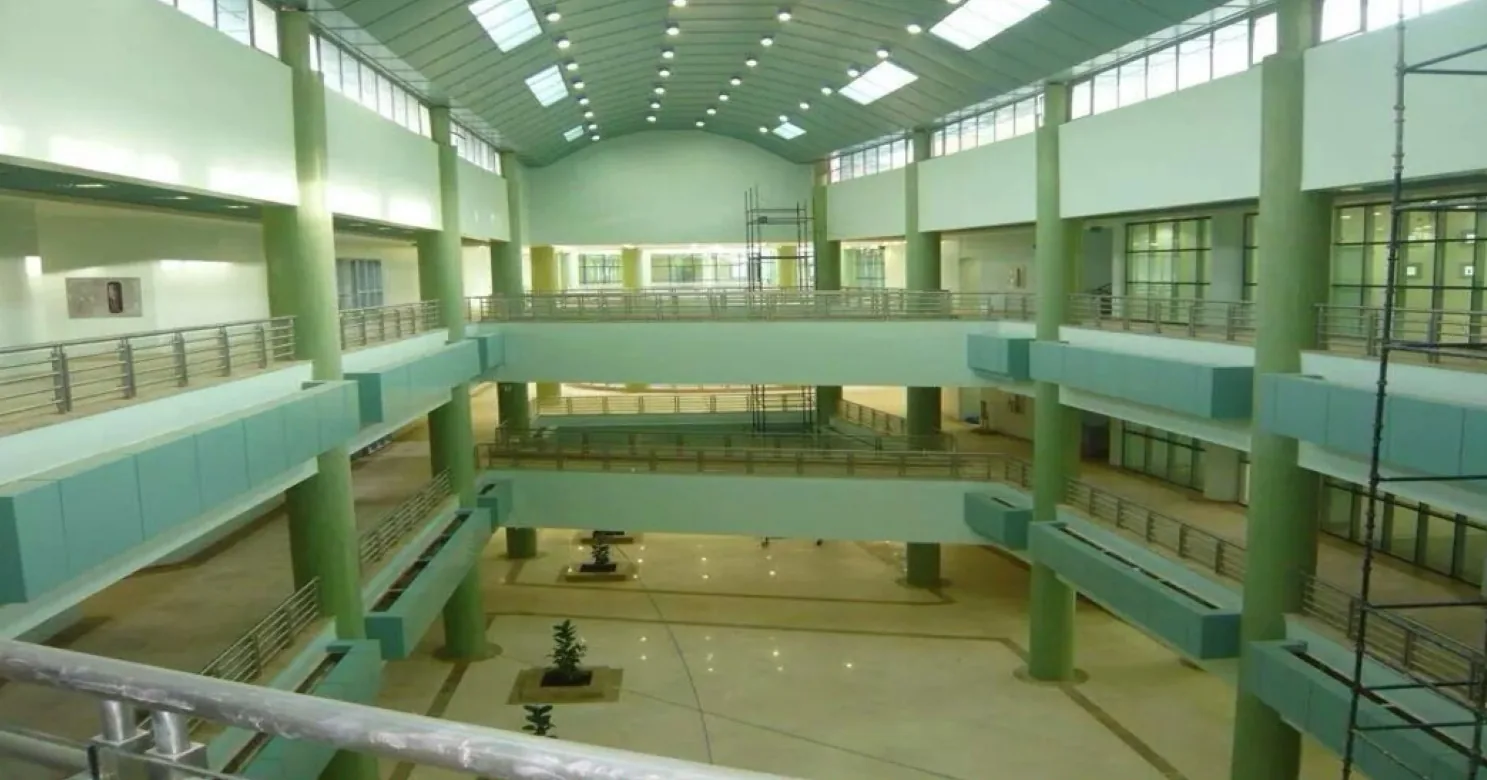
A college campus finishing scope, part of our wider Riyadh Region higher-education work.
1 project delivered
Muzahmia
Riyadh Region
A university campus finishing scope, on the Riyadh–Mecca Highway corridor west of the capital.
1 project delivered
Related projects in Architectural Finishing
GovernmentGovernmentGovernmentRelated reading
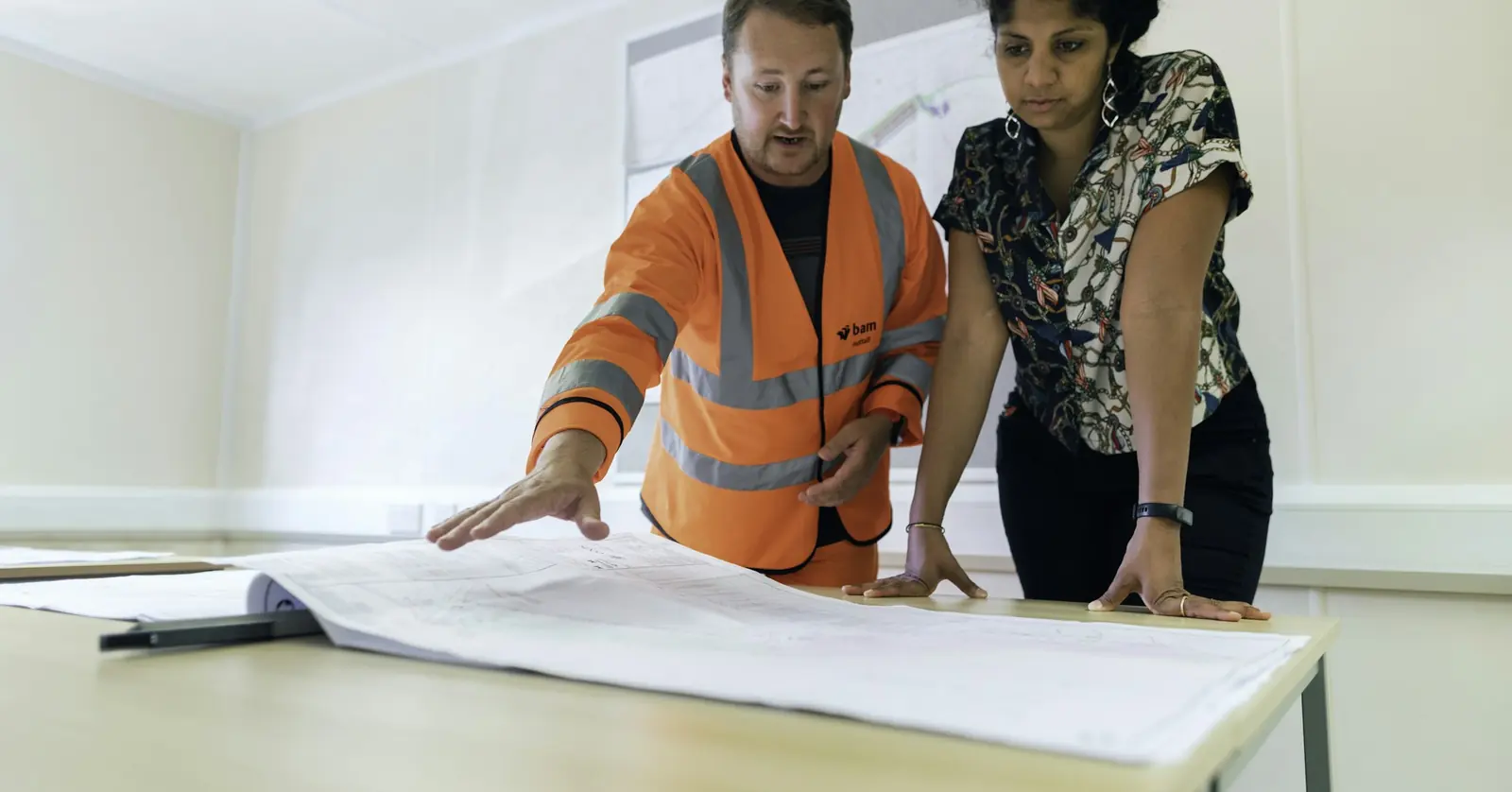
How to Choose a General Contracting & Finishing Company in Saudi Arabia
A practical guide to vetting general contracting and finishing companies in Saudi Arabia — what to check, red flags to avoid, and questions to ask first.
Read more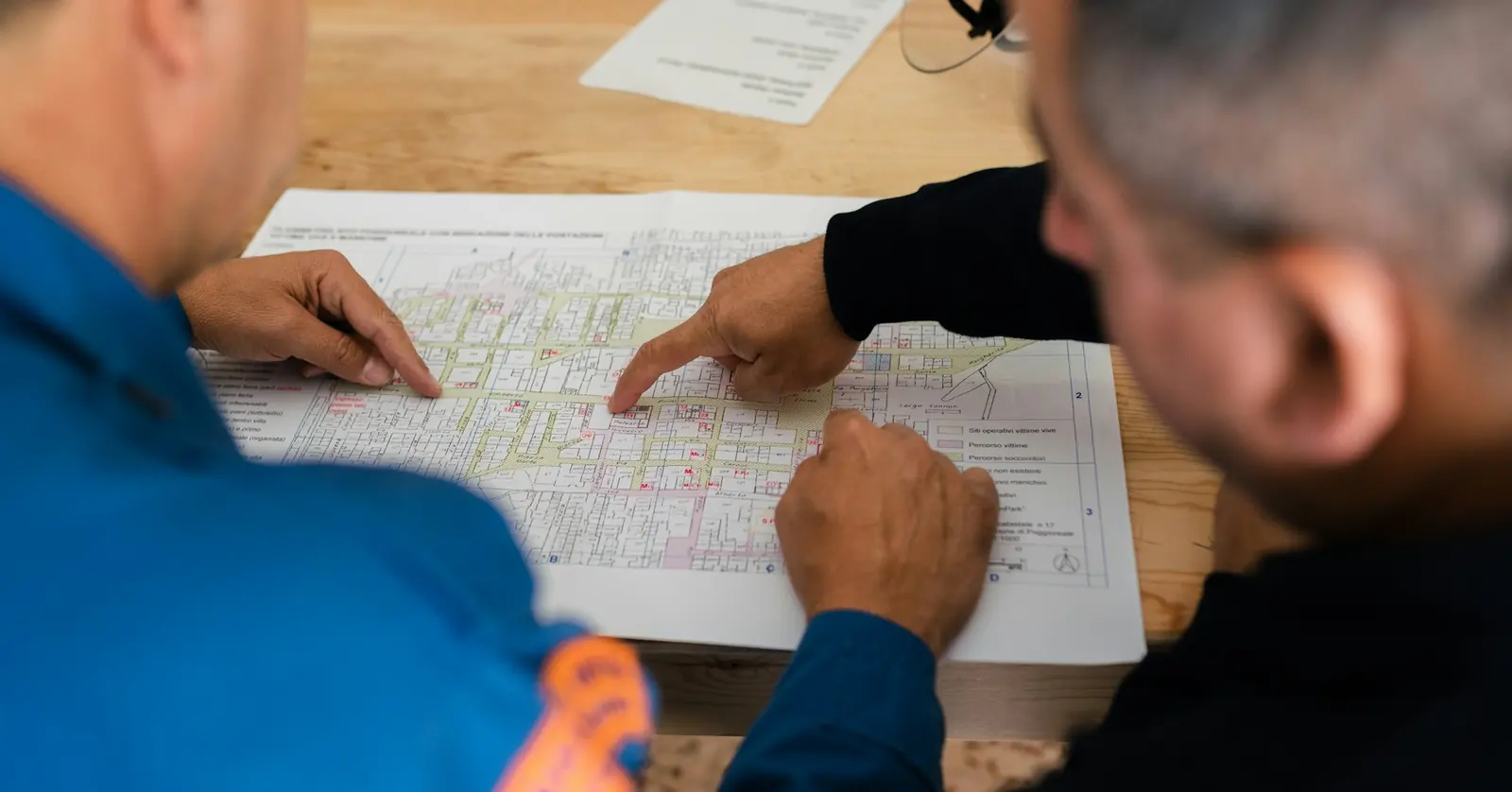
Questions to Ask Before Hiring a Finishing Contractor in KSA
A working checklist of the questions to ask any finishing contractor in Saudi Arabia before signing — on scope, programme, quality and payment.
Read moreFrequently asked
Do you handle both interior and exterior painting?
Yes — interior walls and ceilings and exterior facades, each prepared and coated in a system suited to that substrate and its exposure.
How do you prevent early peeling or fading on exterior paint?
Through surface preparation and cure time as much as the coating itself — cracks and defects are repaired before priming, and work is scheduled around temperature and wind rather than rushed to a fixed date.
Can you match an existing paint colour for touch-up or repair work?
Yes, colour-matching for patch and repair work is scoped as part of the job so repaired areas blend with the surrounding surface.
How many coats does a paint system actually need?
It depends on the system and substrate — primer plus the number of finish coats and film thickness the specification requires, applied and checked rather than judged by eye alone.
Do weather conditions affect when exterior painting can happen?
Yes — exterior work is scheduled around temperature and wind rather than a fixed calendar date, since paint applied in the wrong conditions fails early regardless of the product used.
What's the biggest reason paint fails early on a facade?
Skipped or rushed surface preparation — cracks and defects left unrepaired, or a primer coat skipped to save time, telegraph through as patchiness, peeling or fading within a year or two, far more often than the paint product itself being at fault.
Why is paint bubbling or peeling on my wall, and will repainting fix it?
Not on its own. Bubbling and peeling usually come from moisture, salts or poor preparation underneath, so the cause has to be found first. A leak, damp or salt source must be fixed, loose paint removed back to sound material, and the surface primed with a suitable system. Repainting over the fault only hides it for a short time.
What paint finish should I choose for different rooms?
Flat or matt finishes hide surface imperfections and suit ceilings and most living spaces. Satin and semi-gloss finishes are easier to wash and suit corridors, kitchens and busy areas, but they show every flaw in the wall beneath. Gloss is usually kept for trim, doors and metal. The higher the sheen, the better the preparation must be.
How can I compare painting quotes fairly?
Check that each quote covers the same things: the measured area, surface repairs, the primer and finish products by name, the number of coats, the sheen, and scaffolding or access. Quotes that look cheaper often reduce preparation or the coat count, which is where paint jobs fail.
More from Architectural Finishing
Planning a project? Let's talk finishing.
Tell us about your scope and timeline — our technical team will respond with a clear, considered proposal.