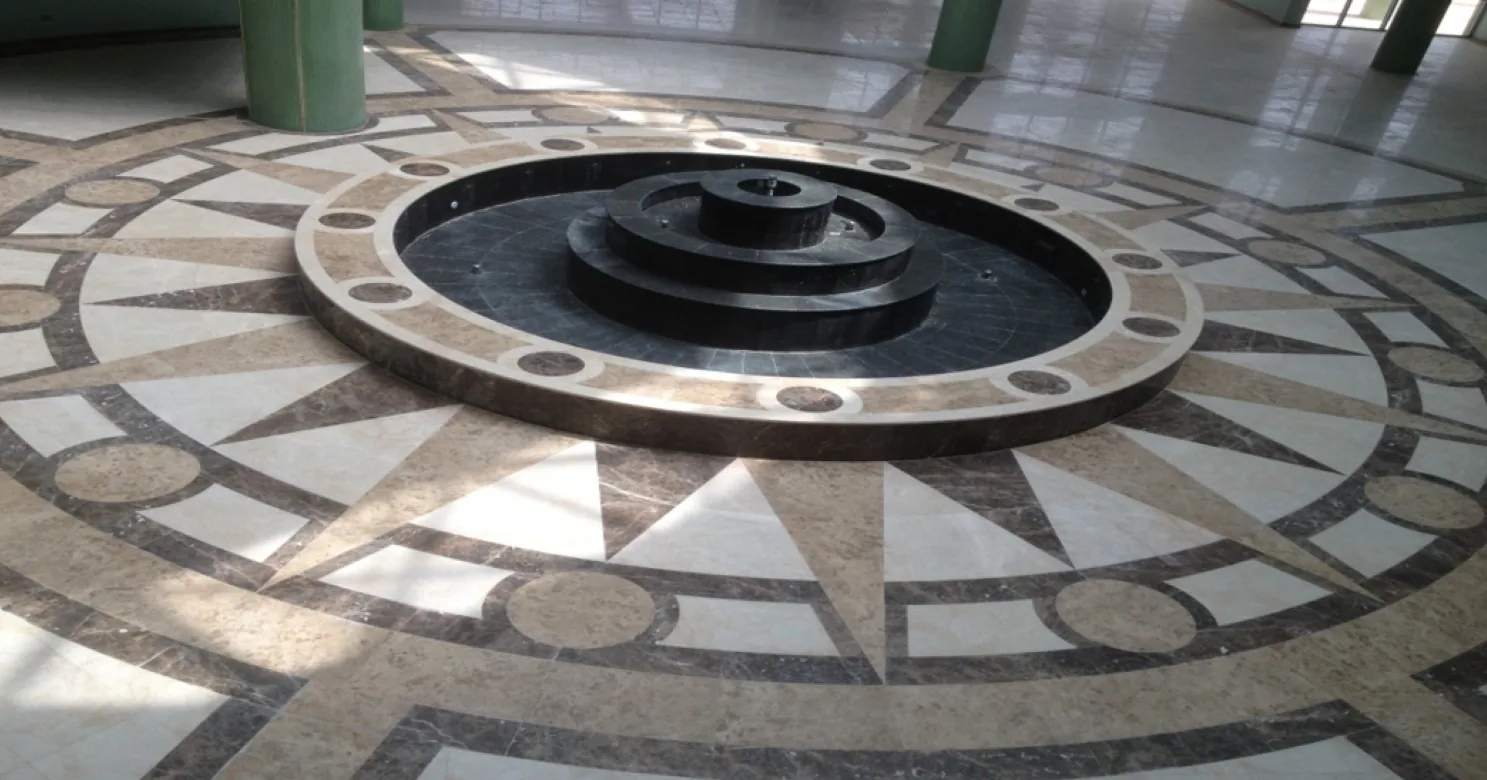
Fountain Construction Company in Saudi Arabia
Fountain construction company in Saudi Arabia: waterproofed basins, recirculation plumbing and stone or tile finishing for courtyards and compounds.
Request a QuoteA fountain is a small structure that's judged by a large standard — it sits at an entrance or in a courtyard specifically to be looked at, so any flaw shows immediately: a hairline crack that weeps water down the basin wall, efflorescence on the stone, a waterline that never quite sits level. The structure underneath a fountain has to be waterproofed with the same discipline as a pool, just at a smaller scale, because a leaking basin doesn't just waste water — it damages the paving and planting around it and turns a feature meant to draw attention into the opposite.
Fountain works follow the same underlying logic as our pool and wet-area waterproofing scope: a basin structure built to hold water under constant circulation, waterproofed and tanked before any finish goes on, with recirculation plumbing coordinated through our MEP capability rather than added as an afterthought. The basin and surrounds are finished in stone, tile or the same cladding material used elsewhere on the facade, so a fountain reads as part of the building's design rather than a separate feature bolted into the courtyard. As with every wet-critical structure we build, it's tested for leaks before it's considered complete.
Fountain works sit within the same External & Facade Works capability we've used to deliver granite and marble cladding, wash terrazzo, hardscaping and swimming pools on government, commercial and residential projects across Saudi Arabia since 2000 — the same support-engineering oversight and the same waterproofing standard we hold every wet-critical structure to, applied at fountain scale.
Fountain works are coordinated with hardscaping, since a fountain is almost always set into paving or a courtyard, and with MEP for the pump and recirculation system, so it's designed and sequenced as part of the exterior works package from the start rather than added on after the surrounding hardscape is already finished.
What's in scope
- Basin structure, waterproofing and tanking
- Recirculation plumbing and pump coordination
- Stone, tile or matched-cladding basin and surround finishing
How we deliver this
- 01
Basin structure
A basin structure is built to hold water under constant circulation, at fountain scale.
- 02
Waterproofing & tanking
The basin is waterproofed and tanked before any finish goes on — the same discipline used on pools, at a smaller scale.
- 03
Recirculation plumbing
Recirculation plumbing is coordinated through our MEP capability rather than added as an afterthought.
- 04
Basin & surrounds finishing
The basin and surrounds are finished in stone, tile or the same cladding material used elsewhere on the facade.
- 05
Hardscape coordination
Fountain works are coordinated with hardscaping, since a fountain is almost always set into paving or a courtyard.
- 06
Leak testing
It's run and tested for leaks before it's considered complete, the same standard applied to every wet-critical structure.
Fountain types and what each one demands
The basin changes with the effect, and each effect puts a different demand on the structure and the finishes.
| Type | How it behaves | What it means for the build |
|---|---|---|
| Reflecting pool | Still, shallow water where the surface is the feature | Edge levels are on show, so basin edges must be set truly level. Stains, debris and finish colour show in the mirror surface. |
| Jets and sprays | Water thrown into the air | Wind carries spray outside the basin, wetting paving and losing water, so basin size and any wind control must suit the site. Mineral scale can mark nearby stone. |
| Cascades and wall features | Water sheets over a lip or down a face | The lip must be dead level for an even sheet, the receiving basin must catch splash, and the wall behind needs its own waterproofing. |
| Tiered fountains | Water falls from one basin to the next | Each tier is a small basin with its own joints, outlets and seals, and the structure below carries the weight of the water as well as the stone. |
A small tank with many penetrations
A fountain basin is a water-retaining tank, and its weak points are the penetrations: supply and return pipes, nozzles, drain, overflow, lights and level sensors. Relative to its size, a basin can have as many penetrations as a pool, and each is a route for a leak if its sleeve, flange or seal is poorly formed. The waterproofing therefore has to be continuous over the floor, walls and upstands and sealed around every penetration; see Types of Waterproofing Systems for Wet Areas and waterproofing for how systems differ. Stone, tile and adhesive must be suited to permanent immersion, so ask the supplier to confirm it. A finish that performs well on a dry facade may fail underwater.
Plant, access and maintenance
The visible basin is the smaller part of the job. The pump, strainer, valves and controls need a home, either a dry chamber beside the basin or submersible units inside it, and they need to be reachable without breaking finished stone. Settle these before the basin is built:
- Where the pump sits and how it is reached, with an access cover sized for pump removal.
- A low-point drain and an overflow route that carries surplus water to a safe discharge, not across the paving.
- Water top-up and level control, so evaporation does not leave the pump running dry.
- Electrical protection and cable routes for pumps and lights, agreed with electrical before the basin is finished.
- Pipe routes and isolating valves, agreed with plumbing and recorded on the as-built drawings.
Because a fountain is usually set into paving, its levels and edge details are set out together with hardscaping, not after it.
Water loss, scale and algae in service
Fountains lose water in hot, dry and windy conditions. Evaporation and spray drift are normal losses, so a dropping level is not automatically a leak. Hard water leaves scale on nozzles and stone, and warm, sunlit water grows algae if it is not circulated and treated. The water source also affects scale, staining and upkeep, so agree it with the designer at the start. Owners should expect to clean, treat and service the system regularly, and the contractor should hand over guidance on how. Choose stone and finishes that tolerate the local water, and ask the supplier which cleaning products are safe for them.
Testing before finishing and before handover
- Flood-test the basin after waterproofing and before stone or tile goes on, for the period the consultant's specification sets, with the starting level marked and any loss recorded.
- Repair anything found and test again; a basin that has not held water is not covered over.
- After finishing, fill again and run the pumps. Check flow, jet or sheet pattern, water level, splash containment, noise and lighting.
- Confirm that the overflow, drain and top-up work as designed.
- Hand over pump and control manuals, as-built pipe routes and the finish manufacturer's cleaning guidance.
In a BOQ, ask for the basin structure, waterproofing, finishes, plant and controls to be priced as separate items, and name who commissions and tests the system.
What's handled by another capability
- Surrounding paving and courtyard hardscaping — see Hardscaping & Landscape Works
- Swimming pool structures — see Swimming Pools
- Electrical supply to the pump — see MEP Works
Materials & systems
- Waterproofing & tanking membrane systems
- Recirculation pump & plumbing systems
- Stone & tile basin-finish systems
Where we deliver this
 Head office
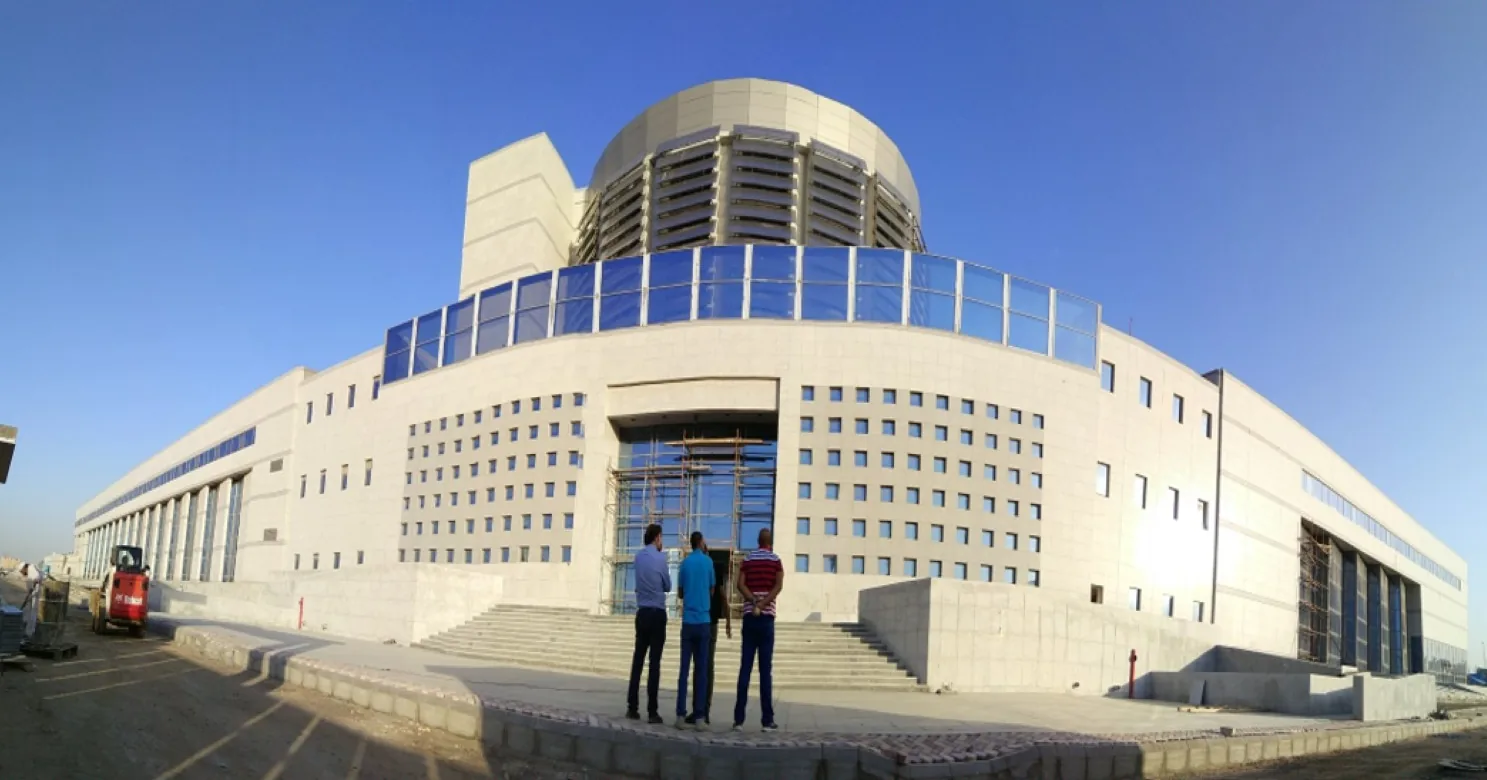
Jeddah
Makkah Region
Ashlaar's head office, and the largest share of our project record.
7 projects delivered
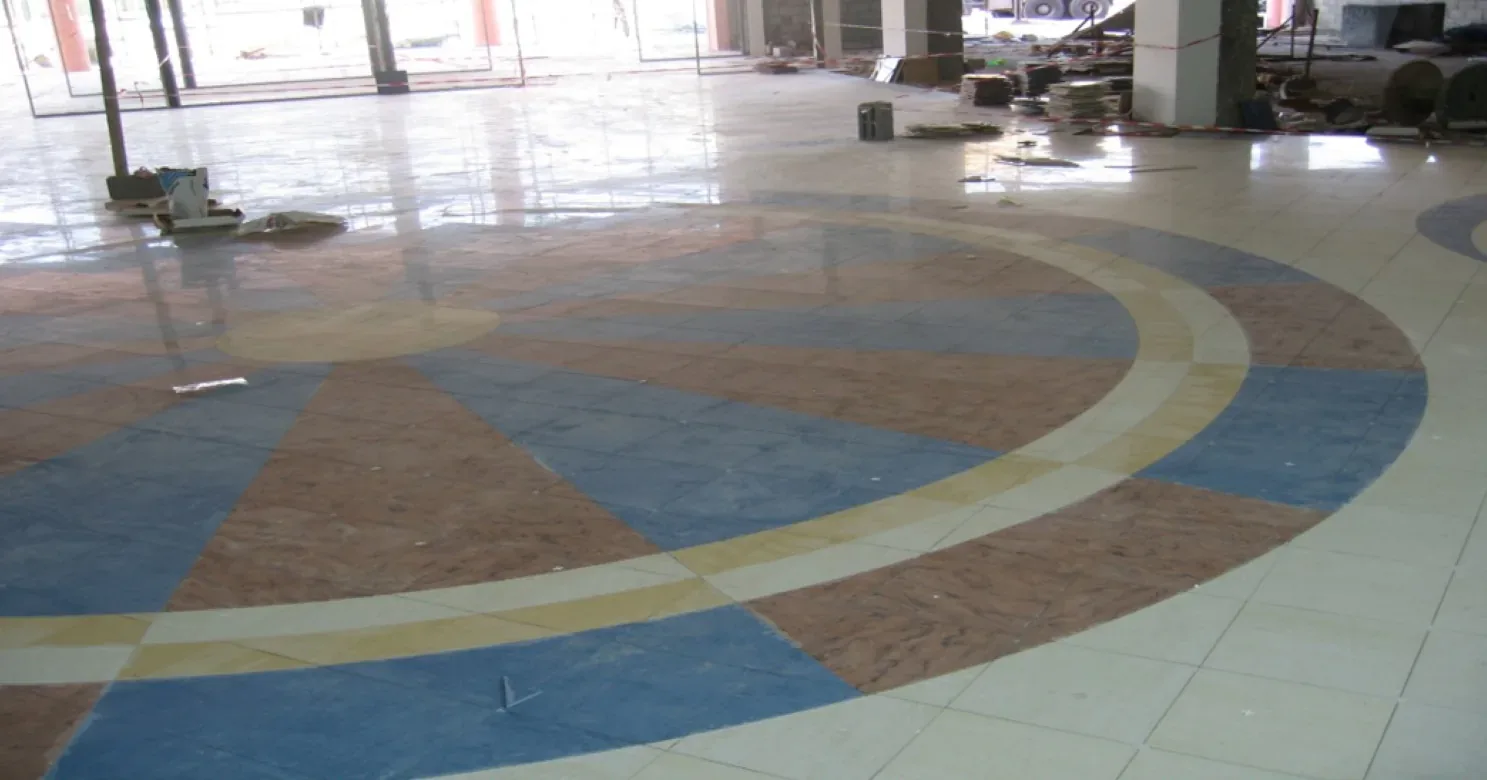
Riyadh
Riyadh Region
Our largest project base outside Jeddah.
6 projects delivered
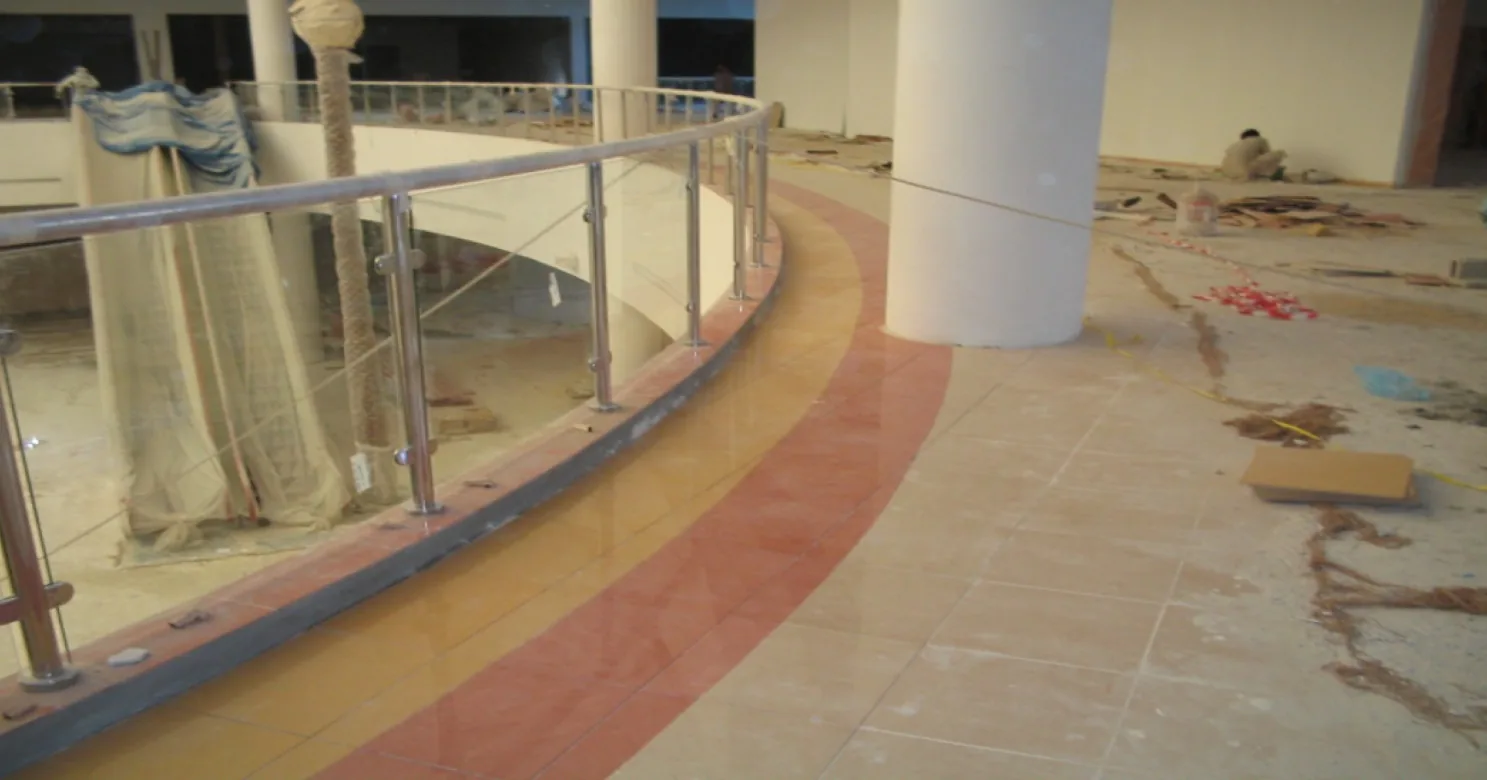
Dammam
Eastern Province
Interior finishing and flooring for a retail development.
1 project delivered

Al Ahsa
Eastern Province
Architectural finishing for a healthcare facility.
1 project delivered
Al Kharj
Riyadh Region
The Kingdom's dairy capital — and our largest Riyadh Region project outside the capital itself.
1 project delivered
Huraymila
Riyadh Region
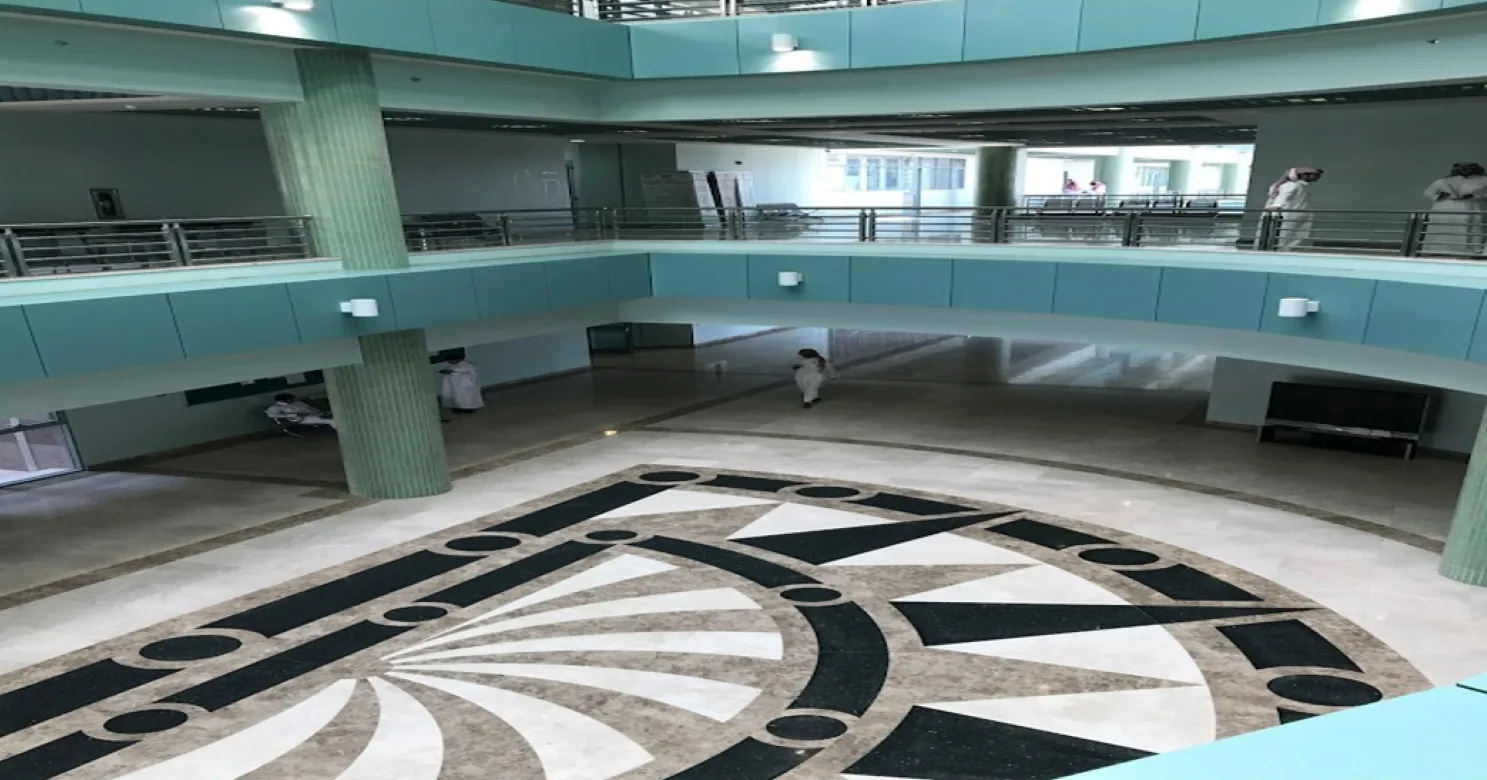
A college campus finishing scope, part of our wider Riyadh Region higher-education work.
1 project delivered
Muzahmia
Riyadh Region
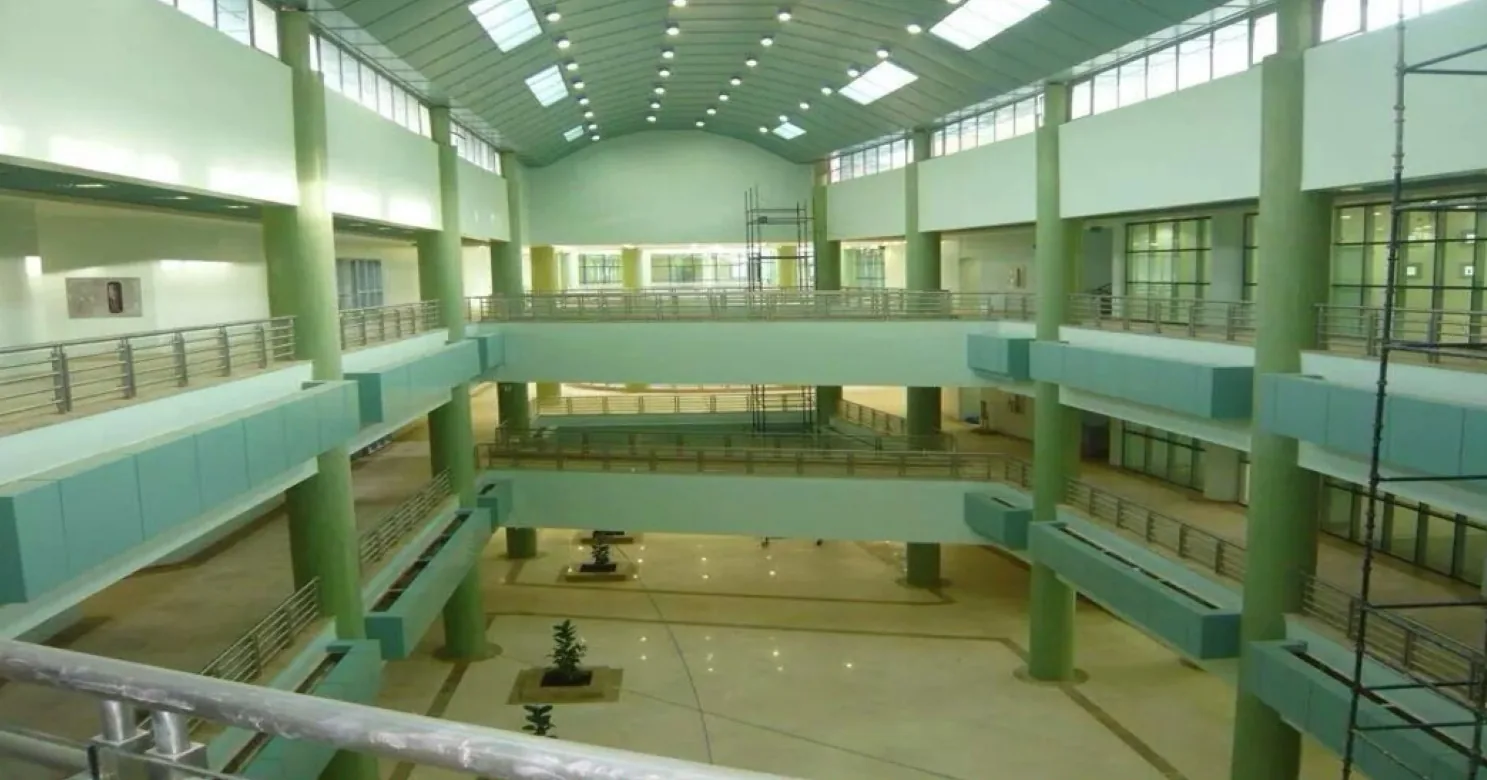
A university campus finishing scope, on the Riyadh–Mecca Highway corridor west of the capital.
1 project delivered
Projects that evidence this trade
GovernmentRelated reading
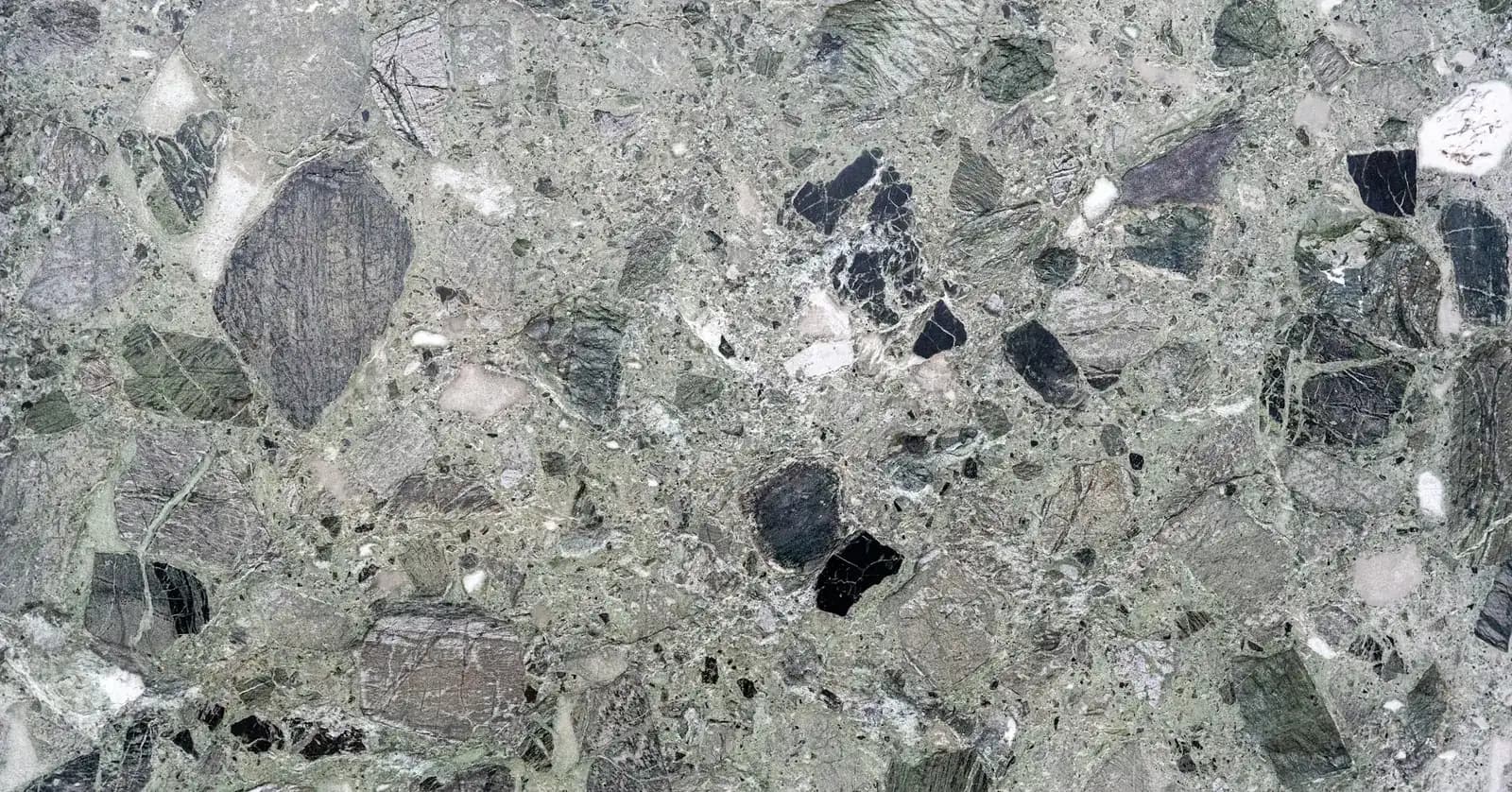
Terrazzo vs Granite Cladding: Which Is Right for Your Facade?
Granite cladding and wash terrazzo compared honestly — cost, durability, design flexibility and maintenance — so you can match the material to the facade.
Read more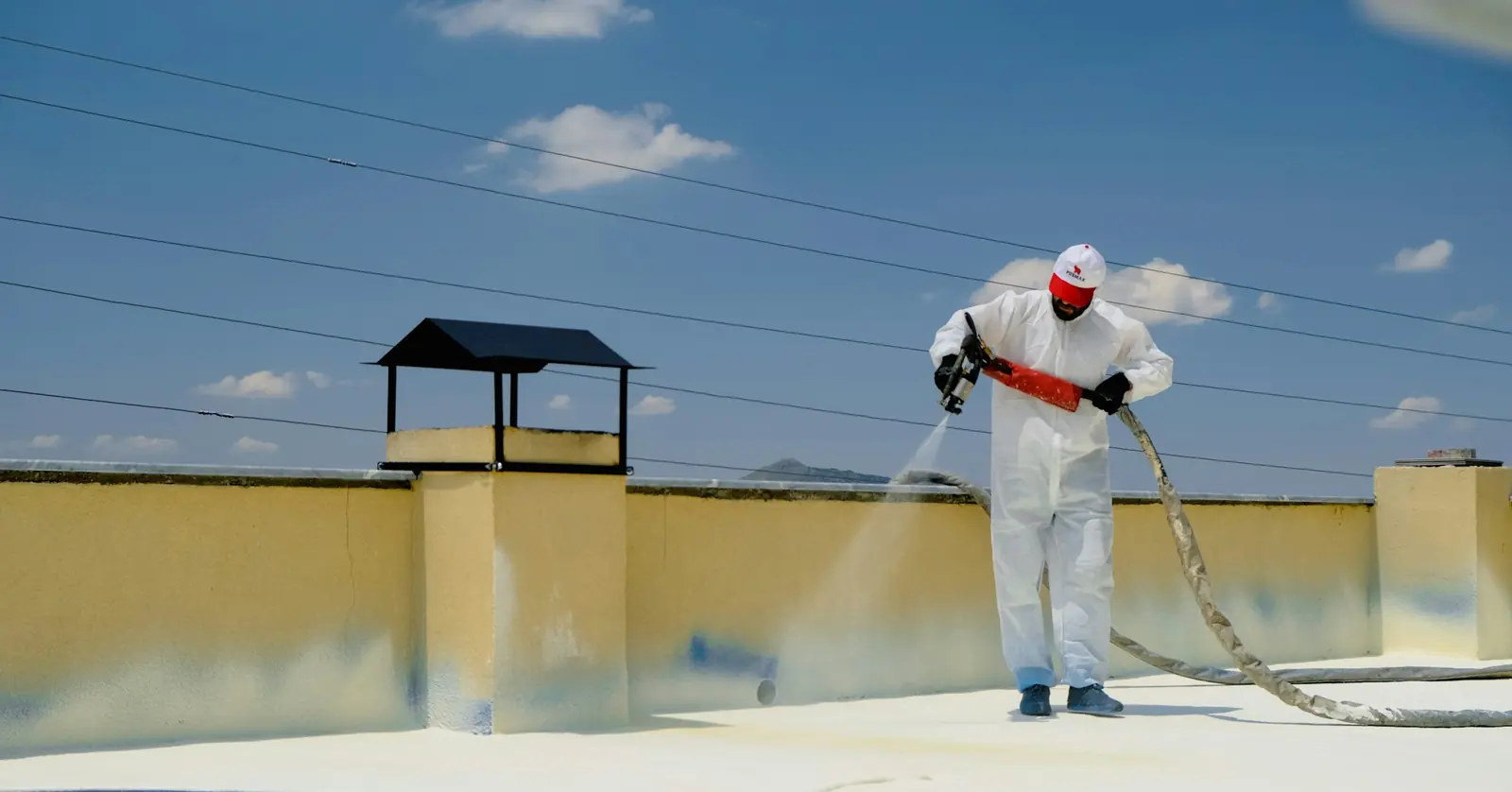
Types of Waterproofing Systems for Wet Areas
A practical comparison of cementitious, liquid-membrane, sheet and crystalline waterproofing systems, and where each genuinely belongs on a project.
Read moreFrequently asked
Is a fountain waterproofed the same way as a pool?
The same discipline, at a smaller scale — the basin is waterproofed and tanked before any finish goes on and tested for leaks before handover, the same standard we apply to any structure built to hold water.
Do you install the fountain's pump and recirculation system?
It's coordinated through our MEP capability as part of the same project, so the fountain and its plant are delivered together rather than handed off between separate contractors.
Can a fountain be added to an existing courtyard or hardscape project?
Yes, though it's more straightforward when planned in from the start — retrofitting a basin into finished paving means reworking the hardscape around it, which our technical team will scope honestly as part of the quote.
Why does a fountain need the same waterproofing discipline as a pool?
Because a leaking basin doesn't just waste water — it damages the paving and planting around it, so the same tanking-and-testing standard applies regardless of the basin's size.
What finish goes on a fountain's basin and surrounds?
Stone, tile or the same cladding material used elsewhere on the facade, so the fountain reads as part of the building's design rather than a separate feature.
Is a fountain tested before handover?
Yes — as with every wet-critical structure we build, it's run and checked for leaks before it's considered complete, not signed off on the assumption the waterproofing held.
Why does the water in a fountain turn green or cloudy?
Warm, sunlit water grows algae, especially if it sits without circulation. Cloudiness can also come from dust, dissolved minerals or a filter that is too small or dirty. The designer should size the plant for the water volume, it should run on a schedule that suits the design, and it should be cleaned and treated regularly; ask for maintenance guidance at handover.
Can a fountain run all day, or should it be on a timer?
That depends on the design and the pump. Running continuously uses more water and power, wears the equipment and, on windy days, throws more spray onto the surrounding paving. Many fountains are put on a timer, and taller jets may be paired with a wind sensor. Agree the operating pattern with the designer and have it built into the controls rather than left to manual switching.
Can natural stone be used inside a fountain basin?
Often yes, but not every stone suits permanent immersion. Some stones stain, rust or etch in contact with treated or mineral-rich water, and porous stone can hold moisture and salts. Ask the supplier for written confirmation that the stone, its adhesive and any sealer suit immersion, and where the water source is unusual, test a sample in it.

Planning a project? Let's talk finishing.
Tell us about your scope and timeline — our technical team will respond with a clear, considered proposal.