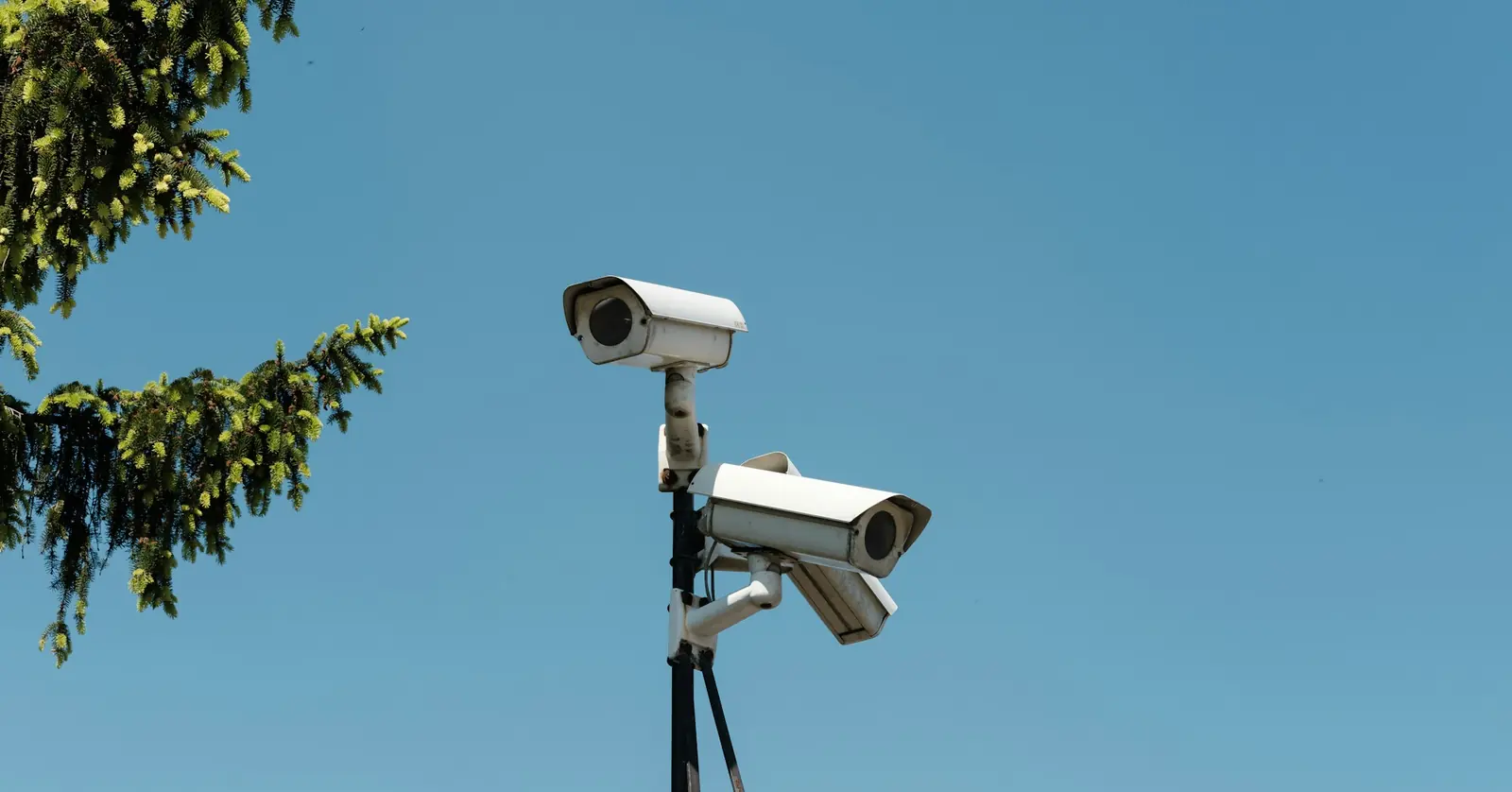
CCTV & Security System Installation in Jeddah
CCTV installation company in Jeddah: security camera systems installed within a coordinated MEP scope, with containment and cabling planned before walls close.
Request a QuoteA CCTV system installed after the rest of a building is finished almost always looks like it — cable run exposed along a wall that was never meant to carry it, a camera bracket drilled into a facade panel it should have been coordinated around, containment fighting for the same ceiling void as everything else. Security systems work best, and look correct, when they're planned into a building alongside the rest of the low-current scope, not bolted on once the finishes are already closed. Coverage gaps are just as costly as poor cabling — a camera angled to satisfy where conduit could reach, rather than where an entrance, a boundary or a parking area actually needs to be seen, defeats the purpose of the system before it's even switched on.
Our CCTV and security scope covers camera and containment planning against the building layout, first-fix cabling routed through the same containment as networking and low-current systems, and final camera positioning and connection. Cable routes are agreed and roughed in while ceilings and walls are still open, so cameras land where coverage actually needs them rather than where a surface conduit can reach after the fact. Recording and storage equipment is positioned somewhere secure and accessible for maintenance, not wherever happened to have a free socket during first-fix.
CCTV is part of the MEP capability we run alongside electrical, plumbing and networking on every project — coordinated as one scope rather than a separate contractor arriving after finishing works are complete. We don't have a single flagship CCTV installation to point to the way we can with waterproofing or facade work; it's delivered as standard, coordinated scope rather than a specialism we market on its own. What we can say honestly is that it's held to the same coordination standard as the rest of our MEP scope, on every project type we take on, rather than treated as an optional extra bolted on at the client's request.
Camera and security containment on an Ashlaar project is planned alongside electrical and networking first-fix, using the same ceiling and wall openings rather than a second round of chasing after the finishes are already in — the difference between a security system that looks designed-in and one that looks added on.
What's in scope
- Camera and containment planning against the building layout
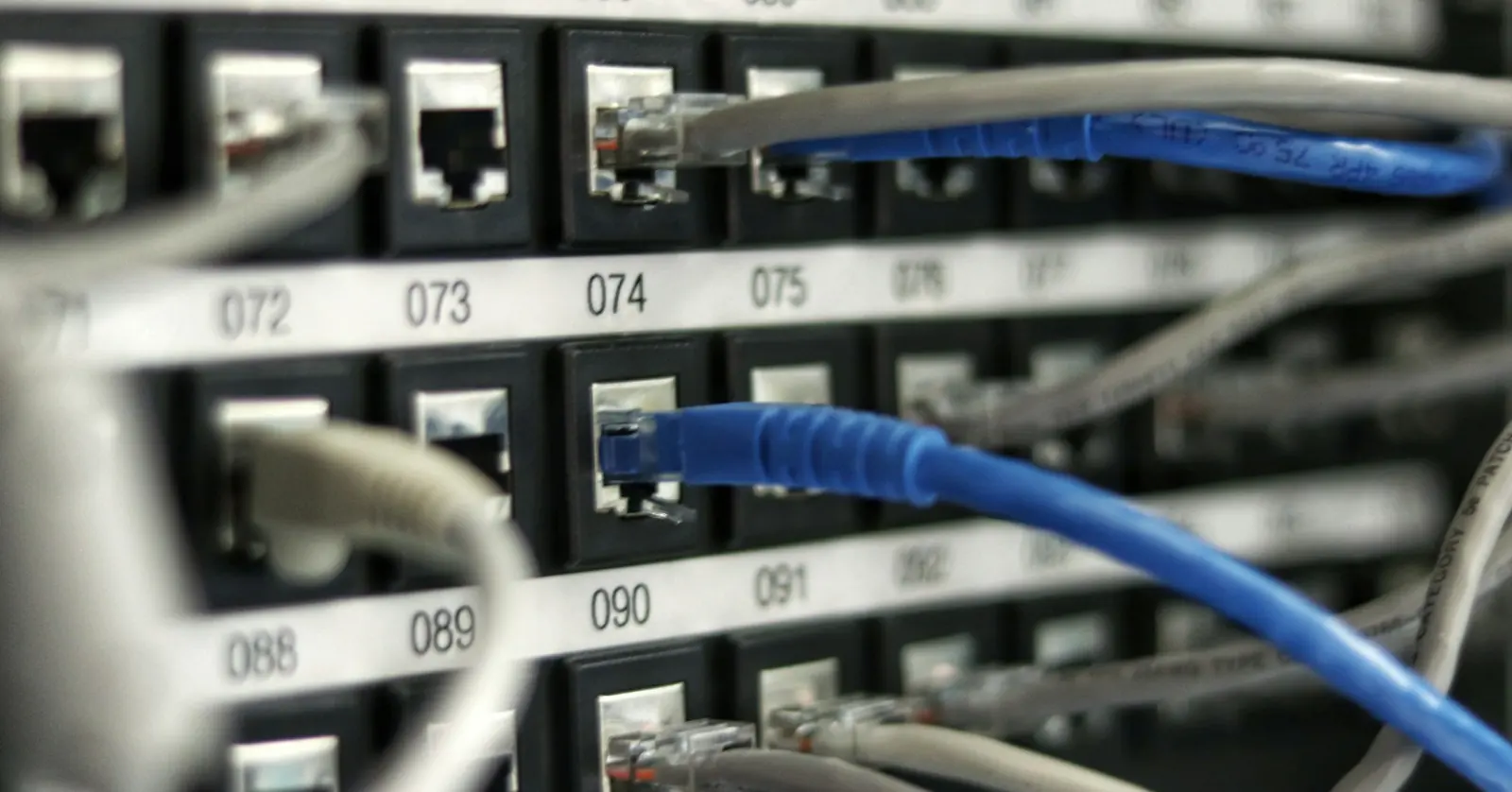
- First-fix cabling routed with networking and low-current systems
- Camera positioning, connection and recording-equipment placement
How we deliver this
- 01
Coverage planning
Camera and containment positions are planned against the building layout and the client's actual coverage need.
- 02
First-fix cabling
Cabling is routed through the same containment as networking and low-current systems while ceilings and walls are open.
- 03
Route agreement
Cable routes are agreed and roughed in before walls close, so cameras land where coverage actually needs them.
- 04
Camera positioning & connection
Final camera positioning and connection is carried out once containment and cabling are complete.
- 05
Recording equipment placement
Recording and storage equipment is positioned somewhere secure and accessible for maintenance.
- 06
MEP coordination
CCTV containment is planned alongside electrical and networking first-fix, sharing openings rather than a second chasing round later.
How a CCTV package is scoped
A CCTV package should start from what the owner needs to see, not from a camera count. Three levels of detail are commonly distinguished: detecting that someone is present, recognising who or what they are, and identifying them well enough for the footage to serve as a record. A camera that suits the first may be no use for the third, and the difference comes from lens, resolution, distance and lighting. Fix these items in the bill of quantities.
- A camera schedule giving every camera a location and a purpose
- Cabling, containment and outlets to each camera position
- Network switches, and how the cameras are powered
- Recorders, storage size and how long recordings must be kept, as set by the owner's policy or any authority requirement
- The viewing position and any remote viewing
- Power protection for recorders and network equipment
Some building types may be subject to authority requirements for security systems, such as required coverage areas or recording retention. Ask the consultant which apply to yours. Where CCTV sits inside a wider MEP package, the same scope table should cover its power, containment and data.
Camera positions against ceiling, lighting and facade layouts
Camera positions drawn on a plan often collide with what the finishing trades install. Check them against the reflected ceiling plan (see Ceiling Systems (All Types)), the lighting layout and the elevation drawings before first-fix, while cable routes can still change.
| Camera type | Typical location | What to coordinate |
|---|---|---|
| Fixed dome | Ceilings in lobbies, corridors and lifts | Position within the ceiling grid or gypsum layout; clearance from light fittings, air diffusers and sprinklers; access for cleaning and adjustment |
| Bullet | Walls and eaves at entrances and perimeters | Bracket fixing into the facade without drilling finished stone; a cable entry that keeps water out; exposure to sun and weather |
| Pan-tilt-zoom | Open areas, car parks and large halls | Firm mounting; safe access for maintenance; a moving view that must not sweep neighbouring private areas |
| Panoramic or fisheye | Central ceiling positions in open rooms | Ceiling height and a clear line of view, with no columns or hanging signs in the way |
Lighting decides image quality as much as the camera does. Avoid pointing a lens into bright glazing or direct sun, and remember that infrared night lighting reflects off glass and nearby surfaces. In a Saudi summer, check each camera's rated operating temperature against the heat trapped in a housing in direct sun. On the facade, a bracket fixed into cladding should be agreed with the cladding installer, not left as an afterthought; see Granite & Marble Cladding.
Cabling, power and the recorder room
Each type of network cable can only run so far before the signal degrades, so long perimeter or car-park runs may need fibre or an intermediate cabinet. Keep camera cable apart from power cable, share pathways with Networking & Low-Current Systems deliberately, and protect outdoor runs from surge and water. Where cameras are powered over the network cable, the switch's total power capacity must cover them. Check the recorder room against this list.
- A secure room or lockable cabinet with restricted access
- Ventilation or cooling and dust control, since recorders and switches give off heat, which matters in hot climates
- A protected power supply so a short outage does not stop or corrupt recording
- Storage sized for the number of cameras, the resolution and the retention period
- The CCTV network kept separate from the general office or home network, with default passwords changed and remote access controlled
Commissioning and handover
A system that records is not necessarily a system that covers what was intended. Before handover, ask for the following, and see Electrical Works for how the power supply side is normally handled.
- A live-view check of every camera, in daylight and at night, against the camera schedule
- A saved snapshot from each camera showing its target area, agreed with the owner
- Playback of recorded footage to confirm quality, time stamps and search
- As-built plans with every camera numbered and cable labels matching at both ends
- Administrator credentials handed to the owner, a saved configuration backup and equipment manuals
- A short briefing for whoever will view, export and manage recordings
What's handled by another capability
- Camera and recorder equipment specification — confirmed with the client against project requirements
- Structured cabling backbone — see Networking & Low-Current Systems
- Electrical power supply — see Electrical Works
Materials & systems
- Structured containment & conduit for camera cabling
- Low-current cabling shared with networking systems
Where we deliver this
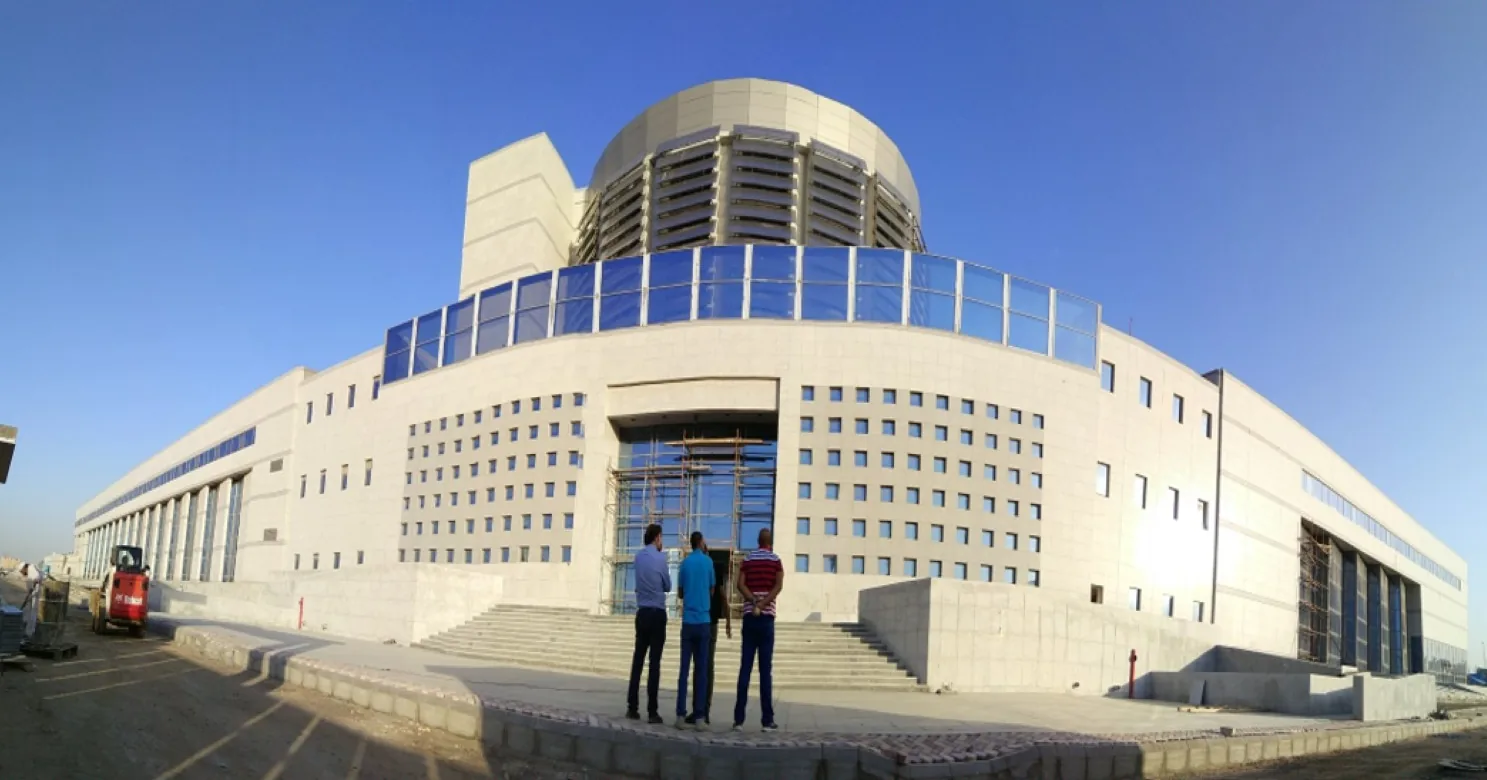 Head office
Jeddah
Makkah Region
Ashlaar's head office, and the largest share of our project record.
7 projects delivered
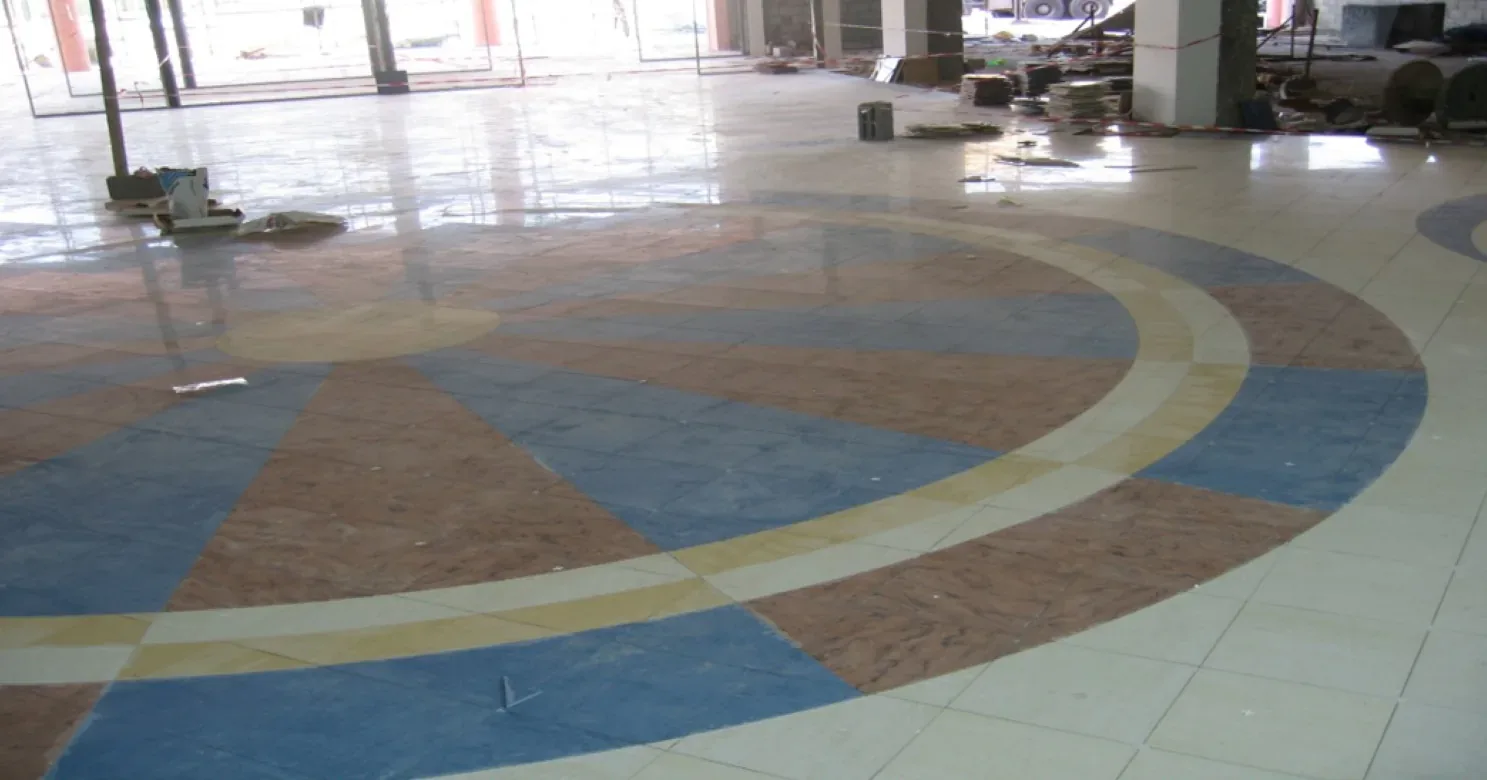
Riyadh
Riyadh Region
Our largest project base outside Jeddah.
6 projects delivered
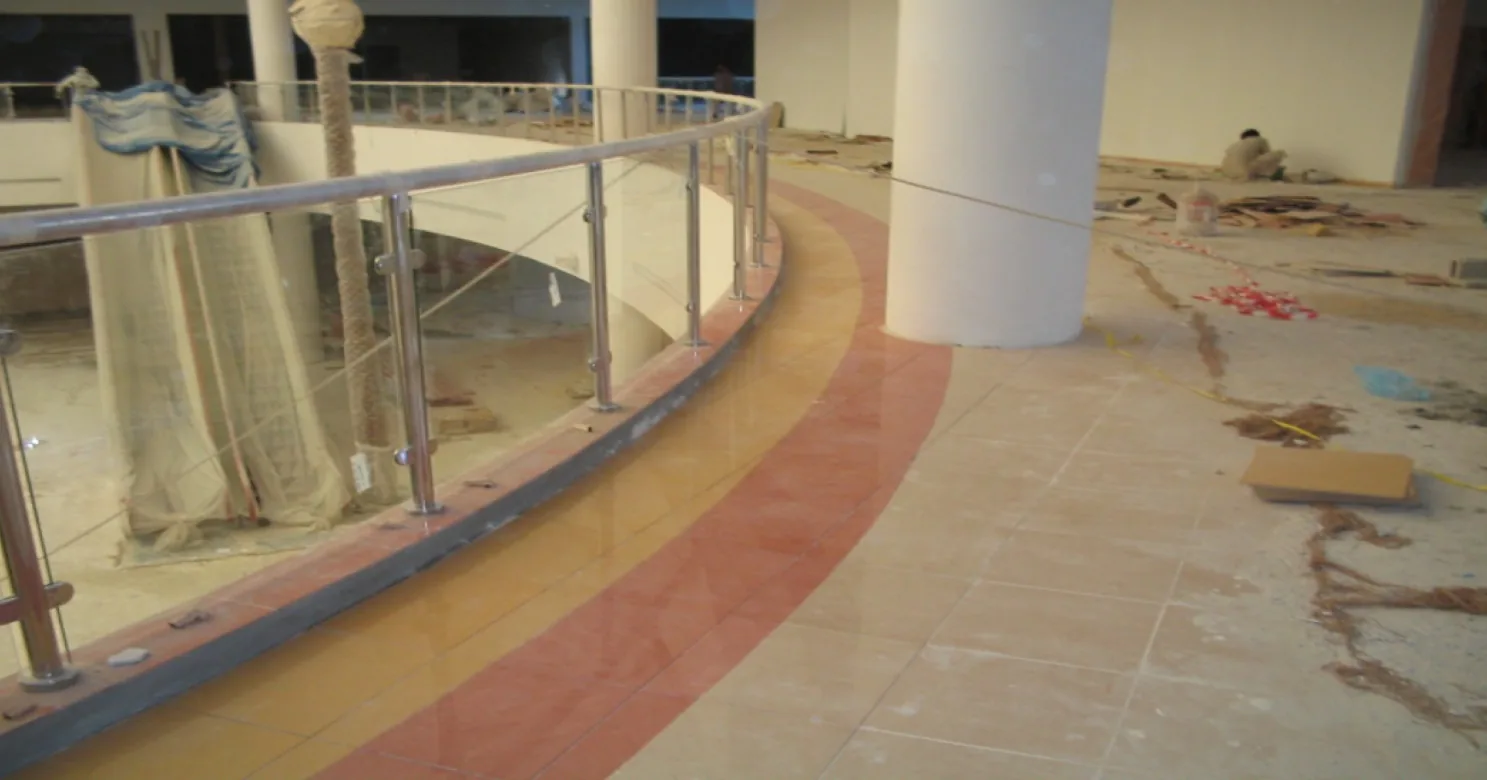
Dammam
Eastern Province
Interior finishing and flooring for a retail development.
1 project delivered
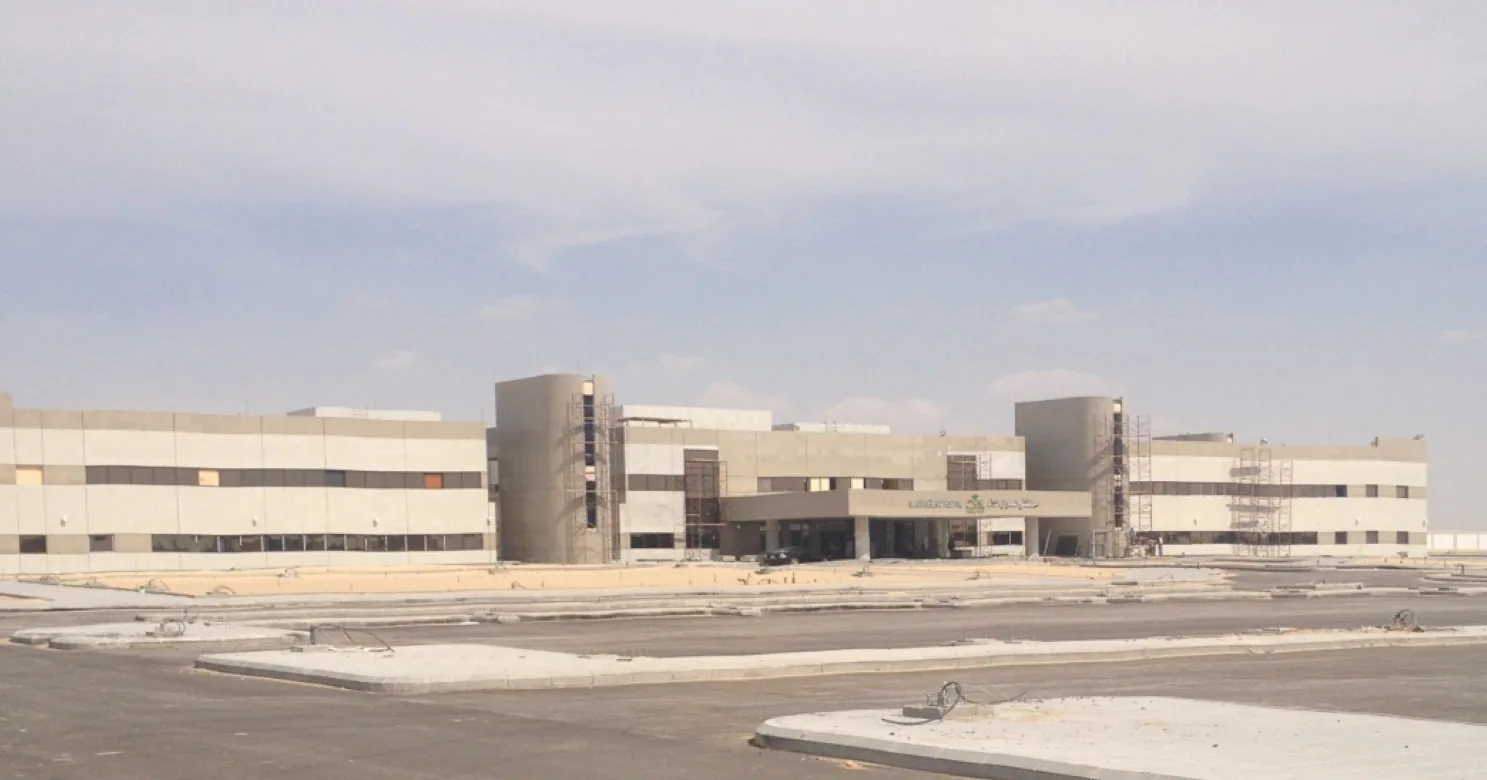
Al Ahsa
Eastern Province
Architectural finishing for a healthcare facility.
1 project delivered
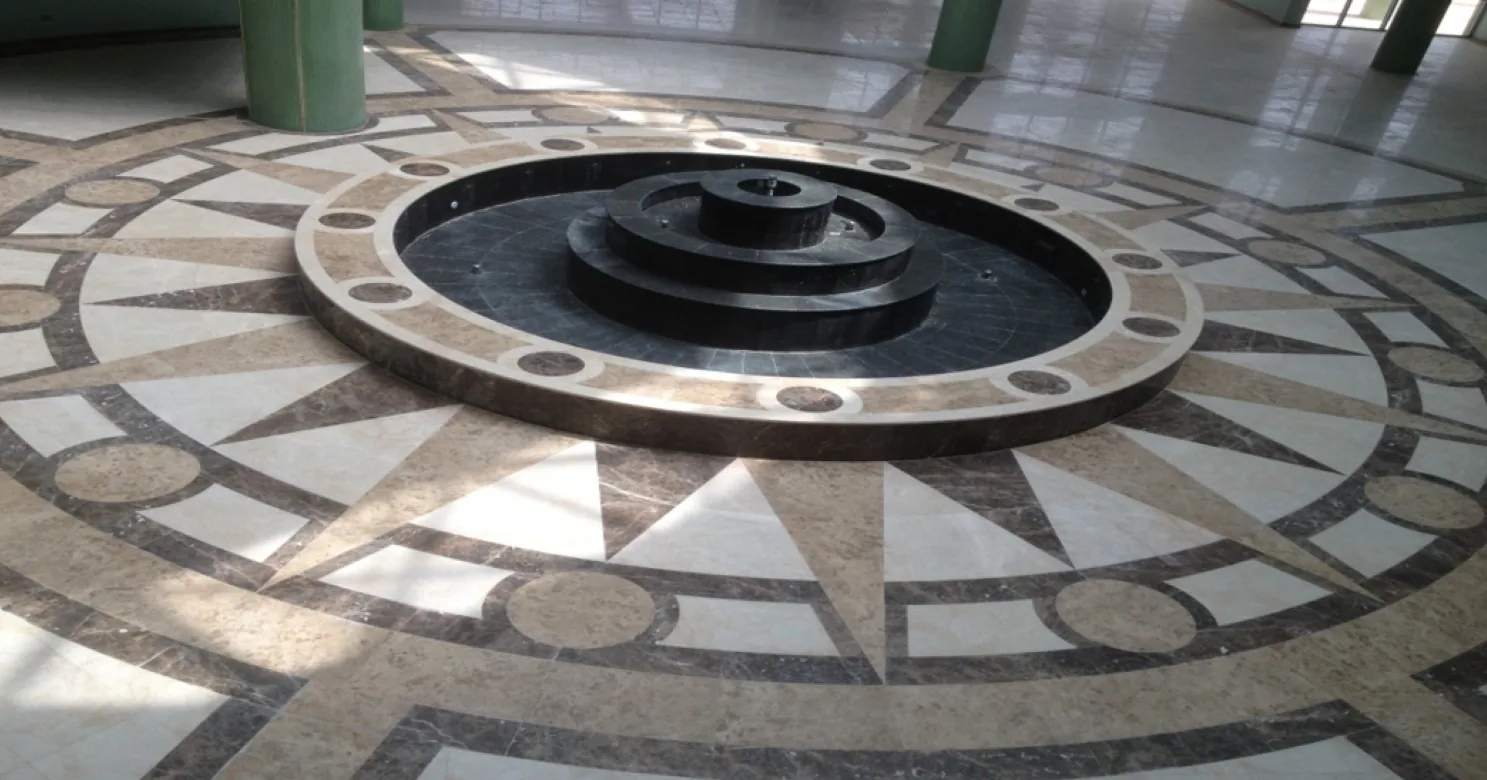
Al Kharj
Riyadh Region
The Kingdom's dairy capital — and our largest Riyadh Region project outside the capital itself.
1 project delivered
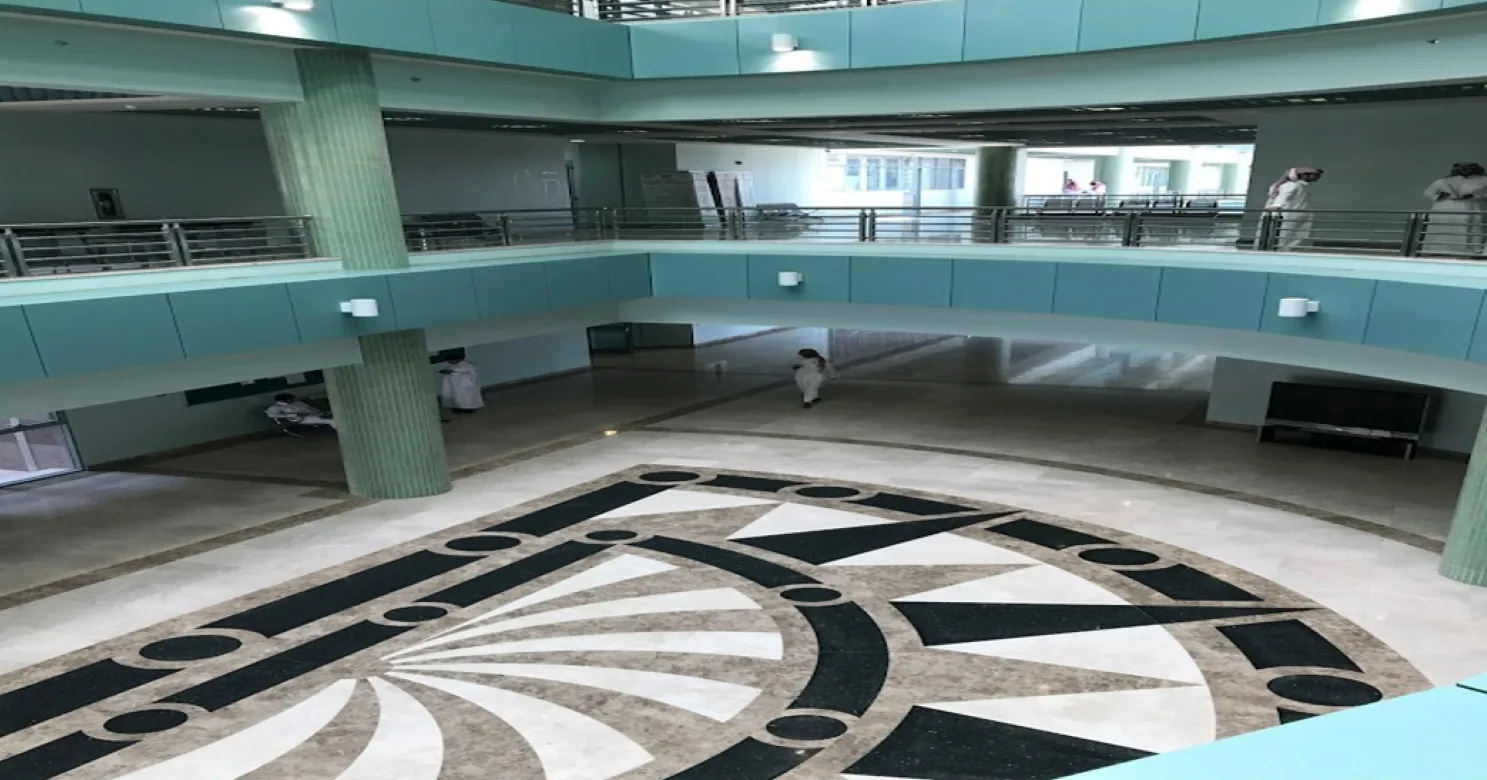
Huraymila
Riyadh Region
A college campus finishing scope, part of our wider Riyadh Region higher-education work.
1 project delivered
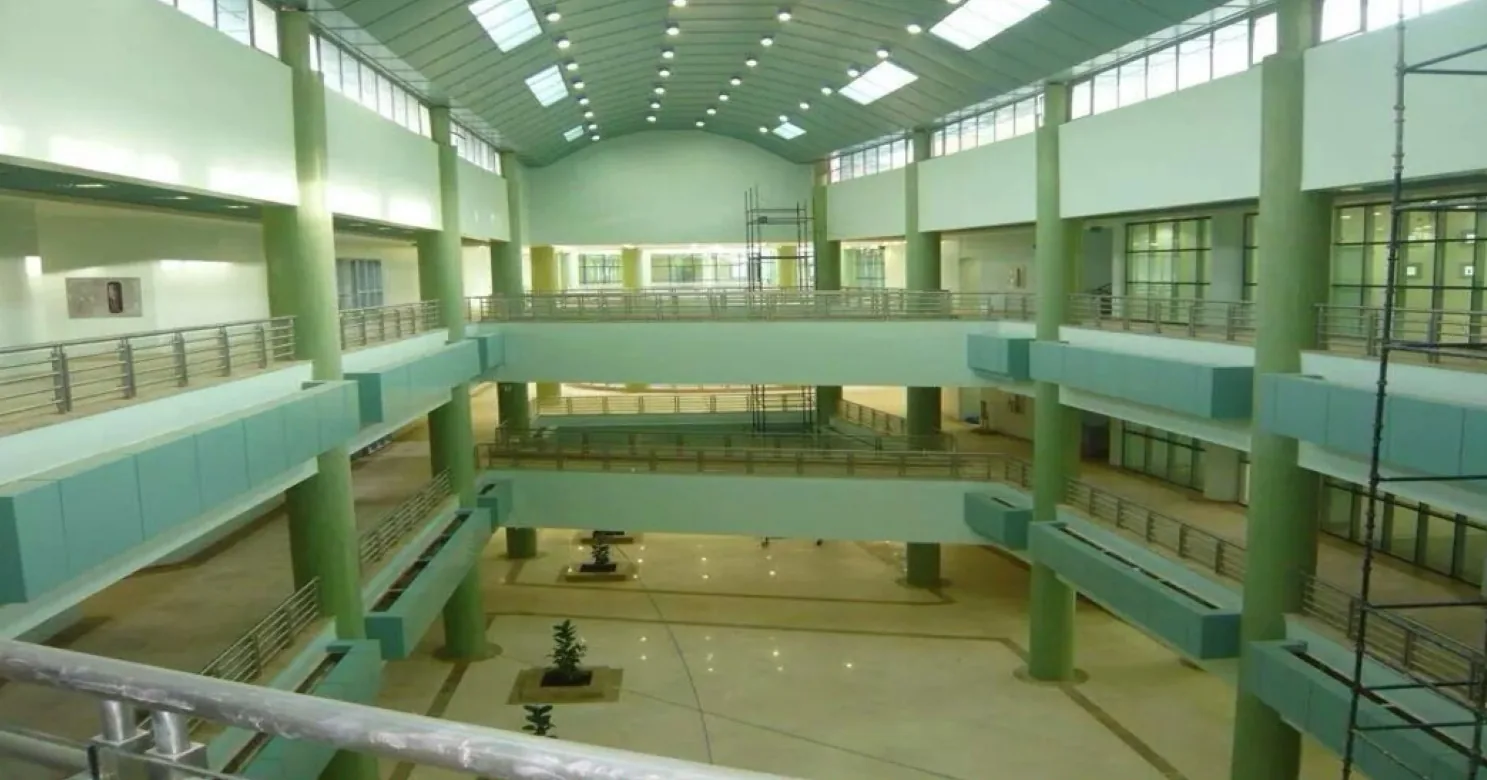
Muzahmia
Riyadh Region
A university campus finishing scope, on the Riyadh–Mecca Highway corridor west of the capital.
1 project delivered
Related projects in MEP Works
Government Residential
Related reading
Main Contractor vs Subcontractor: What's the Difference?
Main contractor and subcontractor sound like a hierarchy of quality, but the real difference is contractual role. Here's how it actually works.
Read more
Saudi Building Code Requirements for Finishing Works
Where the Saudi Building Code touches finishing works — railings, fire-rated partitions, waterproofing and accessibility — and why it matters on site.
Read moreFrequently asked
Do you supply the cameras and equipment, or only install?
We plan and install containment, cabling and camera positioning as part of the MEP scope; equipment specification is confirmed with the client against the project's security requirements.
Can CCTV be added after finishing works are complete?
It can, but it's harder to route cleanly — coordinating containment while walls and ceilings are still open gives a far tidier result than retrofitting surface cable later.
Is CCTV installation coordinated with networking cabling?
Yes — both run through the same low-current containment and are planned together, not as separate trades with separate schedules.
How do you decide where cameras actually need to go?
Against coverage need — entrances, boundaries and parking areas the client wants monitored — agreed with the building layout while ceilings and walls are still open, not against wherever surface conduit can reach afterward.
Where does recording and storage equipment get positioned?
Somewhere secure and accessible for maintenance, planned in during first-fix — not left to whichever spot happened to have a free socket.
Is CCTV a specialism you market separately, or part of a wider scope?
Part of a wider scope — it's delivered as standard, coordinated MEP work on every project we take on, held to the same coordination standard as electrical and plumbing rather than marketed as a dedicated security-systems practice.
Will a camera be able to identify a face or read a number plate?
Only if it was designed for that purpose. Identification needs enough image detail at the target distance, which depends on the resolution, the lens, the mounting height and the lighting. Ask for each camera's purpose in the schedule and check a saved snapshot at handover instead of assuming.
What should be handed over with a CCTV system?
The camera schedule and as-built plan, cable labels, a backup of recorder and camera settings, administrator credentials transferred to the owner, equipment manuals, and a short briefing for whoever will use the system.
Will the cameras work at night?
Many cameras have infrared or low-light modes, but performance varies by model and by site. Reflections from glass and nearby walls can spoil infrared images. Test at night before handover, and where a location matters, consider adding lighting.
Planning a project? Let's talk finishing.
Tell us about your scope and timeline — our technical team will respond with a clear, considered proposal.