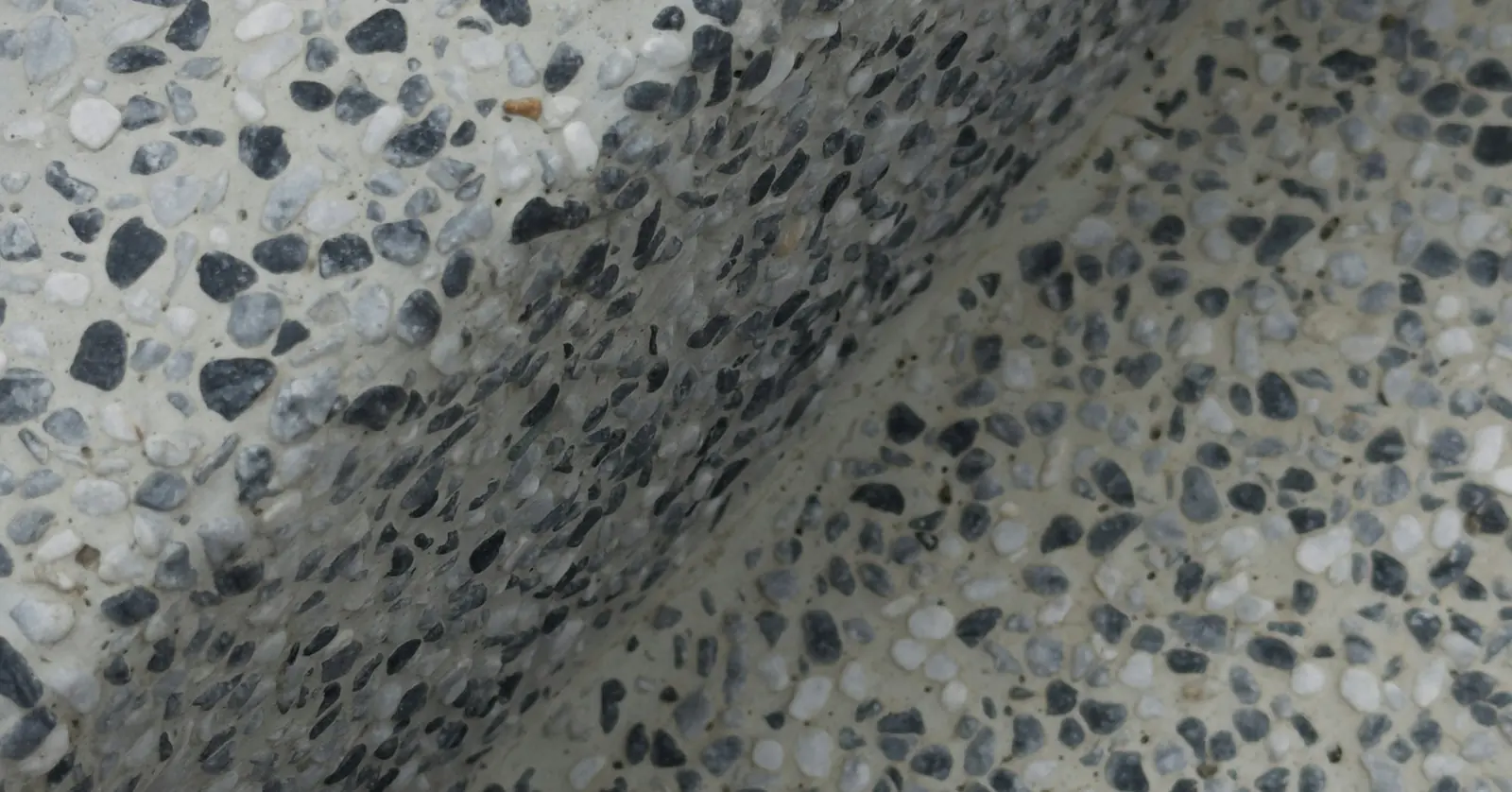
Terrazzo Facade Cladding Contractor in Saudi Arabia
Wash terrazzo (Qasr Rukham) cladding for wall bases, plinths and entrance features — a durable stone-aggregate finish, used across Saudi Arabia.
Request a QuoteA building's facade takes the most visible punishment in a Saudi climate — sun bleaching, dust, and years of temperature swings that show up first on whatever finish is closest to the street. Wash terrazzo, known in the trade here as Qasr Rukham, has been used on Saudi facades, wall bases and entrance features for exactly that reason: a stone-aggregate finish that reads as solid and permanent, at a fraction of the cost and weight of full stone cladding — but only when the mix, the panel layout and the wash timing are all done correctly. Get any one of those wrong and the finish patches, discolours or crazes within a couple of years instead of aging the way it should.
Qasr Rukham is a cement-and-stone-aggregate finish applied to the prepared substrate and then washed back while it's still curing, exposing the stone aggregate underneath rather than leaving a flat painted surface. We use it most on wall bases and plinths, boundary walls, entrance columns and steps, and selected facade bands — the areas where a facade needs a durable, textured stone finish rather than full cladding panels. Panel and joint layout is planned before the first mix goes on, aggregate is batched consistently across a run so colour doesn't drift from one wall to the next, and the wash is timed to the cure rather than to the schedule — rushing it is the single most common cause of a patchy, uneven finish.
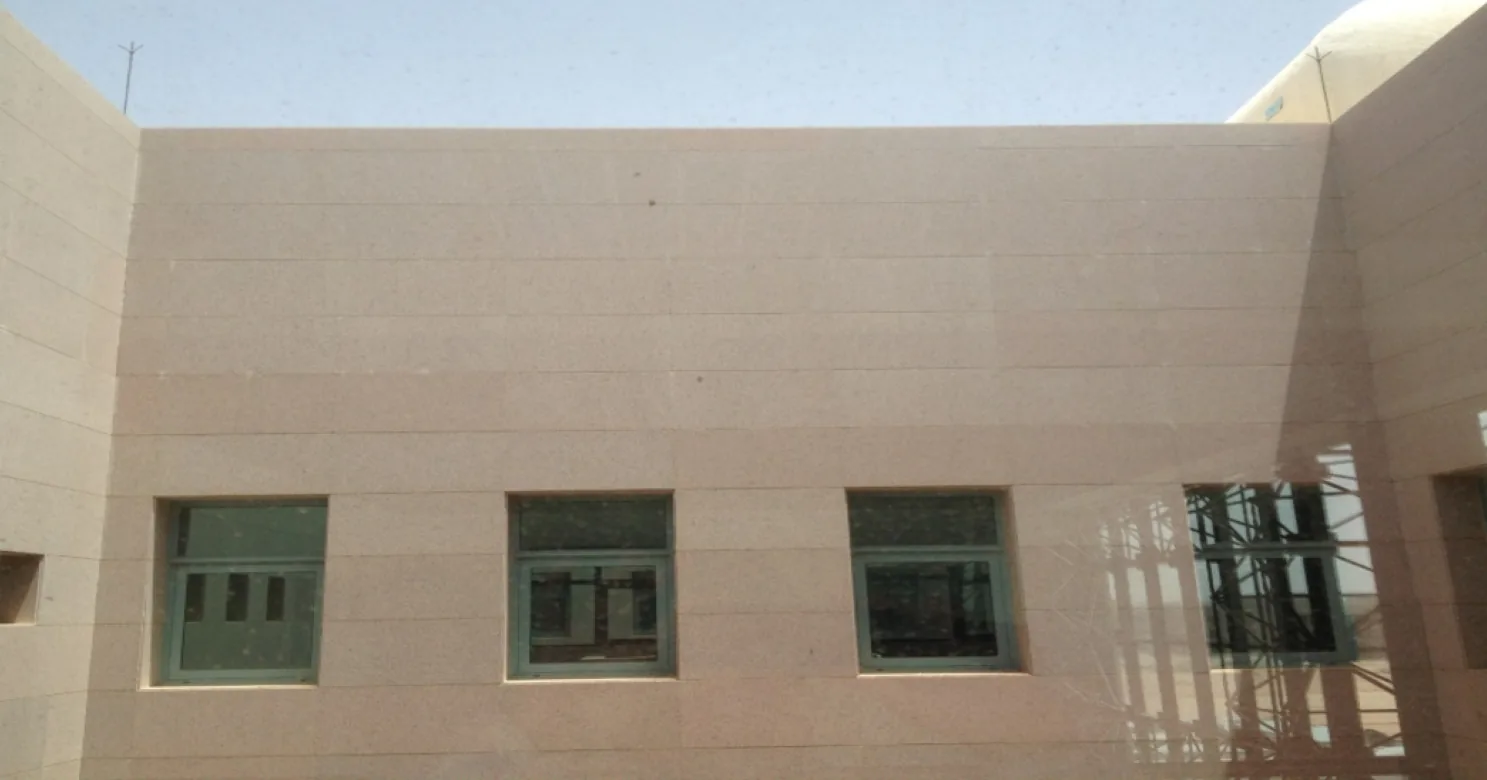
This is finishing work we've carried on commercial projects in Riyadh, where wash terrazzo was applied to a full facade elevation as part of the building's external cladding scope — batched and washed in coordinated runs so the finish reads as one continuous surface across the whole wall rather than a patchwork of individually washed sections.
Qasr Rukham is coordinated with the rest of a building's envelope — granite and marble cladding where the design calls for both finishes on the same facade, and hardscaping where the wall base meets paving at ground level — so the material transitions line up rather than being finished by separate trades on separate schedules.
What's in scope
- Wash terrazzo (Qasr Rukham) for wall bases, plinths and entrance features
- Boundary walls, entrance columns, steps and selected facade bands
- Consistent aggregate batching and timed washing across a run
How we deliver this
- 01
Panel & joint layout
Panel and joint layout is planned before the first mix goes on, coordinated with adjoining facade finishes.
- 02
Substrate preparation
The substrate is prepared to take the cement-and-aggregate mix evenly across the run.
- 03
Consistent batching
Aggregate is batched consistently across a run so colour doesn't drift from one wall to the next.
- 04
Application
The mix is applied to the prepared substrate across the planned panel and joint layout.
- 05
Timed washing
The wash is timed to the cure of each section rather than the schedule — rushing it is the most common cause of a patchy finish.
- 06
Envelope coordination
The finish is coordinated with granite/marble cladding and hardscaping so material transitions line up.
What controls the look of wash terrazzo
Wash terrazzo is a cement-and-stone-aggregate finish put on a prepared base, left to firm, then washed back so the stone shows and the surface cement is removed. Four things set the result, and all four can be specified. For how it compares with stone on cost and upkeep, read Terrazzo vs Granite Cladding: Which Is Right for Your Facade?.
- Aggregate. The type, colour and grading of the stone chips. Natural stone varies from lot to lot, so order the whole job from one lot and keep a retained sample.
- Binder. Grey or white cement and any pigment. Use the same cement brand throughout and dose pigment by weight, not by eye.
- Water. Extra water in the mix, or a base that is too wet or too dry, shifts the shade and weakens the surface.
- Wash timing. Too early strips the stone; too late leaves a cloudy cement skin. The right moment depends on temperature, wind and the mix, so it is judged on the wall, not by the clock.
Hot, dry, windy conditions, common in Riyadh, shorten the working window and dry the face unevenly, so shade and wind protection matter. In humid, salt-laden Jeddah the concerns are slower drying, salts and staining, which is why the base detail and any sealer need thought.
Common defects, their causes and how to prevent them
| What you see | Usual cause | What prevents it |
|---|---|---|
| Patchy or cloudy shade | Inconsistent batching, different water content, or bays washed at different stages of set. | One batching method and one aggregate lot; each bay washed at the same stage. |
| Bare patches where stone has fallen out | Washing too early or too hard, or a weak bond to the base. | A trial wash on the sample; correct base preparation. |
| Fine map-pattern cracks | Shrinkage from fast drying, or movement in the base carried through. | Damp curing and shade; joints where the base moves; base cracks repaired first. |
| White bloom or dark staining | Salts and moisture moving through the wall: damp at the base, leaking parapets, splash from paving. | Damp-proofing and drainage at the base, tops that shed water, and a compatible breathable sealer where specified. |
| Hollow-sounding or lifting areas | Poor bond: a dusty, smooth or wrongly dampened base, or a base that moves. | Base cleaned and prepared; tap-test before the sample is approved and again at handover. |
Details at the base, the joints and the top
Wash terrazzo is used mostly at wall bases, plinths, boundary walls, entrance columns and steps, where water, splash and traffic all arrive together. A few details do most of the work:
- Agree the base: a sound cement-based backing, either the structure itself or a render coat (Plastering (Internal & External)), flat enough for an even finish.
- Plan panels and joints before the first mix. Work in bays that end at planned joints, so no day's work leaves a visible line.
- Form movement joints where the base has them and where the finish meets another material, such as stone, paving or a change of plane. See Granite & Marble Cladding and Hardscaping & Landscape Works.
- Detail the base so ground moisture and splash cannot wick up behind the finish.
- Slope the top of a plinth, step or boundary wall so water sheds away from the face instead of running behind it.
Samples, inspection and handover
- Approve a sample panel on site showing aggregate, shade, wash depth and joint pattern. Judge it dry, in the light the wall will be seen in, because wet stone looks darker.
- Check the base before application: sound, clean, flat enough and with cracks repaired.
- Keep batching records: aggregate lot, cement, pigment and proportions.
- At handover, look for an even shade at normal viewing distance, straight clean joints and no bare or cloudy patches; tap-test for hollow areas and record the result.
- Ask for cleaning guidance. Avoid acid-based cleaners unless the supplier confirms they suit the finish, as they can etch the cement and some stone aggregates.
What's handled by another capability
- Full stone facade cladding — see Granite & Marble Cladding
- Ground-level paving and hardscaping — see Hardscaping
- Structural facade substrate — see Structural Works
Materials & systems
- Cement-and-stone-aggregate wash terrazzo mix
- Panel and joint-layout systems
Where we deliver this
 Head office
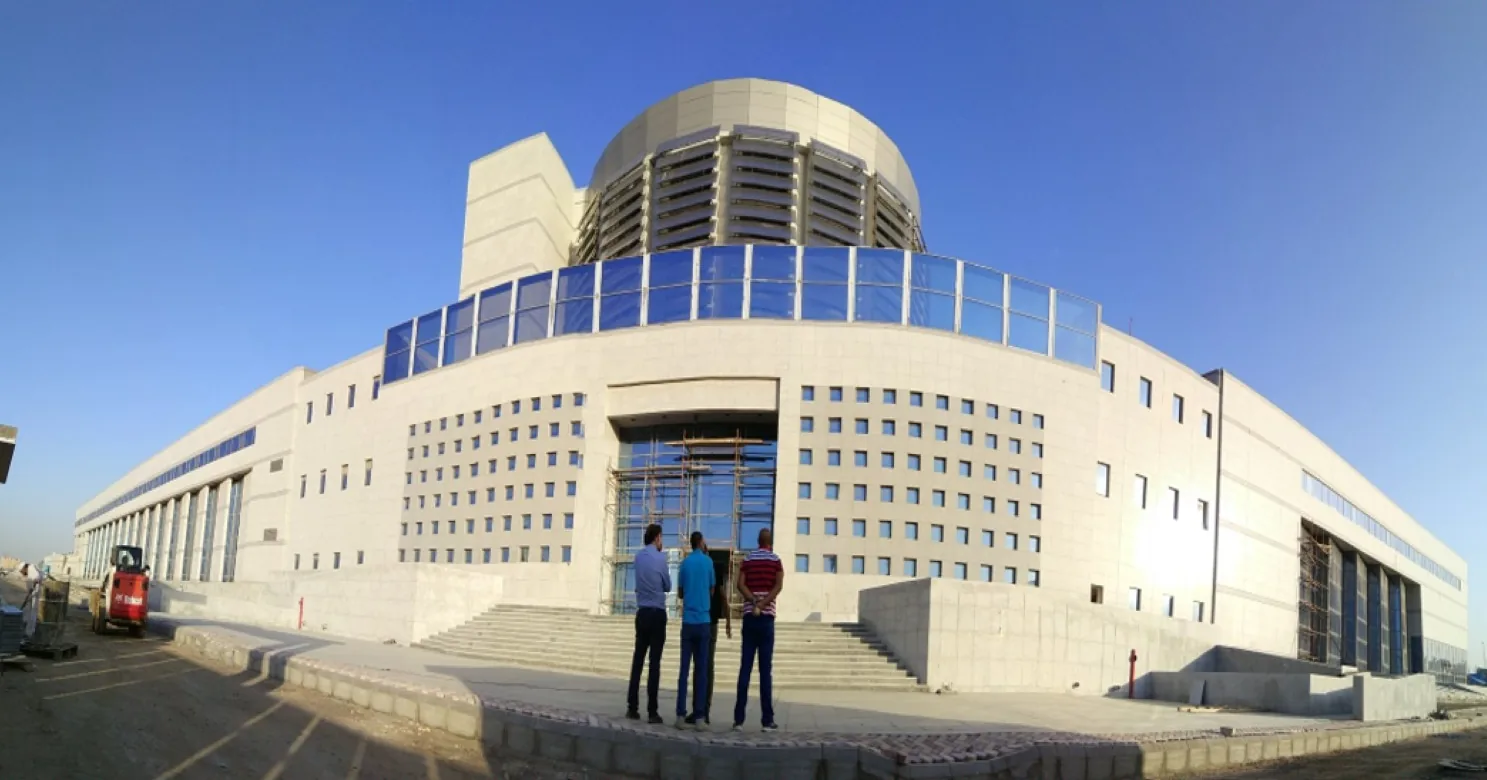
Jeddah
Makkah Region
Ashlaar's head office, and the largest share of our project record.
7 projects delivered
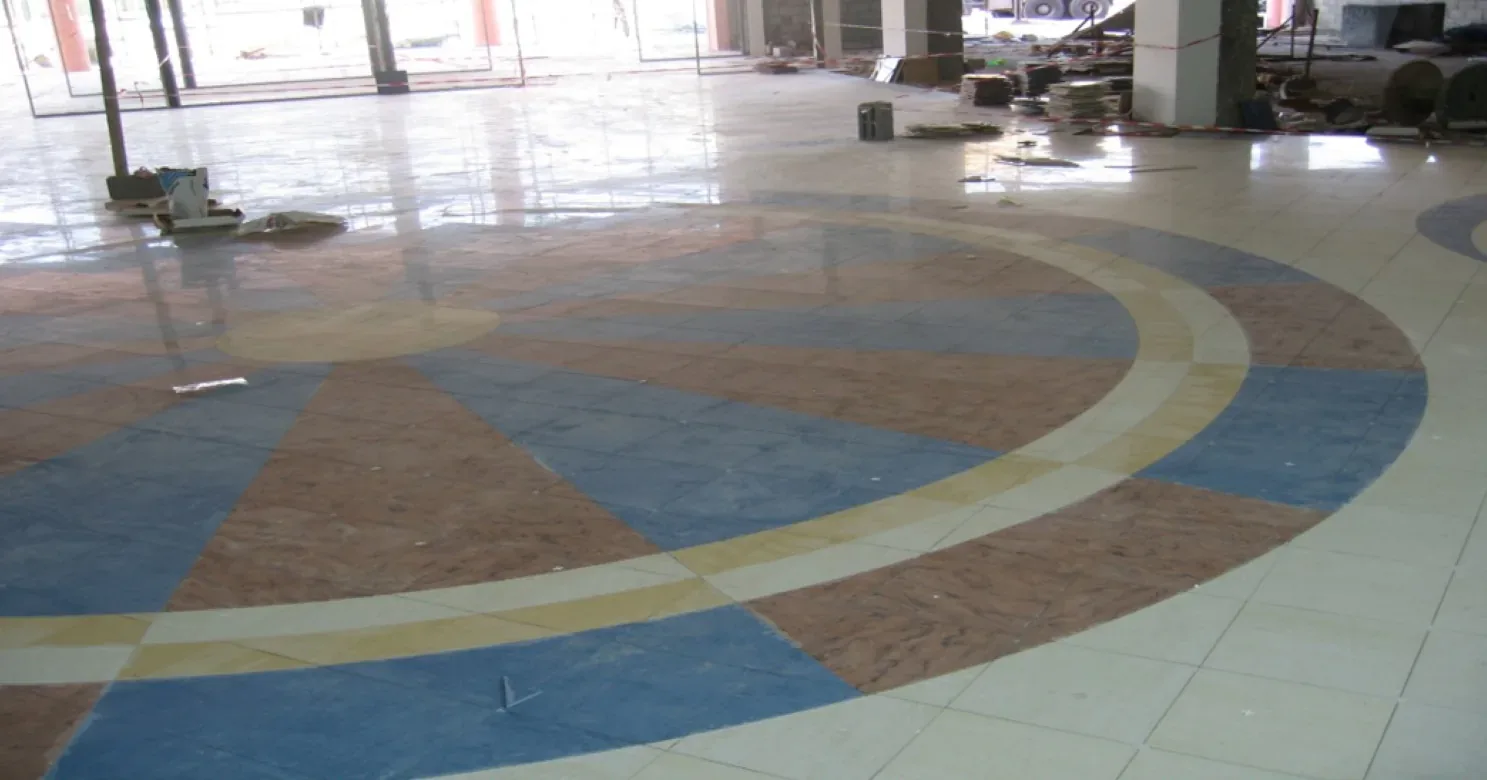
Riyadh
Riyadh Region
Our largest project base outside Jeddah.
6 projects delivered
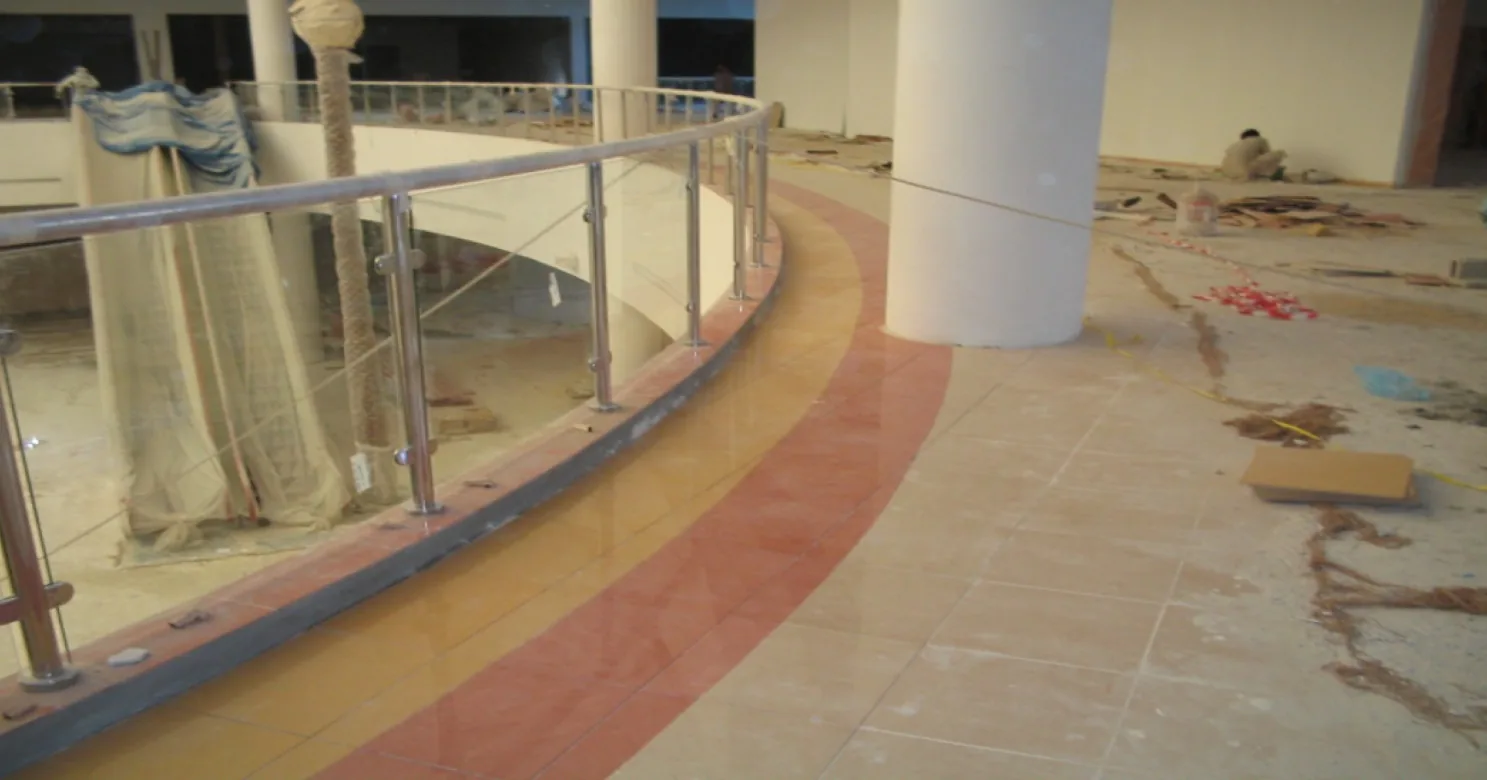
Dammam
Eastern Province
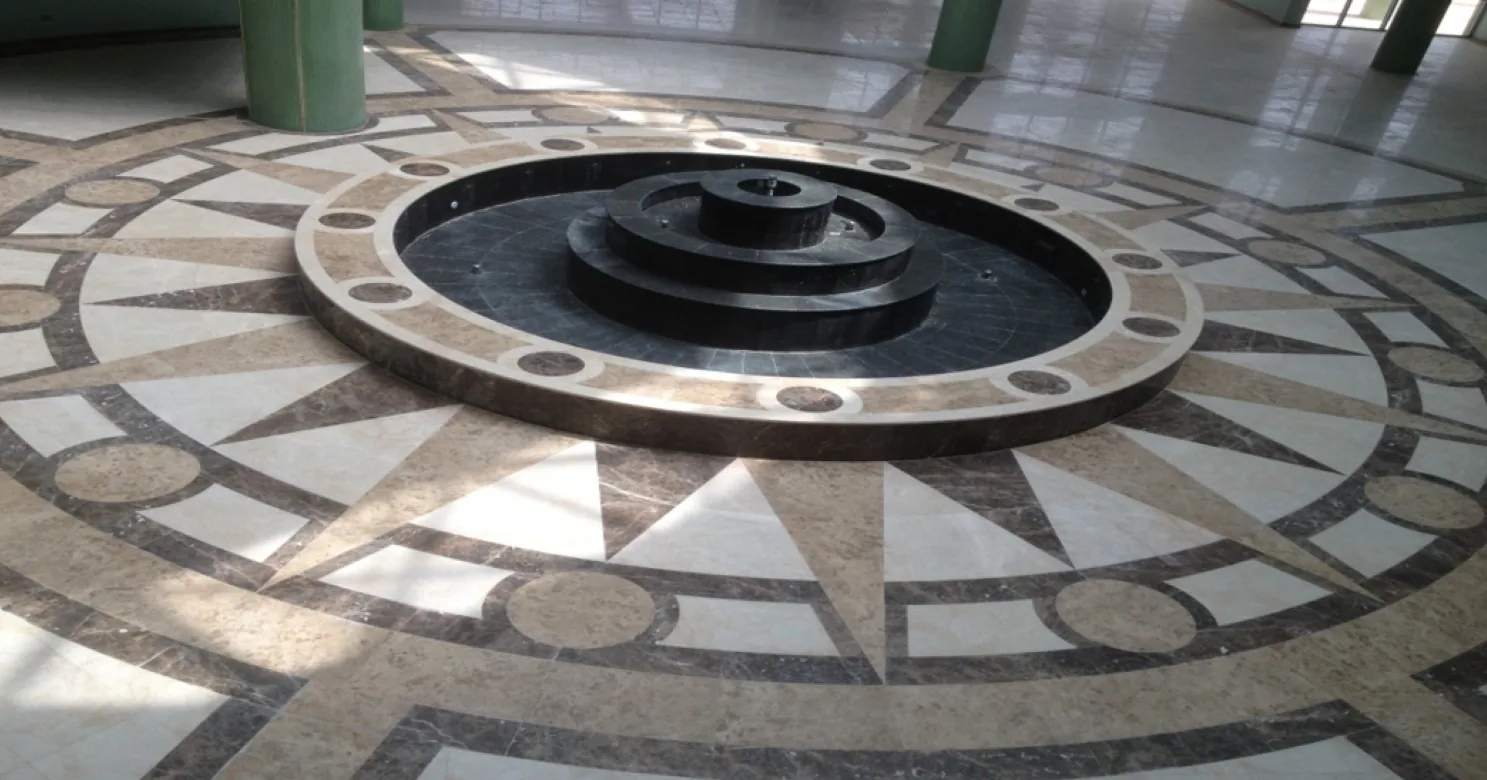
Interior finishing and flooring for a retail development.
1 project delivered
Al Ahsa
Eastern Province
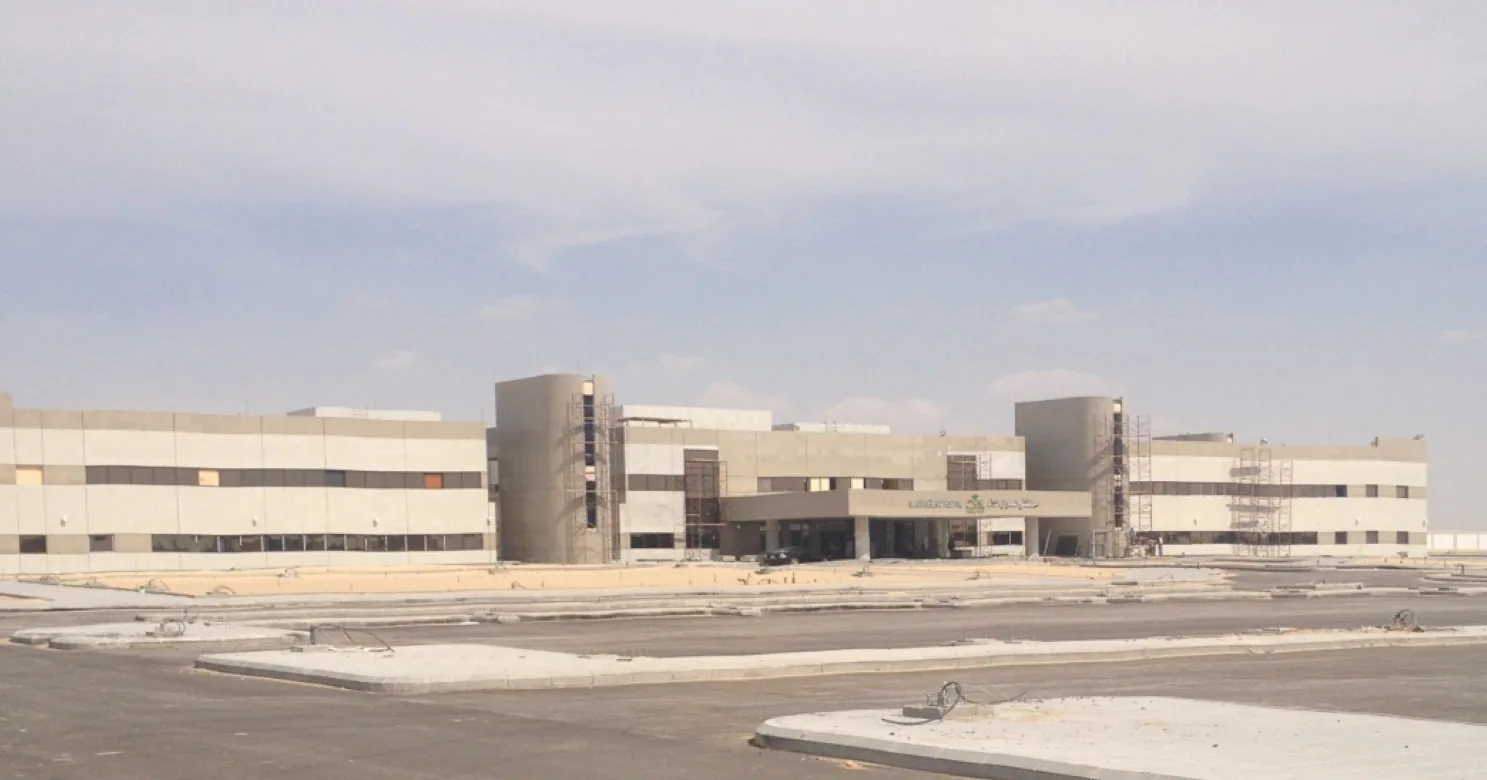
Architectural finishing for a healthcare facility.
1 project delivered
Al Kharj
Riyadh Region
The Kingdom's dairy capital — and our largest Riyadh Region project outside the capital itself.
1 project delivered
Huraymila
Riyadh Region
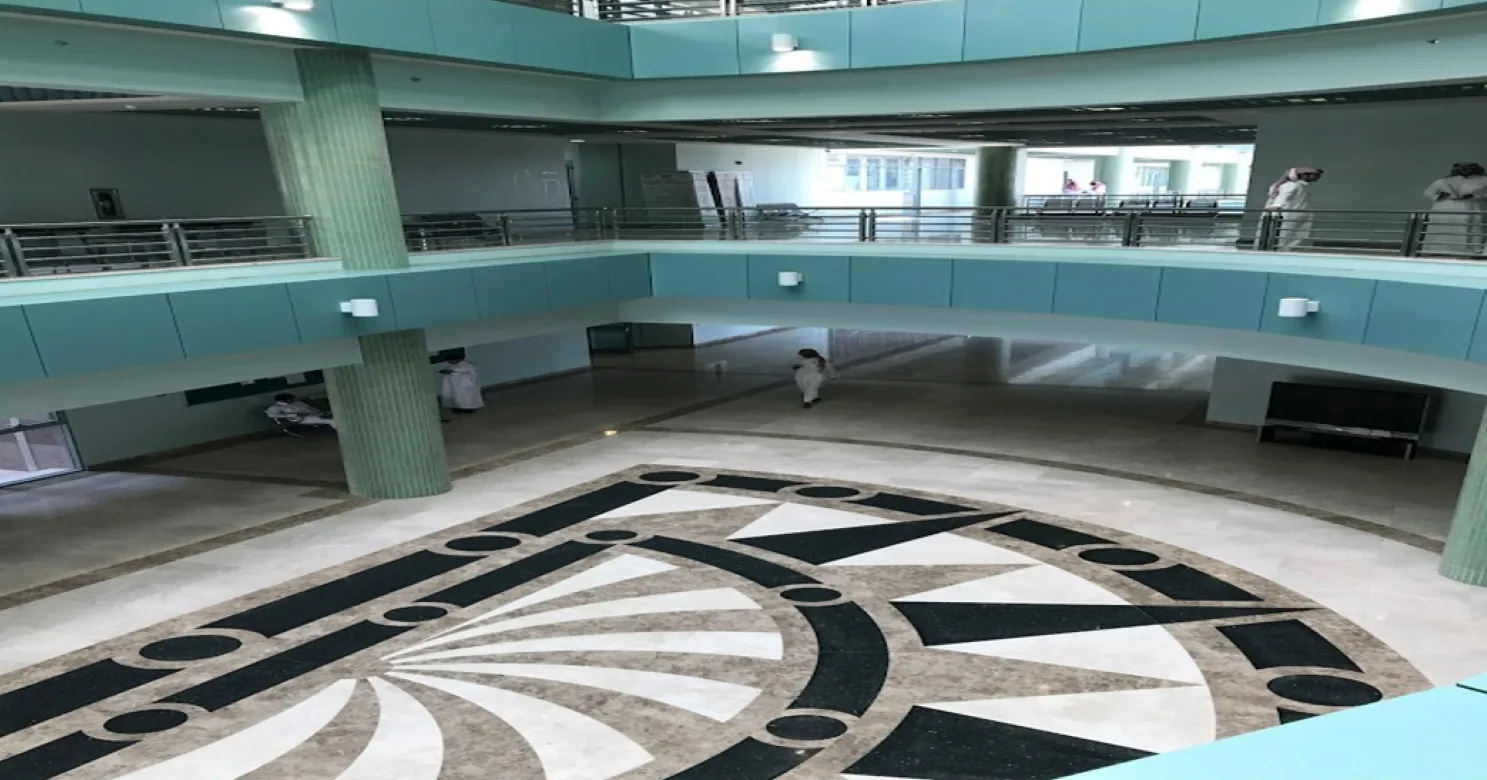
A college campus finishing scope, part of our wider Riyadh Region higher-education work.
1 project delivered
Muzahmia
Riyadh Region
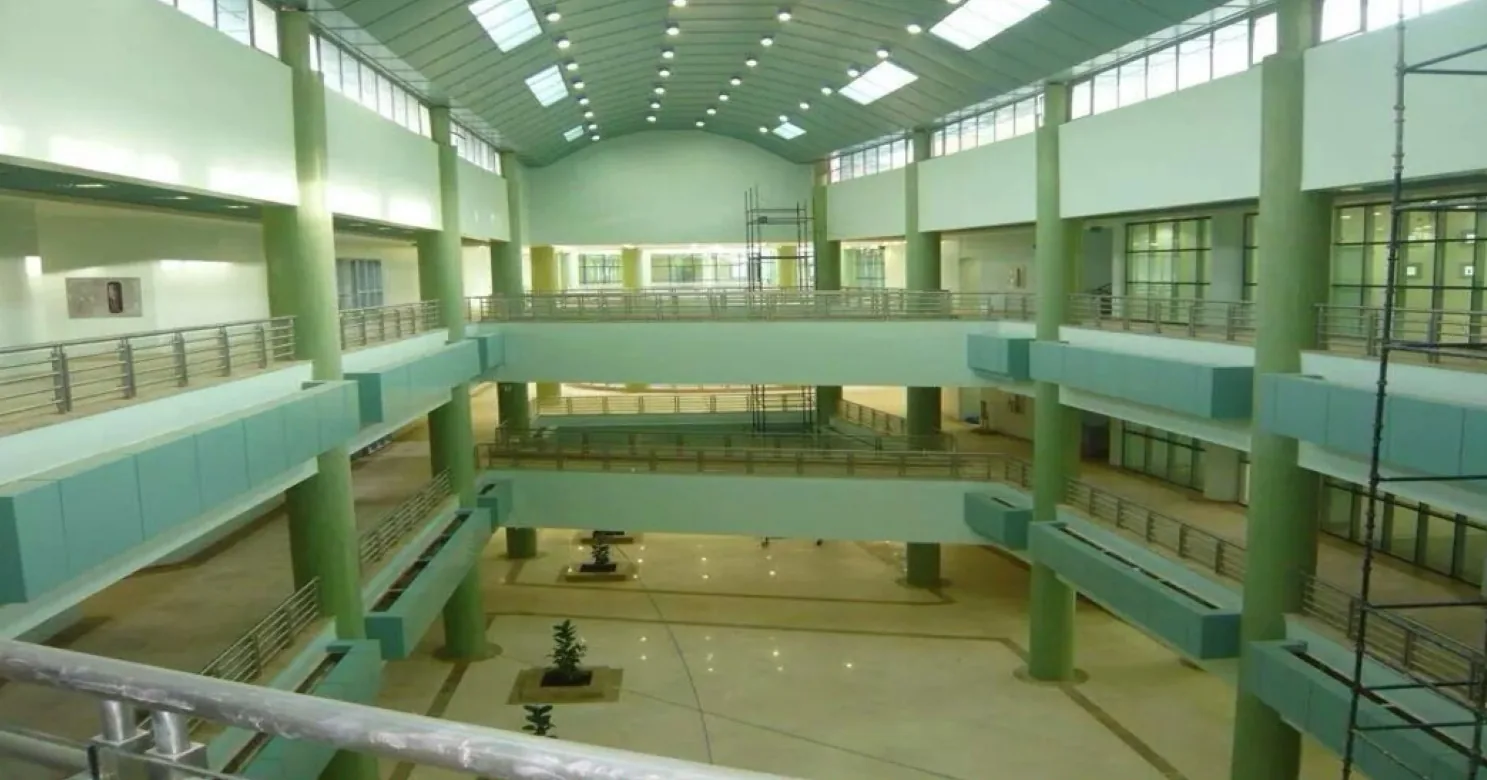
A university campus finishing scope, on the Riyadh–Mecca Highway corridor west of the capital.
1 project delivered
Related projects in External & Facade Works
Government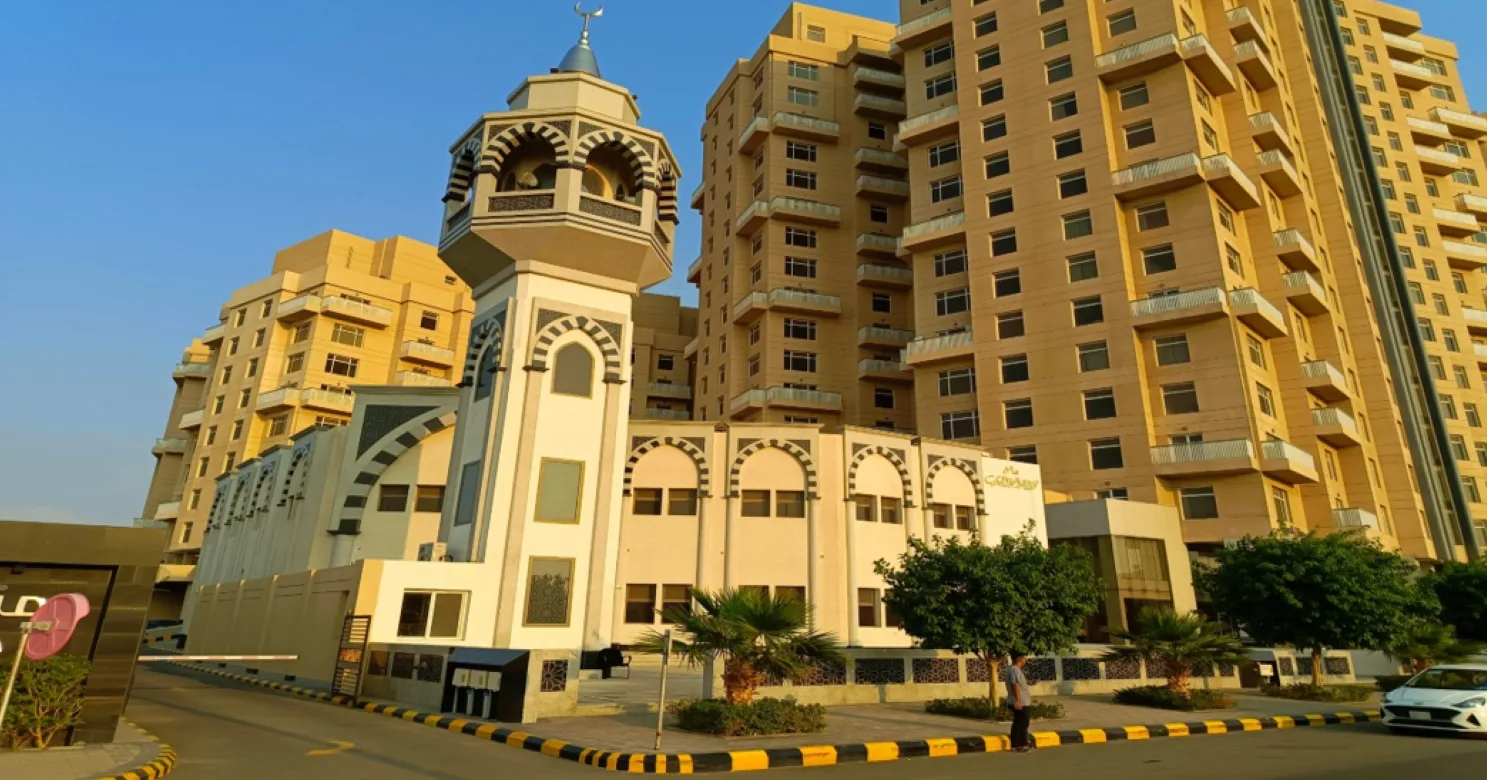 CommercialGovernment
Related reading
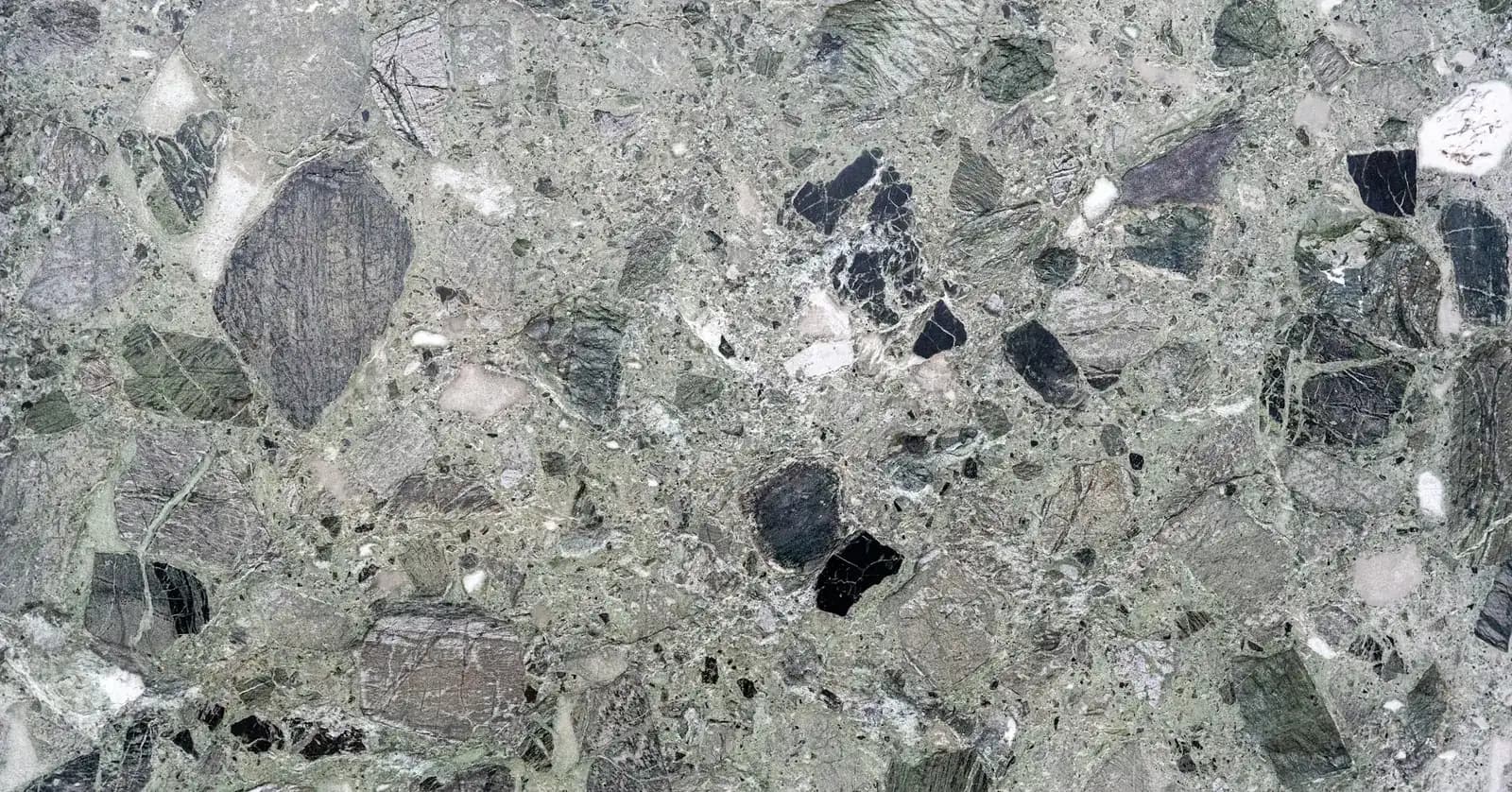
Terrazzo vs Granite Cladding: Which Is Right for Your Facade?
Granite cladding and wash terrazzo compared honestly — cost, durability, design flexibility and maintenance — so you can match the material to the facade.
Read more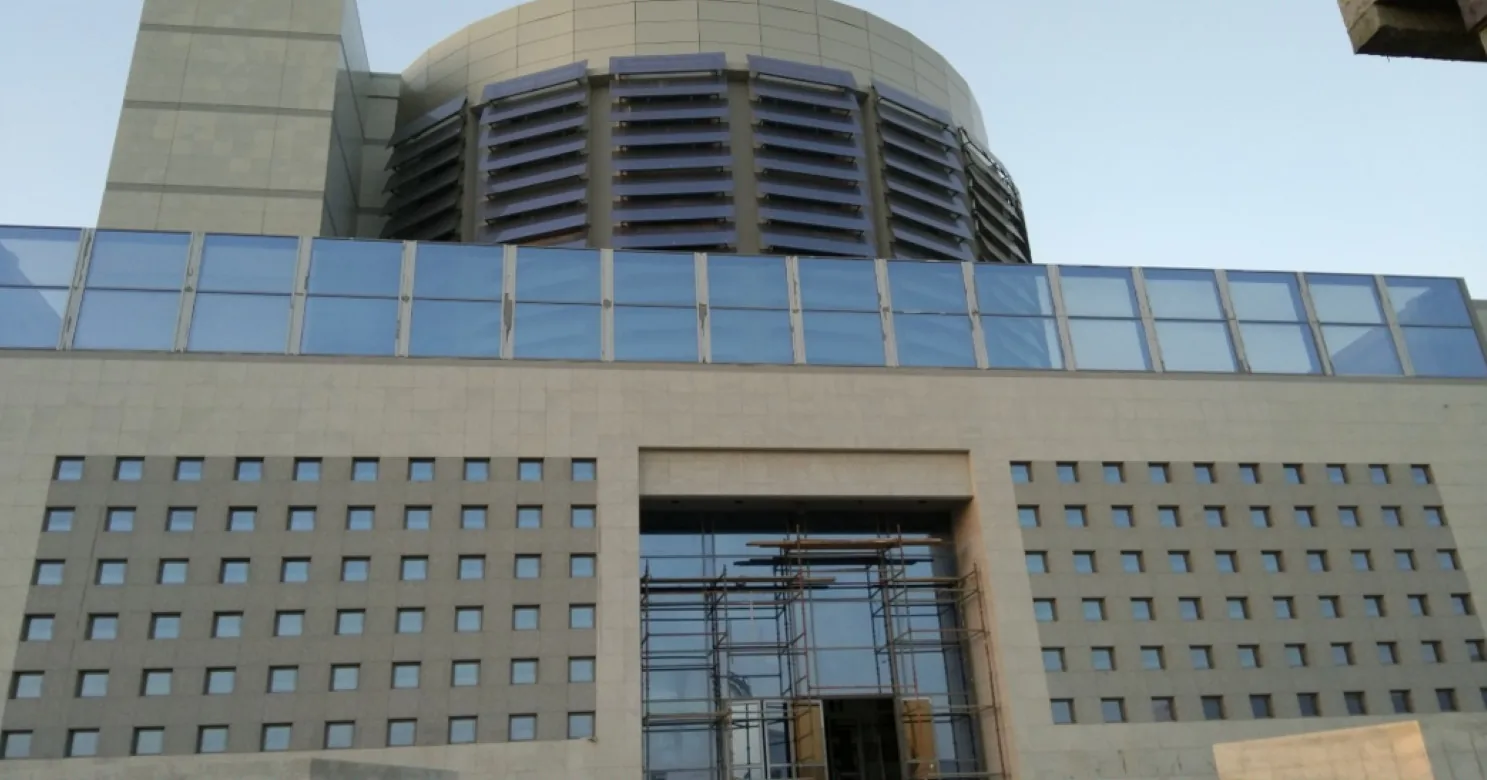
Finishing a Government Institution: The Institute of Public Administration Project
How Ashlaar delivered architectural finishing and an external granite cladding system for the Institute of Public Administration, a flagship Jeddah project.
Read moreFrequently asked
What is Qasr Rukham (wash terrazzo)?
A cement-and-stone-aggregate finish applied to a wall or column and then washed back while curing to expose the stone underneath — a durable, textured alternative to full stone cladding, used on facades, wall bases and entrance features across Saudi Arabia.
Where on a building is wash terrazzo used?
Mostly wall bases and plinths, boundary walls, entrance columns and steps, and selected facade bands — areas suited to a durable textured finish rather than the full-height cladding panels used elsewhere on a facade.
How do you keep the finish consistent across a large wall or facade?
By batching the aggregate mix consistently for the whole run and timing the wash to the cure of each section rather than rushing it to meet a schedule — the main reason two sections of the same wall end up different shades.
How does wash terrazzo compare to granite or marble cladding on cost?
It reads as a solid stone finish at a fraction of the cost and weight of full stone cladding, which is why it's specified for wall bases, plinths and entrance features rather than full facade panels.
What causes a patchy or uneven wash terrazzo finish?
Rushing the wash before the mix has cured to the right point — timing has to follow the cure of each section, not a fixed schedule, or the exposed aggregate ends up inconsistent from one panel to the next.
Can Qasr Rukham be used alongside granite or marble cladding on the same building?
Yes — it's coordinated with the rest of the building's envelope so material transitions between wash terrazzo, stone cladding and paving line up as one planned scope rather than separate trades finishing independently.
Can wash terrazzo be repaired if part of it is damaged?
Small repairs are possible, but matching the shade and stone exposure is difficult because the original has aged and weathered. That is why it is worth asking at handover for the batching record, a retained aggregate sample and photographs of the approved panel. Larger damage is normally redone across a whole bay, ending at a joint, so the repair does not show as a patch.
Should wash terrazzo be sealed?
It depends on the finish, the exposure and the specification. A compatible, breathable sealer can make staining easier to clean, while the wrong one can trap moisture, darken the face or peel. Test it on the approved sample first and follow the supplier's data sheet.
How should wash terrazzo be cleaned?
Start with clean water, a soft brush and a mild neutral detergent. Avoid acid-based cleaners, which can etch the cement and some stone aggregates, and avoid close-range pressure washing, which can strip stone from the face. If a stain needs something stronger, check with the supplier first.
Planning a project? Let's talk finishing.
Tell us about your scope and timeline — our technical team will respond with a clear, considered proposal.