Granite & Marble Cladding Contractor in Jeddah
External and internal granite and marble cladding — mechanical fixing, correct joints and expansion gaps. Government and commercial experience in Jeddah.
Request a QuoteGranite and marble cladding is the finish that's supposed to outlast everything around it — it's specified for government buildings, commercial towers and high-end villas precisely because it reads as permanent. That only holds if the fixing underneath it is done properly. Cladding installed with the wrong fixing system, no allowance for thermal movement, or panels sequenced out of order doesn't fail quietly — panels crack, joints stain, and on an external elevation a fixing failure is a safety issue, not just a cosmetic one. We treat granite and marble cladding as a structural-fixing discipline first and a finish second.
Our cladding scope covers both external facades and internal features — lobbies, feature walls, cladding on columns and stairs — with the fixing system chosen for the application: mechanical fixings (cramps and anchors back to the structure) for external panels and taller elevations, adhesive fixing where the application and panel size allow it internally. Every run accounts for expansion joints and movement, correct panel sequencing so loads transfer the way they're designed to, and sealant joints sized and installed to the panel gap, not just caulked in afterward. Granite is generally the choice for exterior work given its density and weather resistance; marble is used more for interior features where it isn't carrying the same exposure.
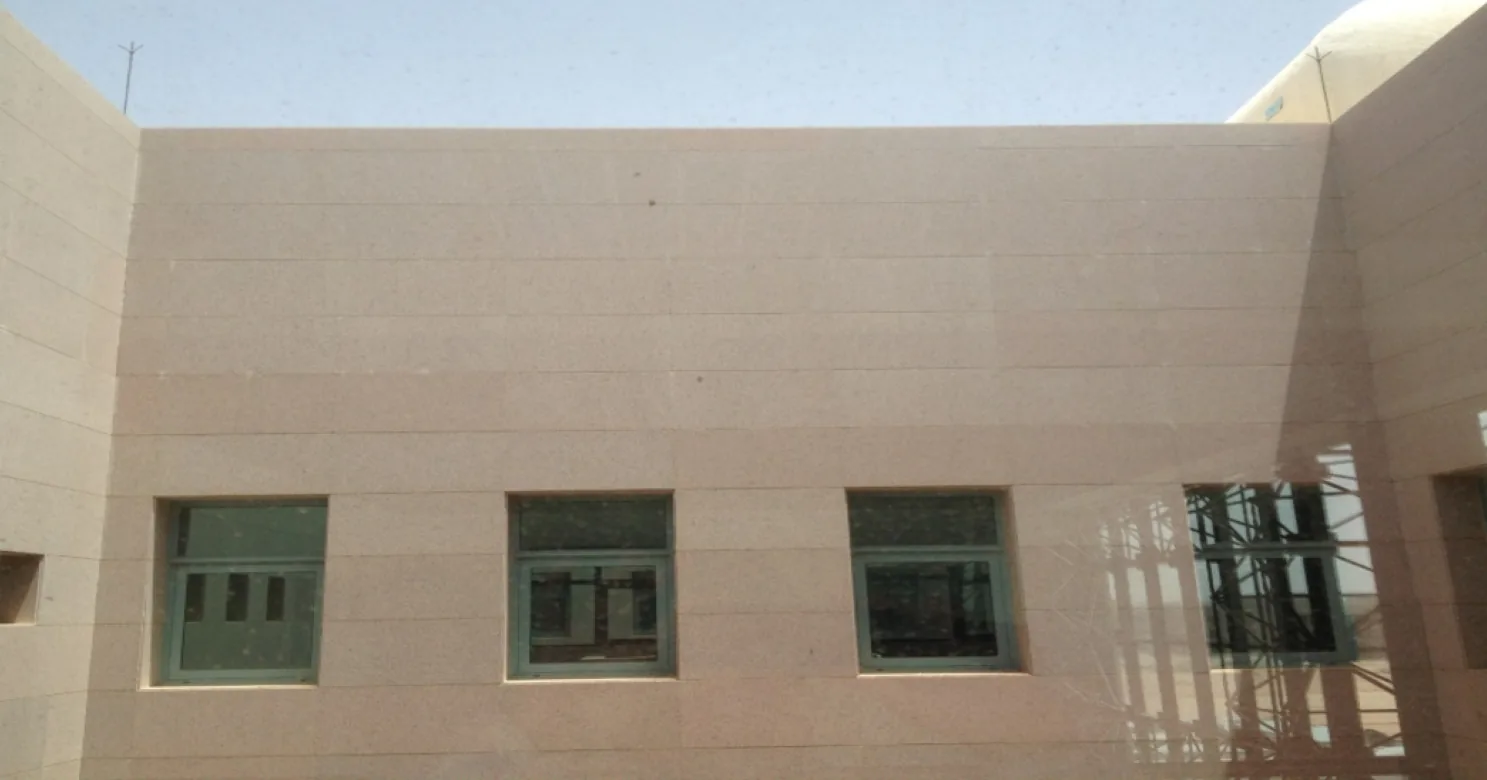
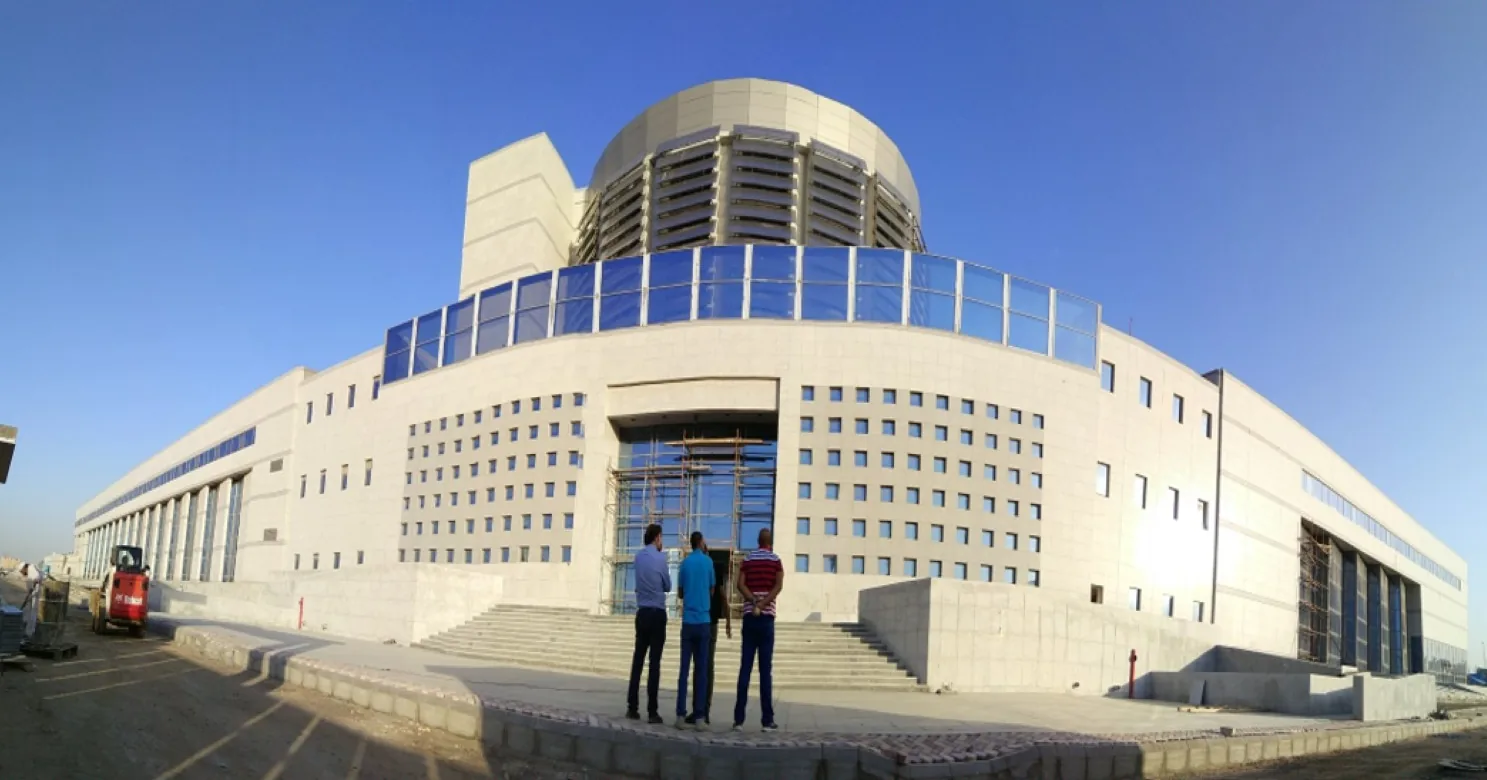
We've carried large-scale granite cladding and facade work on the engineering campus of Prince Sultan University in Al Kharj, and external granite cladding on a public-administration institute in Jeddah — government projects where the cladding had to meet the same standard as the rest of a public building, inspected as part of our support-engineering team's process before any panel is considered signed off.
Granite and marble cladding is coordinated with the structural work it fixes back to and with the roof treatment, terrazzo or other envelope finishes on the same building, so the whole exterior is sequenced as one scope rather than separate trades meeting at awkward joints.
What's in scope
- External facade granite cladding, mechanically fixed
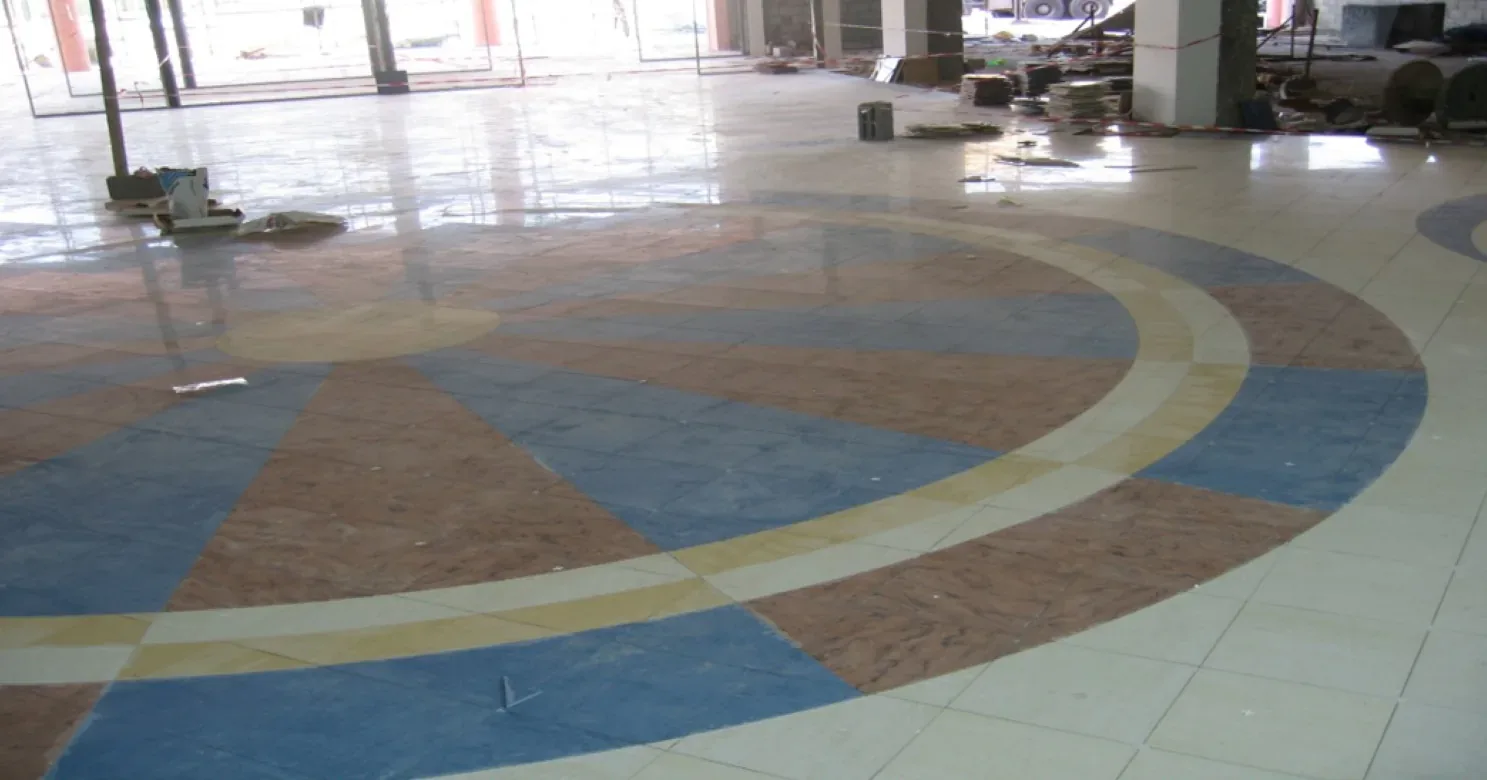
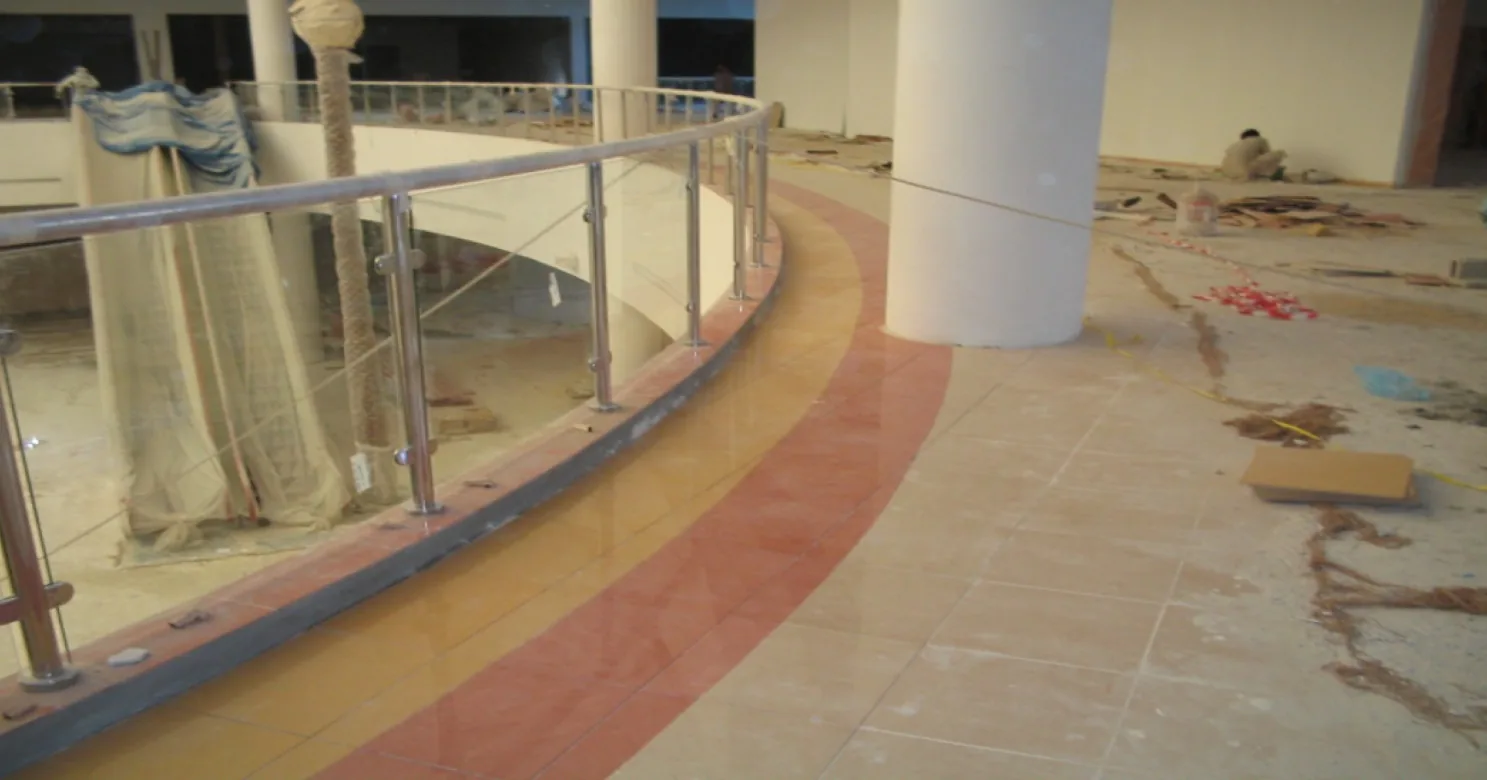
- Internal marble cladding — lobbies, feature walls, columns and stairs
- Expansion-joint design and sealant jointing within the cladding run
How we deliver this
- 01
Fixing-system selection
Mechanical fixing (cramps and anchors back to the structure) is chosen for external panels and taller elevations; adhesive fixing only where the application and panel size genuinely allow it.
- 02
Movement & joint design
Expansion joints and movement allowance are accounted for in every run before fixing starts.
- 03
Panel sequencing
Panels are sequenced correctly so loads transfer the way the fixing system is designed for.
- 04
Mechanical or adhesive fixing
Panels are fixed using the chosen system, checked for level and alignment as the run progresses.
- 05
Sealant jointing
Sealant joints are sized and installed to the panel gap, not just caulked in after the fact.
- 06
Support-engineering inspection
Panels are inspected by our support-engineering team as part of the process before any panel is considered signed off.
Choosing the fixing system
The fixing method follows the height of the elevation, the size and weight of each panel, the exposure and the wall behind it. For a worked example of a mechanical system on a government building, see Finishing a Government Institution: The Institute of Public Administration Project. In outline:
| System | Suits | Points of care |
|---|---|---|
| Adhesive fixing | Interior walls, columns and stair risers with modest panel sizes and heights. | Needs a sound, flat, dry background and full adhesive coverage with no voids. Moisture and movement can debond it, so it is not relied on alone for tall or heavy external panels. |
| Cramps and anchors fixed back to the structure | External panels and taller elevations. | Anchor type and depth must suit the substrate. Fixings should be stainless steel, and joints must allow the movement the panels need. |
| Panels on a sub-frame of rails and brackets | Large or tall elevations and uneven walls, where panels may need replacing individually. | Needs engineering design of the frame, load path and movement. Each fixing point must be checked, since the frame is hidden once the panels are up. |
Whichever system is chosen, external stone fixings should be stainless steel: carbon steel rusts, swells and stains the stone. The fixing design should be prepared with calculations by a party accountable for it, and approved by the consultant before any panel is cut.
Stone, finish and what goes wrong
Granite is dense and absorbs little water; marble is softer, more porous and reacts to acids. That is why granite is the usual external choice and marble mostly stays inside. Finish matters too: polished stone can be slippery when wet, so honed or flamed finishes are common on steps and entrances. The defects seen most often:
- Staining in marble or pale stone. Moisture, rust from carbon-steel fixings, or grey cement adhesive showing through. Use stainless fixings, an adhesive matched to the stone and a dry background.
- Cracked panels. Usually a point load from a badly set anchor, panels wedged tight with no movement gap, or a flawed slab that was not rejected on delivery.
- Stained or failed joints. Sealant that stains porous stone, a joint too narrow for the movement, or sealant applied to dirty or damp edges. Test the sealant on the actual stone first.
- Shade and vein mismatch. Panels from different blocks or batches. Order from one source, lay the panels out dry and number them before fixing.
Movement, set-out and the interfaces
Stone and structure move at different rates with temperature. The large day-to-night swings in Riyadh, and the humidity and salt in Jeddah, make that a design input, not a detail to sort out on site.
- Cladding movement joints line up with the structure's movement joints, and stone never bridges them.
- Set out from a datum, with panel and joint positions on shop drawings, including corners, openings and returns.
- Keep the joint widths the design shows, then seal with a backing rod and a sealant sized to the joint.
- Agree the interfaces early: roof edges and parapets (Roof Treatment & Waterproofing), window and door reveals (Doors & Windows Installation) and wash terrazzo bases (Terrazzo Facade Cladding (Qasr Rukham)).
- Protect finished panels from later trades until handover.
What to inspect and put in the BOQ
Ask for these before stone is cut, and check them again on site:
- An approved sample of the stone, finish and joint width, plus a delivery inspection for chips, cracks and dimensional errors.
- A fixing design with calculations, stainless steel fixings and the anchor type for each substrate.
- Anchor pull-out tests in the actual structure where the specification requires them, before production fixing starts.
- Shop drawings showing panel layout, numbering and joint positions.
- Inspection of fixings before they are covered, recorded per elevation.
- Spare panels from the same batch, cut and stored, for future repairs.
For real external stone scopes, see Institute of Public Administration (external granite cladding with a mechanical system), Safwa Tower (external granite decoration and minaret cladding) and Prince Sultan University of Engineering (cladding and facades). For the stone-versus-terrazzo choice, read Terrazzo vs Granite Cladding: Which Is Right for Your Facade?.
What's handled by another capability
- Wash terrazzo (Qasr Rukham) for wall bases and plinths — see Terrazzo Facade Cladding
- The structural substrate cladding fixes back to — see Structural Works
- Roofing and roof-edge treatment — see Roof Treatment & Waterproofing
Materials & systems
- Granite cladding panels — mechanical & adhesive fixing
- Marble cladding panels for interior features
- Cramp & anchor fixing systems
- Sealant jointing systems sized to panel gap
Where we deliver this
 Head office
Jeddah
Makkah Region
Ashlaar's head office, and the largest share of our project record.
7 projects delivered
Riyadh
Riyadh Region
Our largest project base outside Jeddah.
6 projects delivered
Dammam
Eastern Province
Interior finishing and flooring for a retail development.
1 project delivered
Al Ahsa
Eastern Province
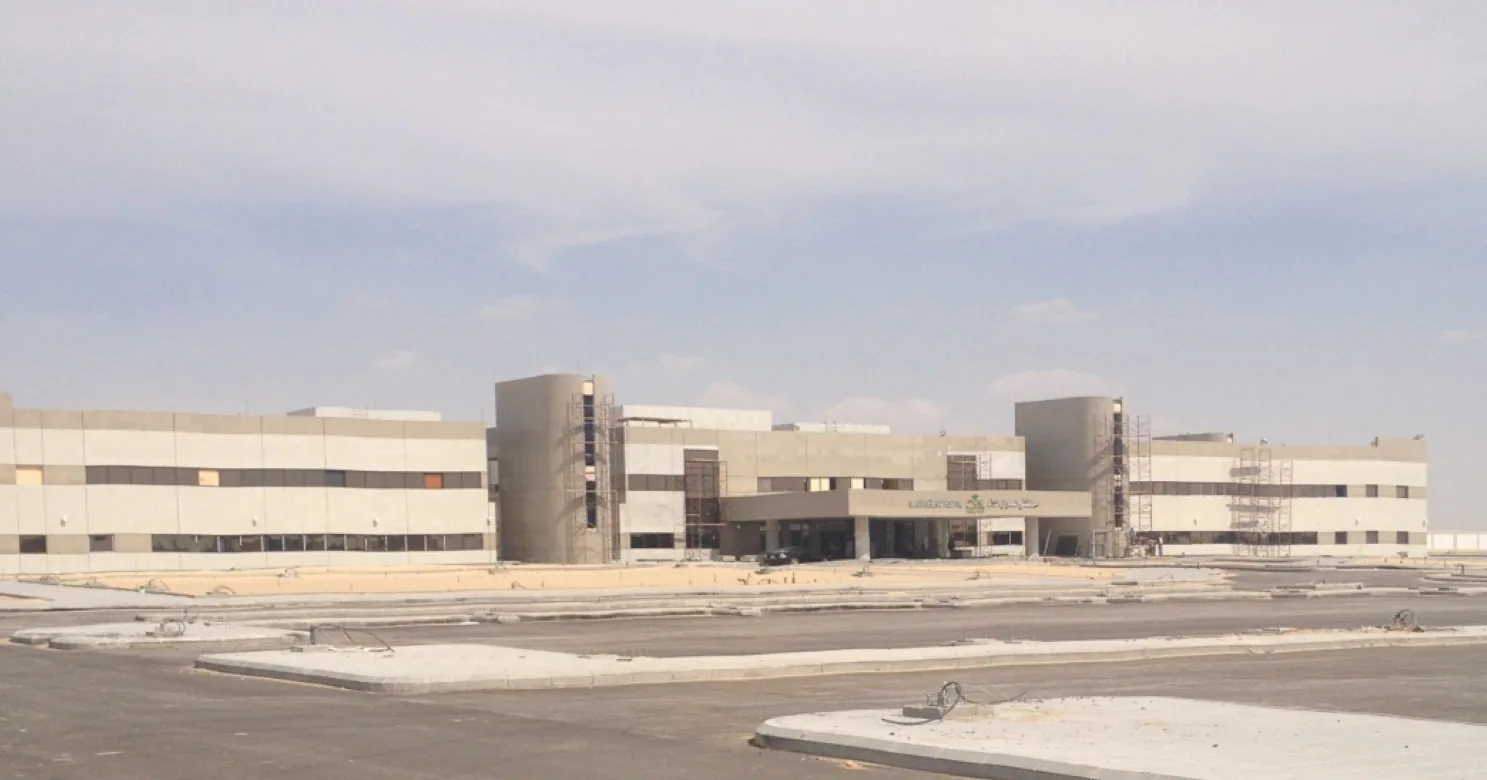
Architectural finishing for a healthcare facility.
1 project delivered
Al Kharj
Riyadh Region
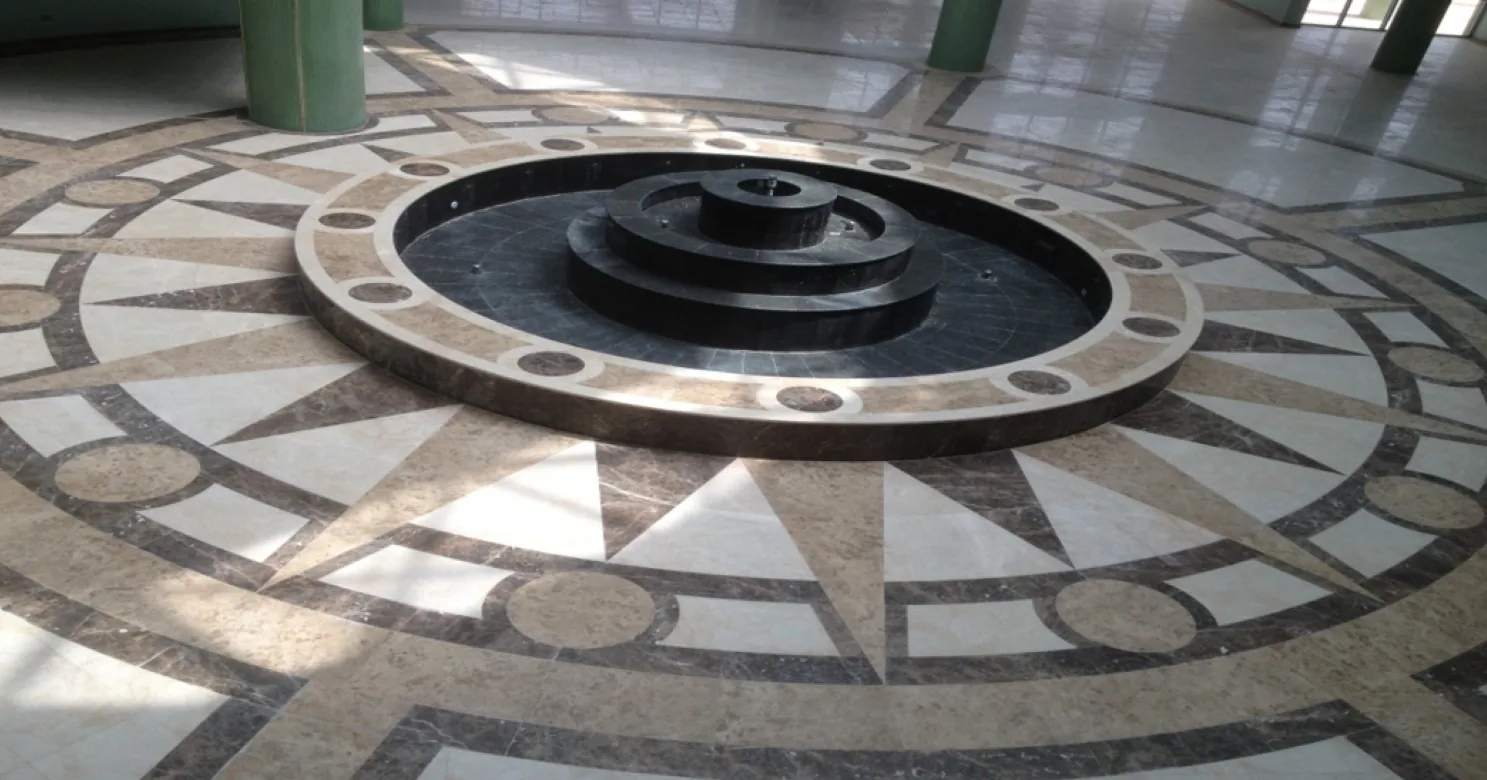
The Kingdom's dairy capital — and our largest Riyadh Region project outside the capital itself.
1 project delivered
Huraymila
Riyadh Region
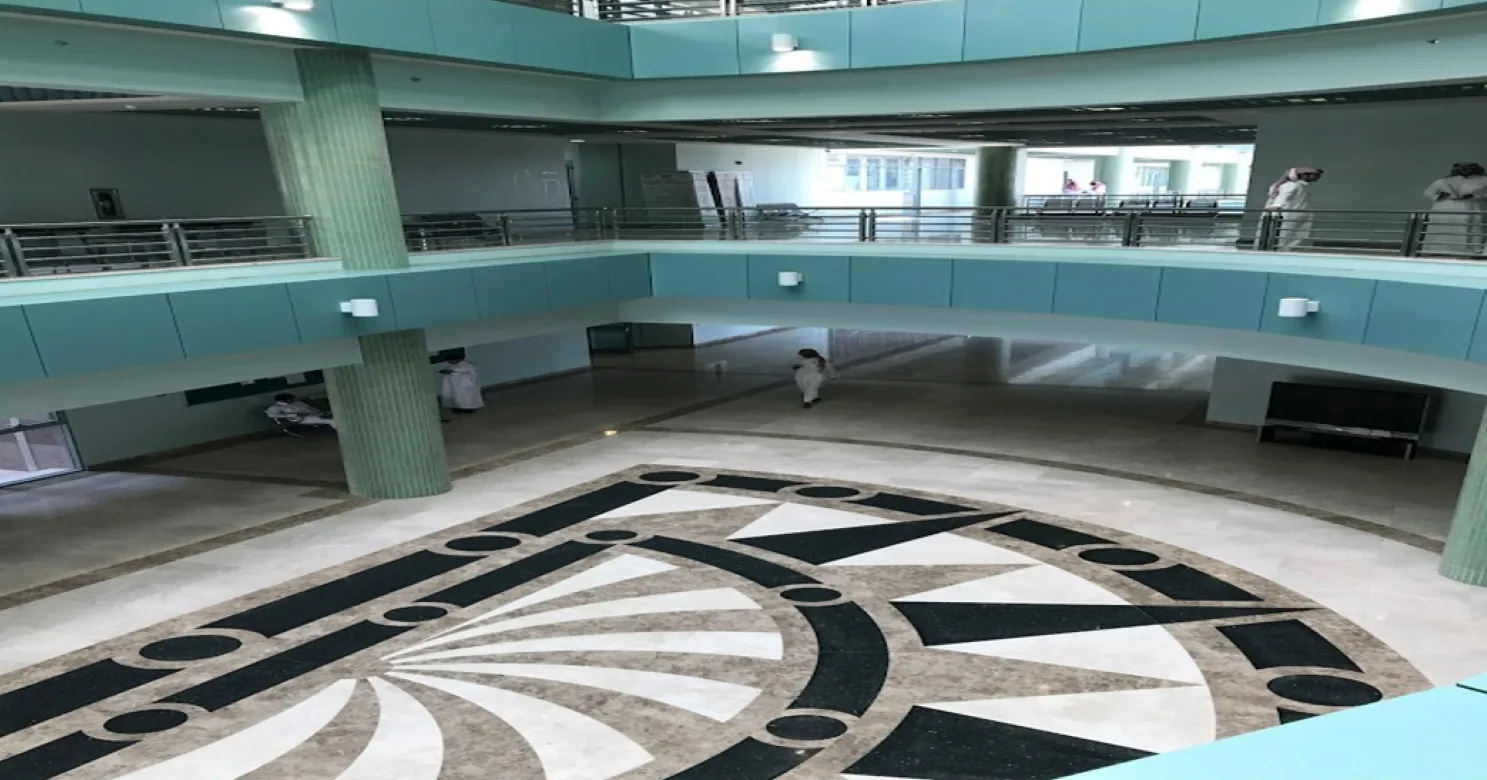
A college campus finishing scope, part of our wider Riyadh Region higher-education work.
1 project delivered
Muzahmia
Riyadh Region
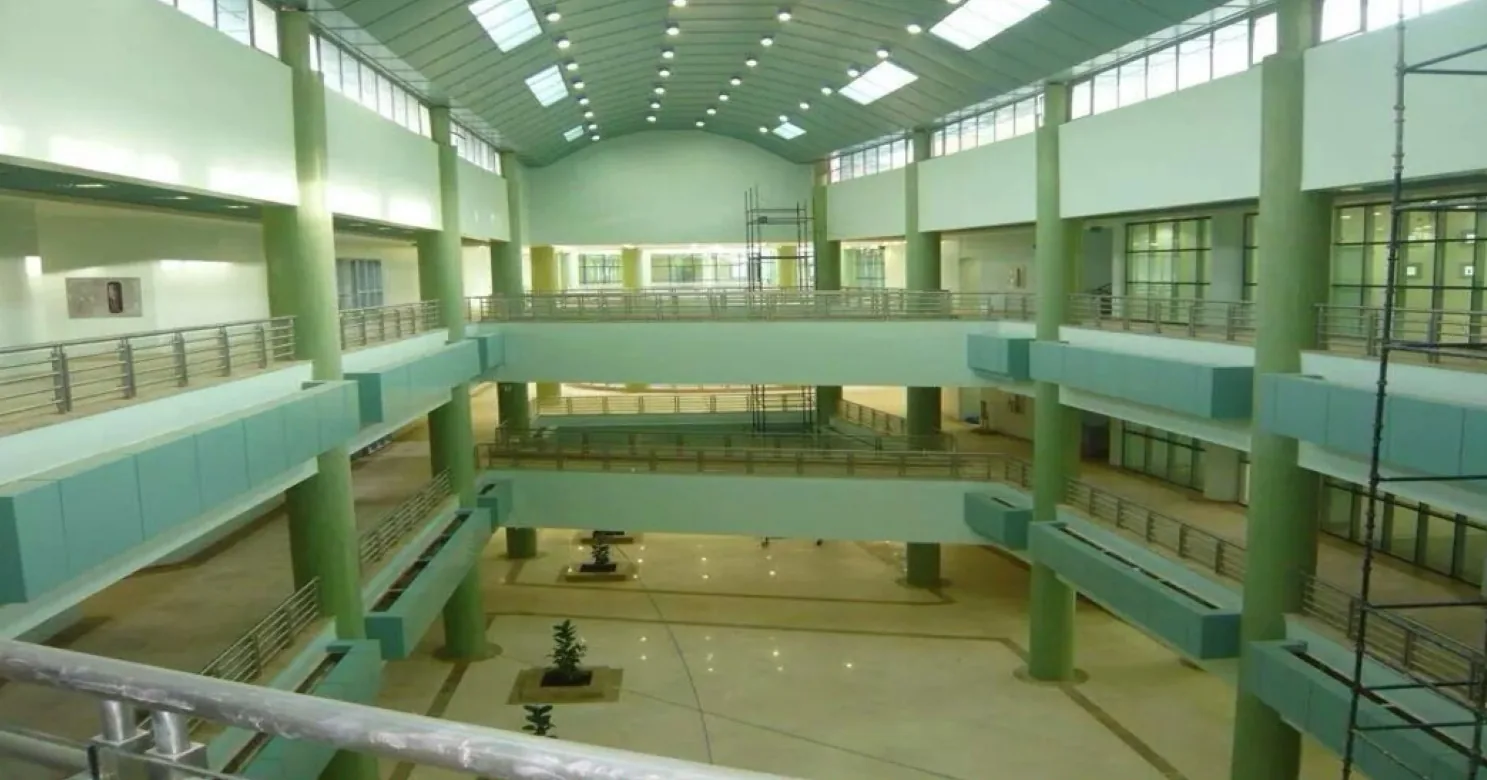
A university campus finishing scope, on the Riyadh–Mecca Highway corridor west of the capital.
1 project delivered
Projects that evidence this trade
Government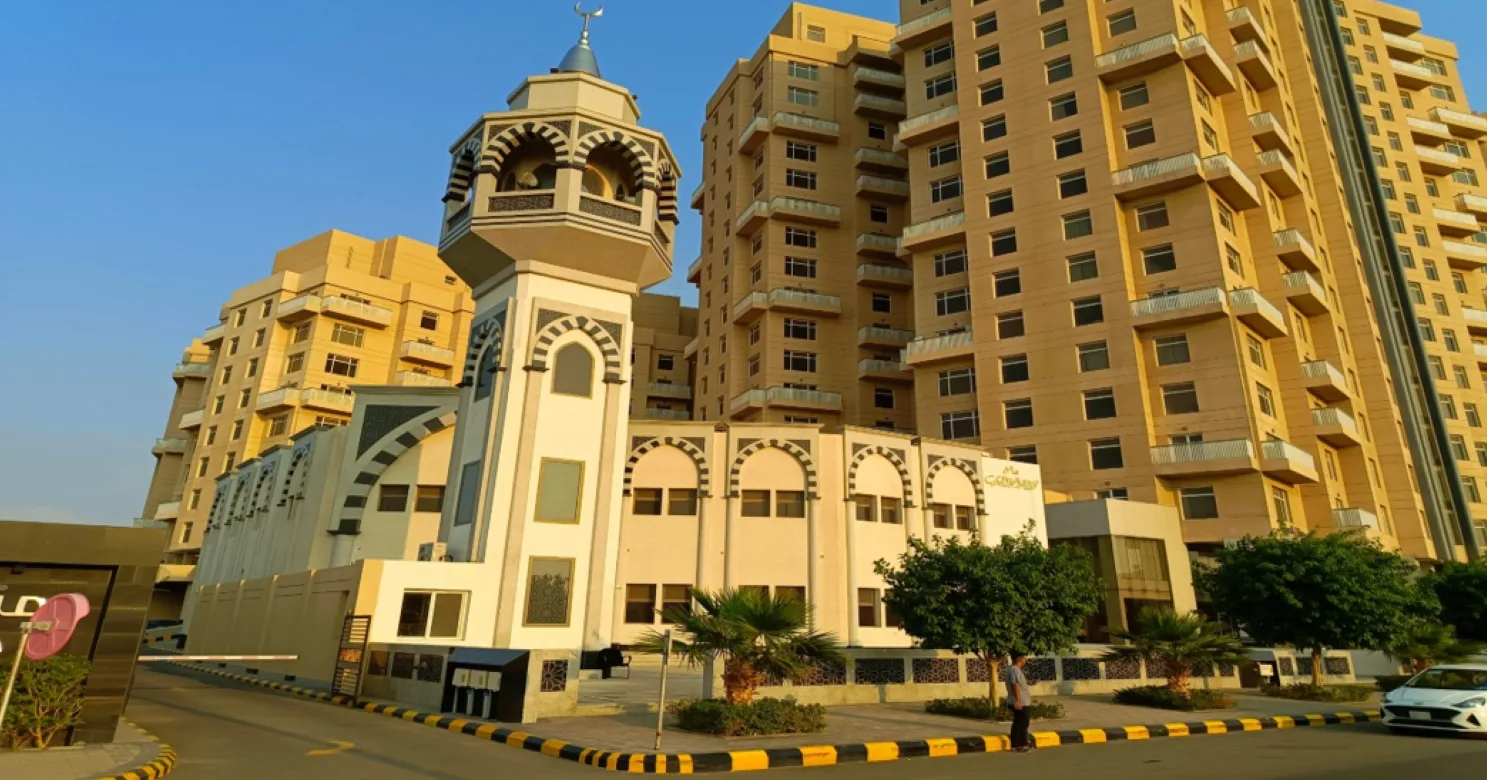 CommercialGovernment
 Residential
Related reading
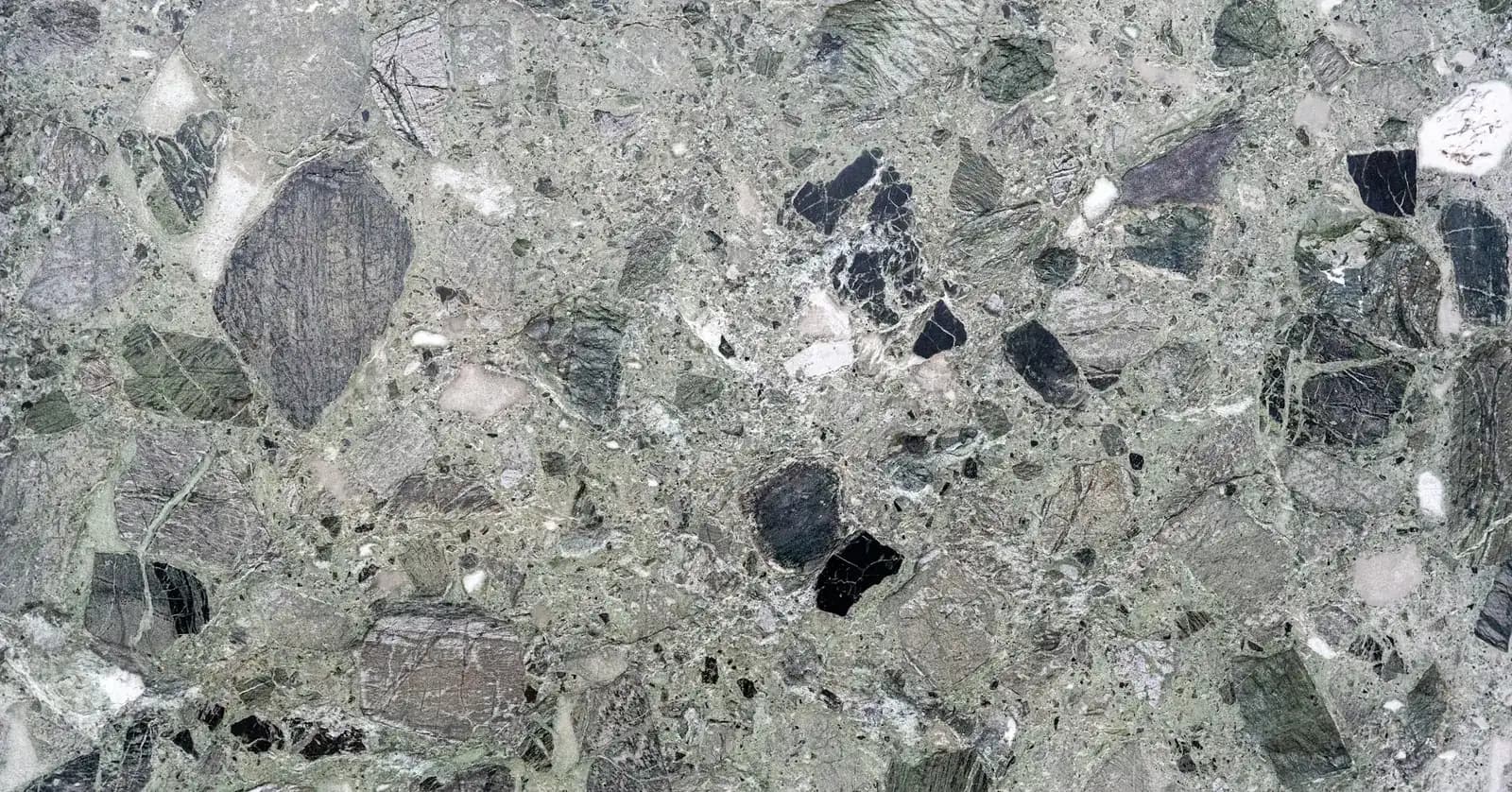
Terrazzo vs Granite Cladding: Which Is Right for Your Facade?
Granite cladding and wash terrazzo compared honestly — cost, durability, design flexibility and maintenance — so you can match the material to the facade.
Read more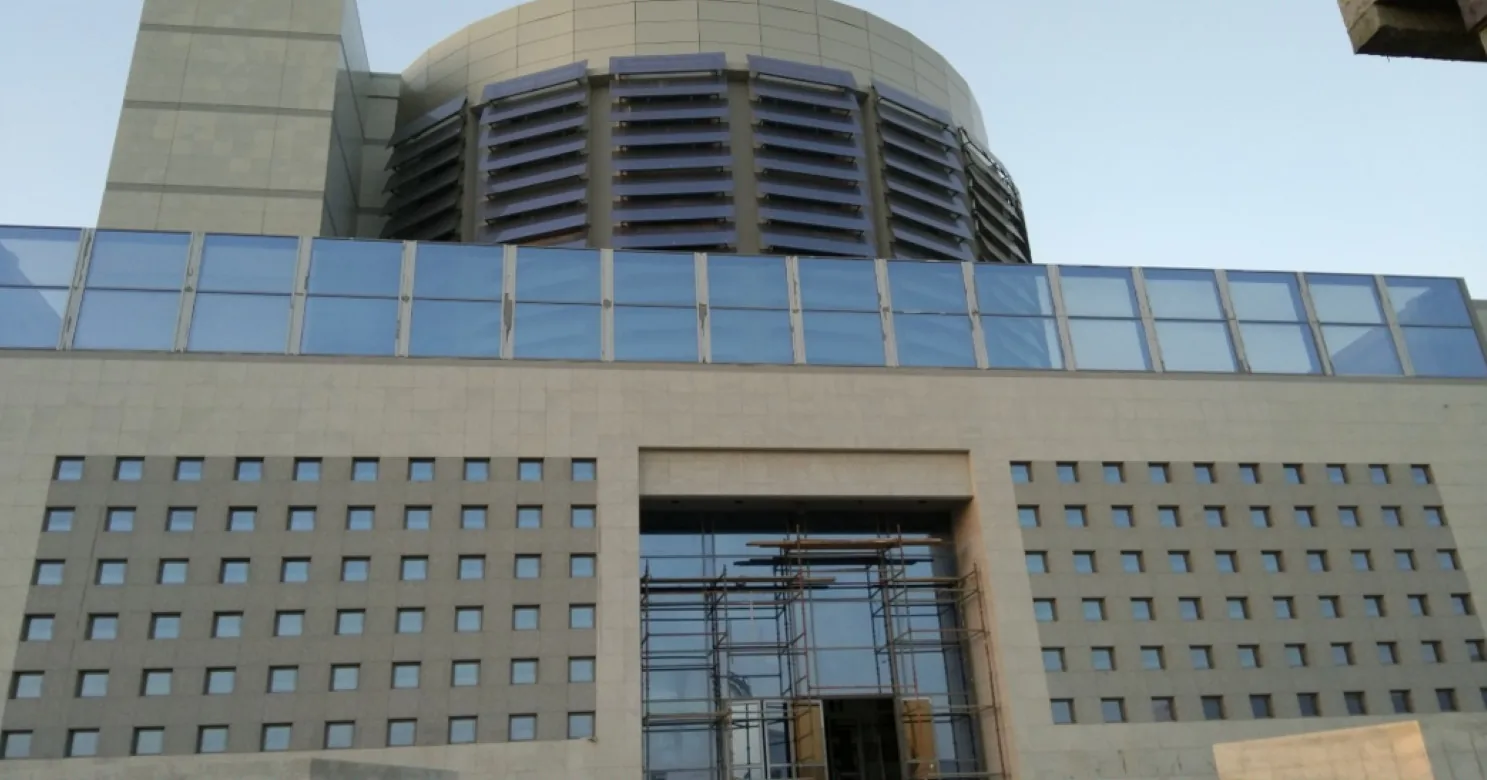
Finishing a Government Institution: The Institute of Public Administration Project
How Ashlaar delivered architectural finishing and an external granite cladding system for the Institute of Public Administration, a flagship Jeddah project.
Read moreFrequently asked
Granite or marble — which is right for an exterior?
Granite, in almost every case — it's denser and more weather-resistant, which is why it's the default for external cladding. Marble is used more for interior features and feature walls where it isn't exposed to the same weathering.
Is external cladding just glued on?
Not on any panel of real size or height. External cladding is mechanically fixed back to the structure with cramps and anchors, with adhesive used only where the application and panel size genuinely allow it — usually smaller internal work.
Do you handle both interior and exterior cladding on the same project?
Yes — it's specified and sequenced as one scope, with the fixing method and material chosen per elevation rather than applying one approach across the whole building.
What's the actual failure risk if cladding is fixed incorrectly?
On an external elevation, a fixing failure is a safety issue, not just a cosmetic one — panels can crack or come loose over time if the fixing system, thermal-movement allowance or panel sequencing wasn't right from the start.
How is thermal expansion handled in a large cladding run?
Expansion joints and movement allowance are built into every run at the fixing-design stage, sized to the panel and elevation, rather than left for sealant to absorb after installation.
Is every panel inspected before it's considered finished?
On our government and institutional projects, yes — panels are checked by our support-engineering team as part of the process before being signed off, not spot-checked at random.
Why do some marble panels stain after installation?
Marble is porous and reacts with moisture and whatever sits behind it. Grey cement adhesive, water carrying rust from carbon-steel fixings and damp backgrounds are the usual causes. Avoiding them means an adhesive matched to the stone, stainless steel fixings, a dry background and any back treatment the stone supplier recommends.
Should spare panels be kept for future repairs?
Yes. Natural stone varies from block to block, so a panel ordered years later rarely matches. Ask for spare panels from the same batch, cut and stored, and record which batch went to which elevation.
What condition does the structure need to be in before cladding can start?
The concrete or blockwork must be within the line and level tolerance the cladding design allows, with sound positions for anchors, and there must be safe access for scaffolding or platforms. The cladding design should state the tolerance it needs, and if the structure is outside it, corrections are agreed before stone is cut.
Planning a project? Let's talk finishing.
Tell us about your scope and timeline — our technical team will respond with a clear, considered proposal.