Epoxy Flooring Contractor in Saudi Arabia
Epoxy flooring contractor in Saudi Arabia: floor coatings for parking, plant and back-of-house areas, plus vanity counter works, sealed to specification.
Request a QuoteParking levels, plant rooms and back-of-house areas take a different kind of punishment than the finishes a visitor sees — vehicle traffic, chemical spills, constant cleaning, and concrete dust that a bare or badly-sealed slab keeps shedding indefinitely. An epoxy floor applied over a slab that wasn't properly prepared delaminates in patches within a year, usually starting exactly where the traffic is heaviest. We treat slab preparation as the part of an epoxy floor that actually determines whether the coating stays bonded, not a step to rush through to get to the colour coat.
Our scope covers epoxy floor coating for parking levels, plant rooms and utility areas, and vanity counter works for washrooms and pantries. Floor work follows the same sequence on every project: slab ground or shot-blasted to open the surface and remove laitance, moisture in the slab checked before coating — a common cause of later delamination if skipped — primer and build coats applied to the film thickness the specification calls for, and line-marking and any anti-slip or chemical-resistance additive applied as the final step. Vanity counter work — stone or solid-surface tops with basin cut-outs — is templated against the actual room and fixed level before tiling or wall finishes close in around it.
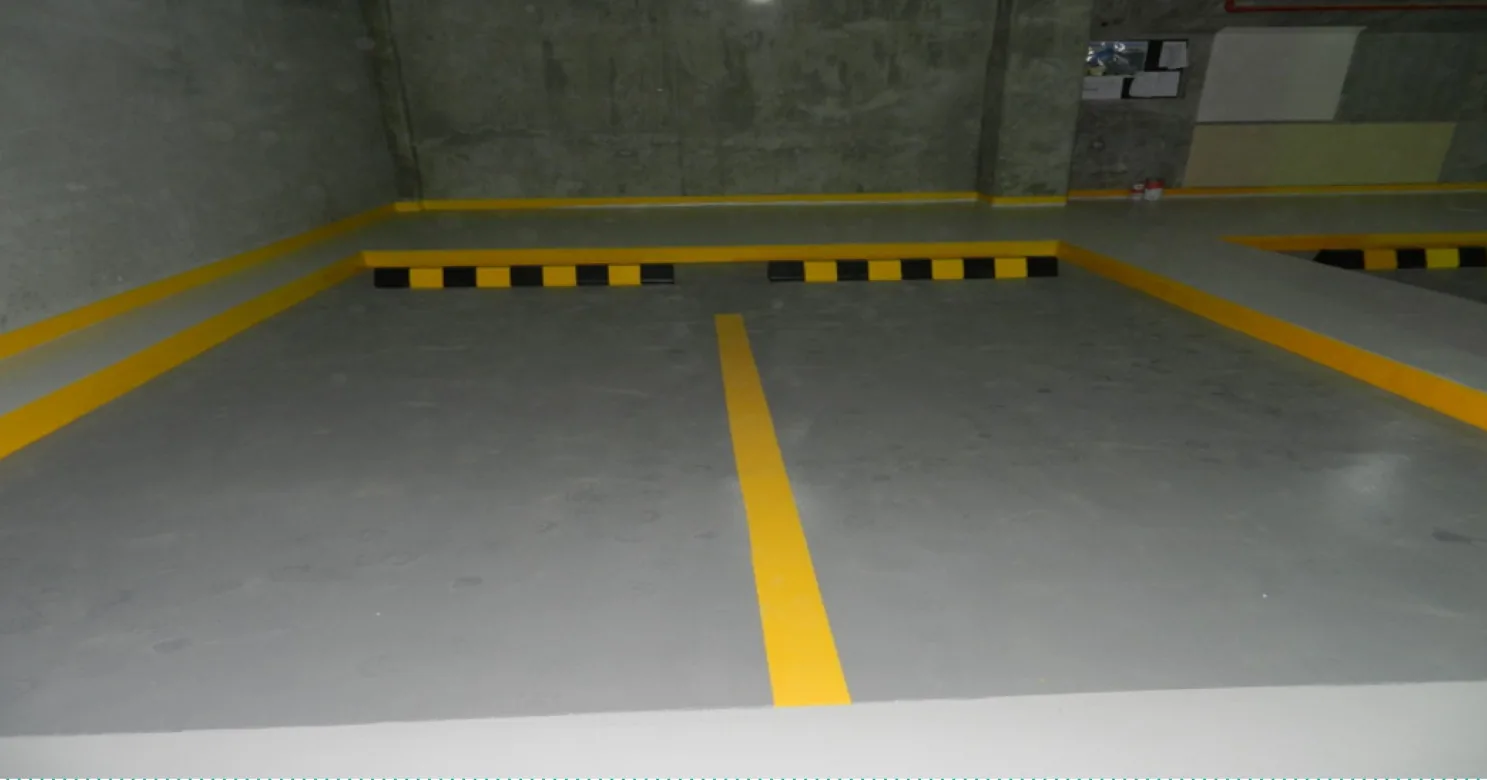
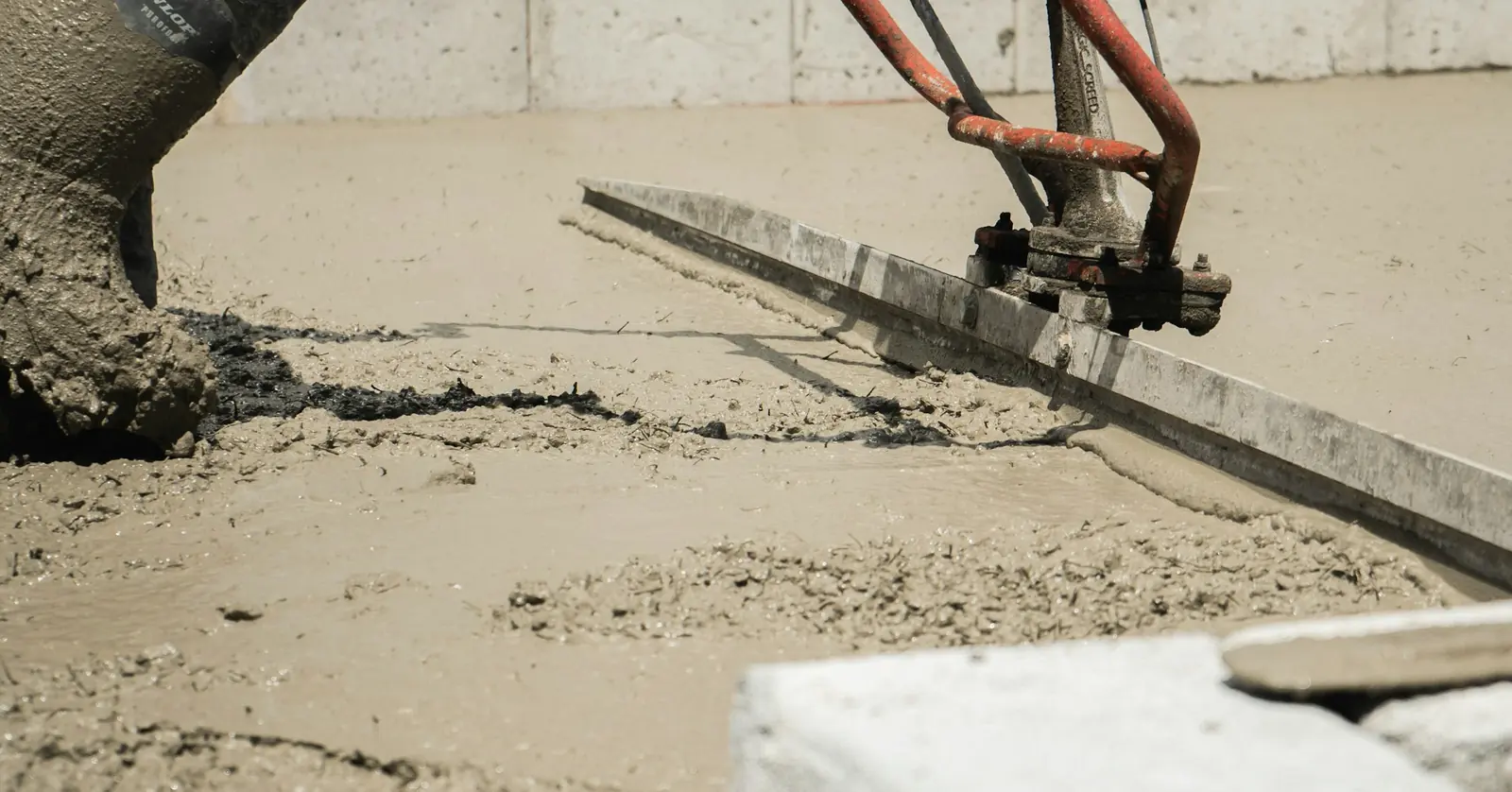
This is scope we've carried across government, commercial and residential work since 2000 — the parking-level epoxy floor shown here is from the Institute of Public Administration in Jeddah, where a sealed, marked floor has to stand up to daily vehicle traffic in a facility used every working day, not just look finished on handover.
Epoxy flooring is scheduled after all overhead and wall trades in that area are complete, since dust and debris from work above compromises a curing coating — and vanity work is coordinated with the plumbing rough-in so basin positions and waste connections line up exactly before the counter is templated.
What's in scope
- Slab preparation, moisture testing and epoxy coating system
- Line-marking and anti-slip/chemical-resistance additives
- Vanity counter templating and fitting
How we deliver this
- 01
Slab preparation
The slab is ground or shot-blasted to open the surface and remove laitance — the step that actually determines whether the coating stays bonded.
- 02
Moisture testing
Moisture in the slab is checked before coating — a common cause of later delamination if it's skipped.
- 03
Primer & build coats
Primer and build coats are applied to the film thickness the specification calls for, not a thinner coat rushed to save material.
- 04
Line-marking & additives
Line-marking and any anti-slip or chemical-resistance additive go on as the final step, once the coating itself has cured enough to take them.
- 05
Vanity templating
Stone or solid-surface vanity tops are templated against the actual room and coordinated with the plumbing rough-in, not measured against a drawing alone.
- 06
Sequencing after overhead trades
Epoxy flooring is scheduled after all overhead and wall trades in that area are complete, since dust and debris from work above compromises a curing coating.
Matching the epoxy system to the area
Epoxy is a family of coatings, not one product. The specification sets the system, but the logic is simple: the heavier the traffic and the harsher the exposure, the more build and preparation the floor needs. For the wider choice between epoxy and tiled floors, see Epoxy Flooring vs Tile: Commercial Flooring Comparison.
| System | Suits | Note |
|---|---|---|
| Thin-film coating | Plant rooms, store rooms and light-traffic areas | Follows the slab surface, so it shows any unevenness in it. |
| Self-levelling build | Areas that need a smooth, seamless, easy-clean surface | Needs a well-prepared, flat slab and is sensitive to bubbles and pinholes. |
| Aggregate-broadcast, anti-slip | Ramps, wash-down areas and wet zones | Grips better, but the texture holds dirt and is harder to clean. |
| UV-stable topcoat over epoxy | Ramps and decks in direct sun | Plain epoxy tends to chalk and change colour in strong sunlight; a UV-stable topcoat, such as polyurethane, holds its colour better. |
Slab and site conditions that decide whether it bonds
Most epoxy failures are decided before the first coat goes on. On a well-run job these conditions are checked and recorded:
- Surface: prepared mechanically by grinding or shot-blasting to remove laitance, curing compound, oil and dust, leaving a profile the coating can grip. Sweeping or washing alone is not preparation.
- Moisture: the slab is tested. Vapour rising from a slab on ground, or from a damp basement, can push a coating off in blisters, so the result is compared with the manufacturer's limit.
- Dew point: the slab must be a safe margin above the dew point when coating, or condensation forms under the film. A cool basement slab in humid air, as in Jeddah, is the classic case.
- Heat: a slab warmed by the sun shortens working time and can release air as it warms, leaving pinholes and bubbles. In Riyadh's summer, coating during the cooler part of the day, while the slab is cooling rather than warming, is the usual advice.
- Humidity: in humid air some epoxies leave a waxy film on the surface, which must be washed off before the next coat will bond.
- Joints and cracks: moving joints stay as joints and are sealed with flexible sealant, never coated over rigidly. See the screeding and expansion-joint scope.
What to check at inspection and handover
- Even colour and gloss, with no missed patches, roller marks, pinholes or craters.
- Film thickness measured at test points against the specification.
- A tap test for hollow or lifting areas, especially at edges, drains and joints.
- Falls run to drains with no ponding, and the anti-slip texture is consistent.
- Line markings and bay numbers match the drawings.
- Traffic and chemical exposure kept off until the manufacturer's stated cure is complete.
What drives programme and cost
Cost and programme follow the slab and the system more than the colour. A slab that needs crack repair or extra grinding, a build with more coats, and the waits between coats and before traffic all add time, and the waits depend on the product and the temperature, so they are taken from the data sheet rather than assumed. Large parking areas are often coated in phases so part of the space can stay in use, which needs clear access routes and clearly marked cure zones. Ask for preparation and the number of coats to be priced separately from the colour coat.
Vanity counters: where the fit is decided
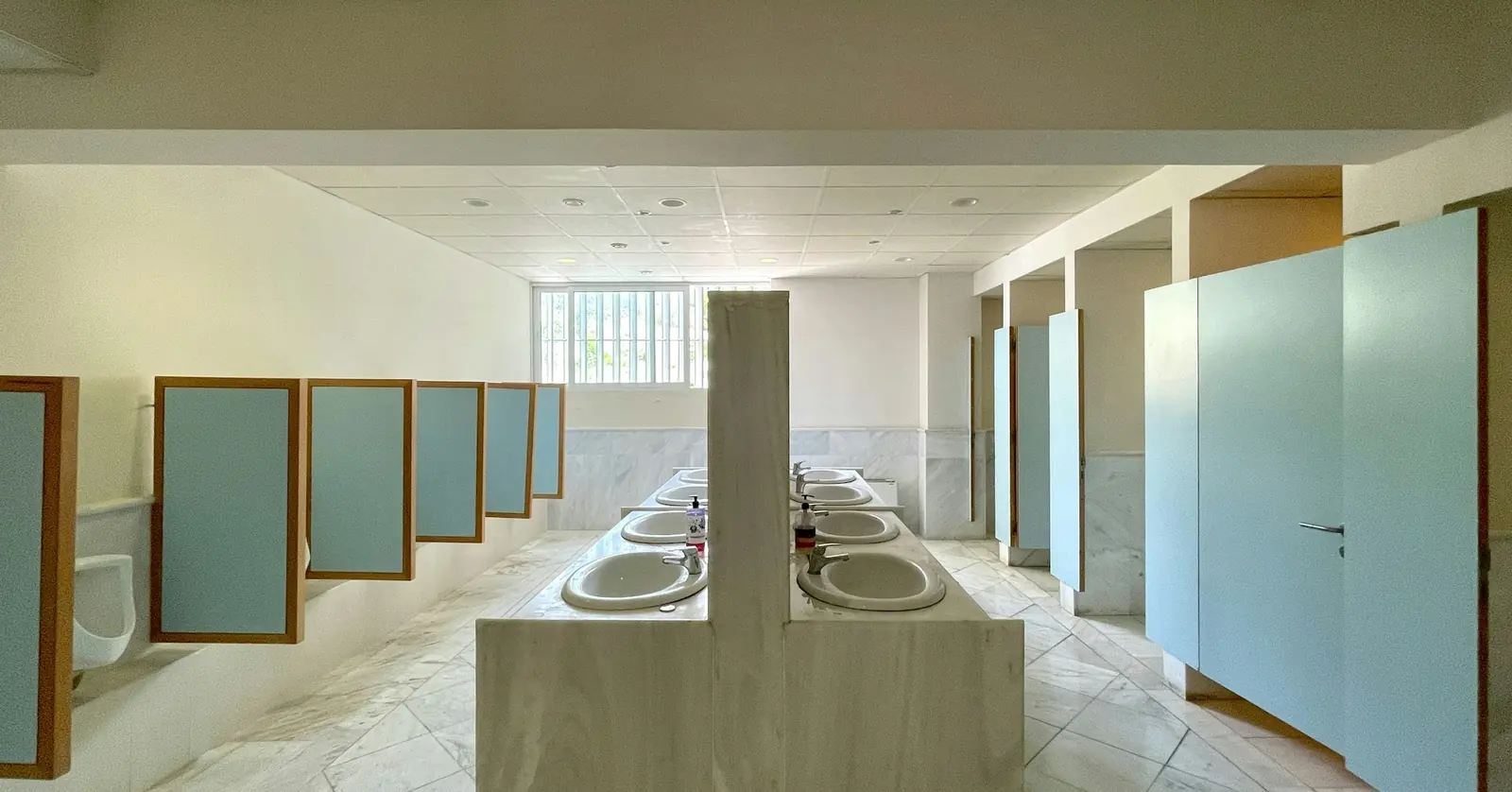
Vanity work is decided by measurement and by what sits behind the counter. Stone, such as granite or marble, and solid-surface are the usual choices. Solid-surface can be jointed almost invisibly and repaired by sanding, while granite resists heat and scratching better than marble, which etches when acid touches it. The counter is templated after the walls and the plumbing rough-in are in place, with basin cut-outs supported and their edges sealed, and the joint to the wall is sealed with sanitary sealant. The partitions in the same washroom are covered under phenolic cubicles.
From our projects
What's handled by another capability
- Structural slab construction — see Concrete Structures
- Plumbing rough-in for vanity basin connections — see Plumbing Works
- Decorative flooring — marble, ceramic, porcelain — see Flooring
Materials & systems
- Epoxy primer & build coat systems
- Anti-slip & chemical-resistance additives
- Line-marking paint
- Stone or solid-surface vanity countertop material
Where we deliver this
 Head office
Jeddah
Makkah Region
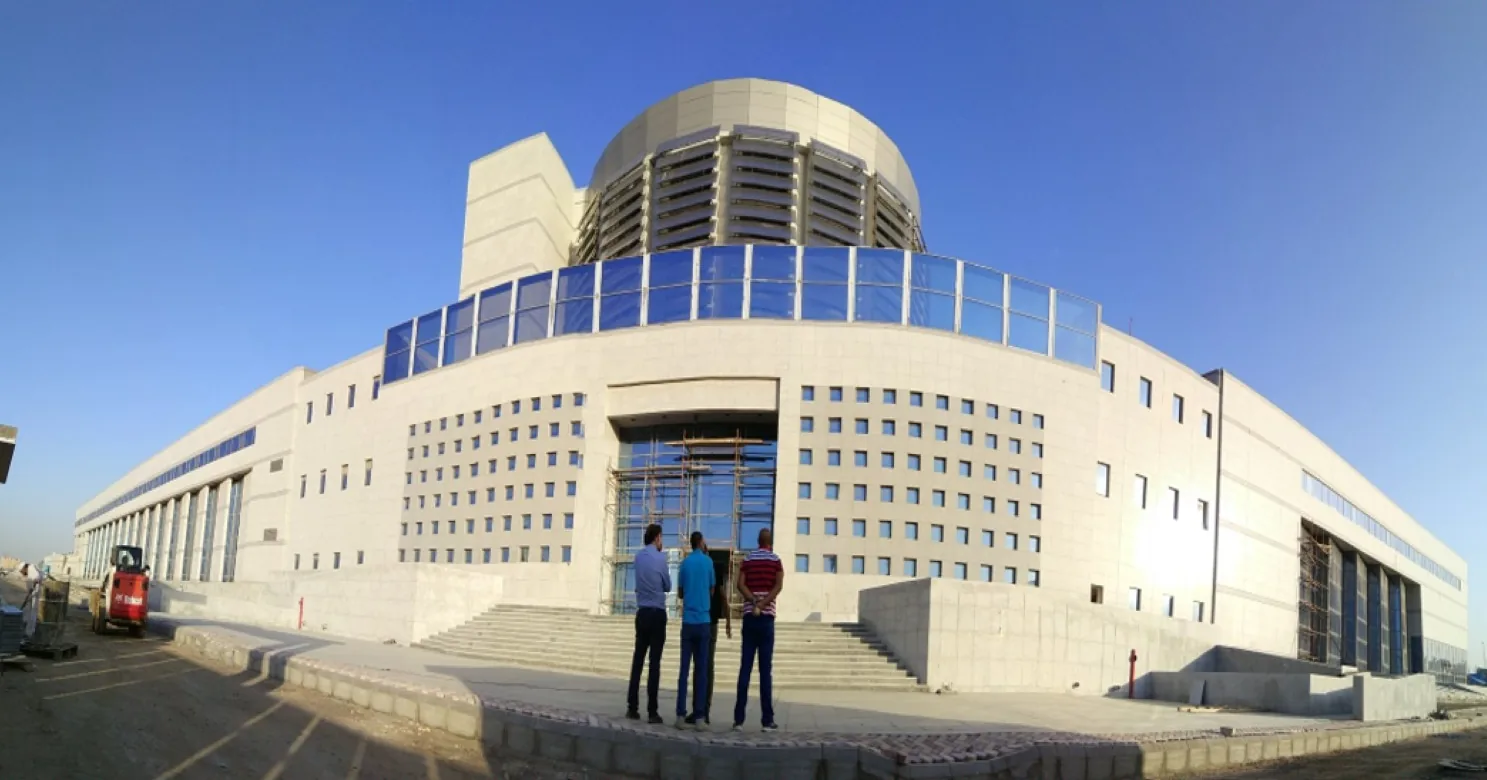
Ashlaar's head office, and the largest share of our project record.
7 projects delivered
Riyadh
Riyadh Region
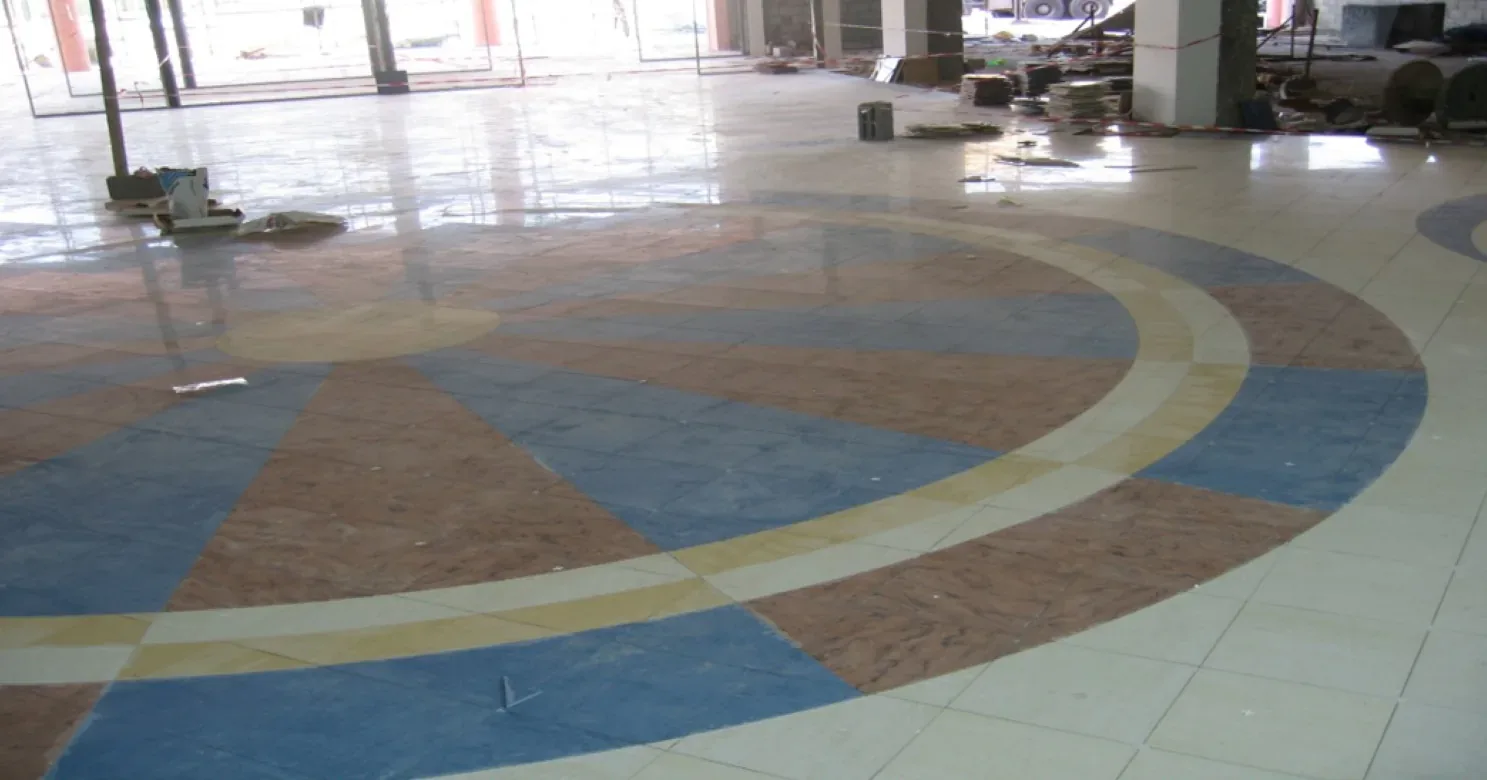
Our largest project base outside Jeddah.
6 projects delivered
Dammam
Eastern Province
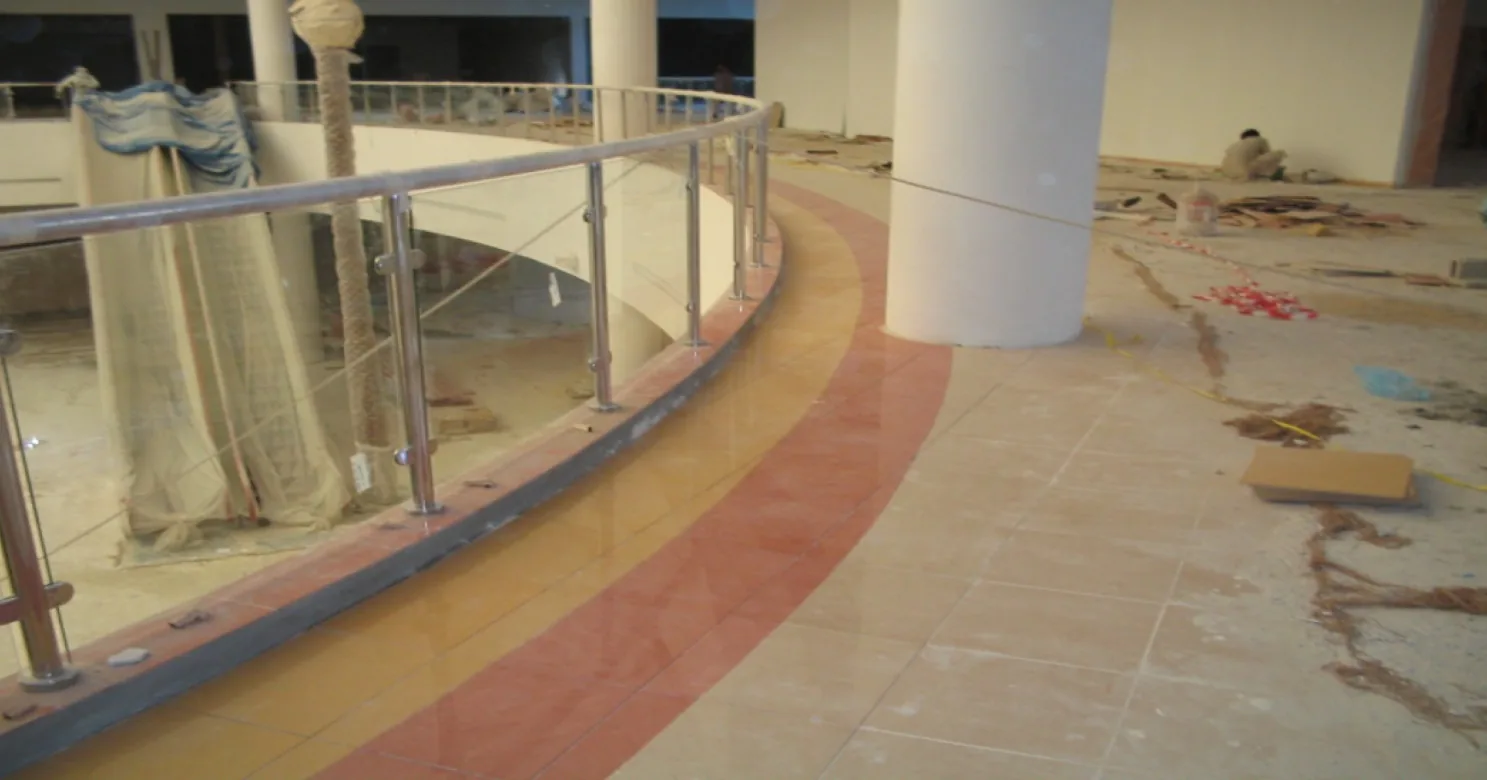
Interior finishing and flooring for a retail development.
1 project delivered
Al Ahsa
Eastern Province
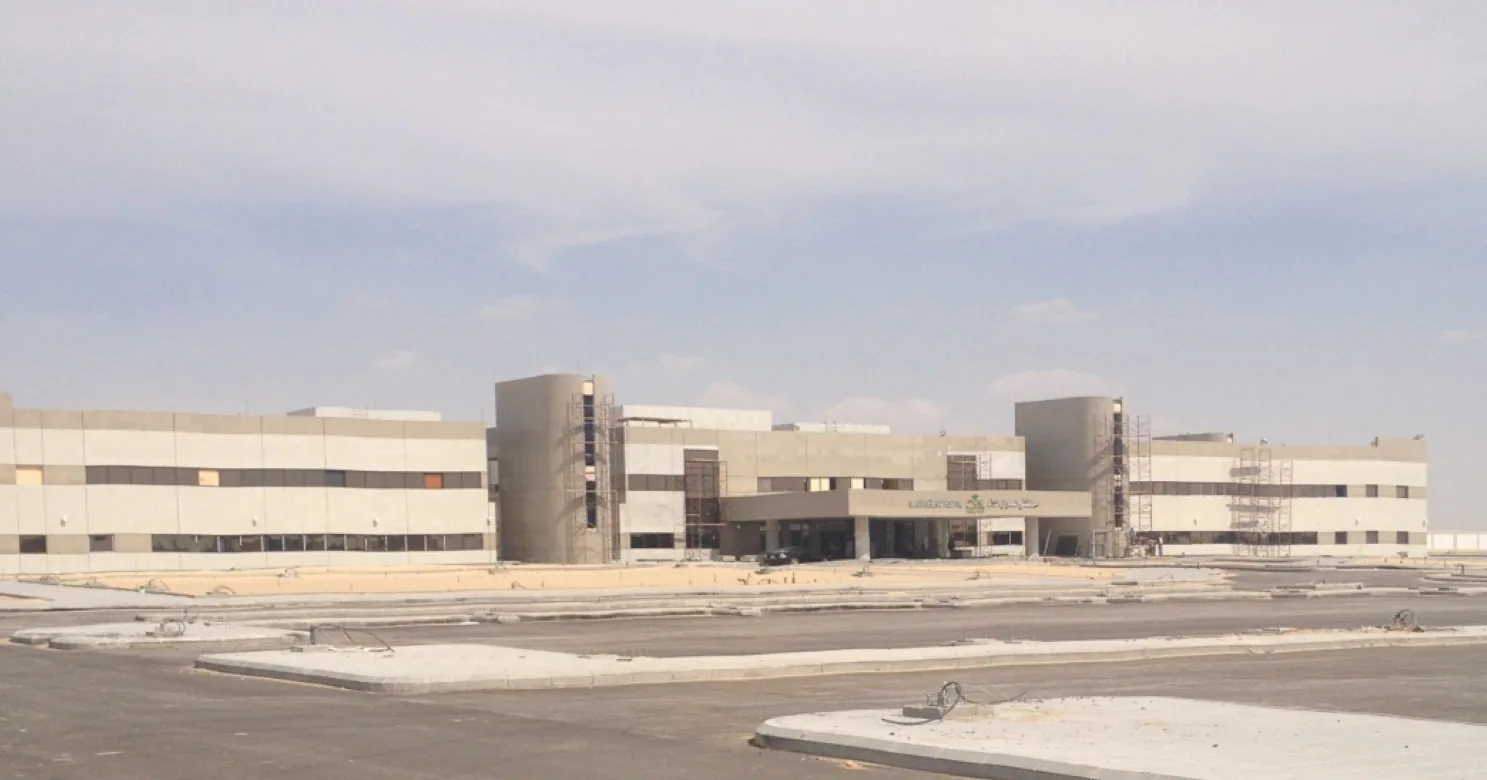
Architectural finishing for a healthcare facility.
1 project delivered
Al Kharj
Riyadh Region
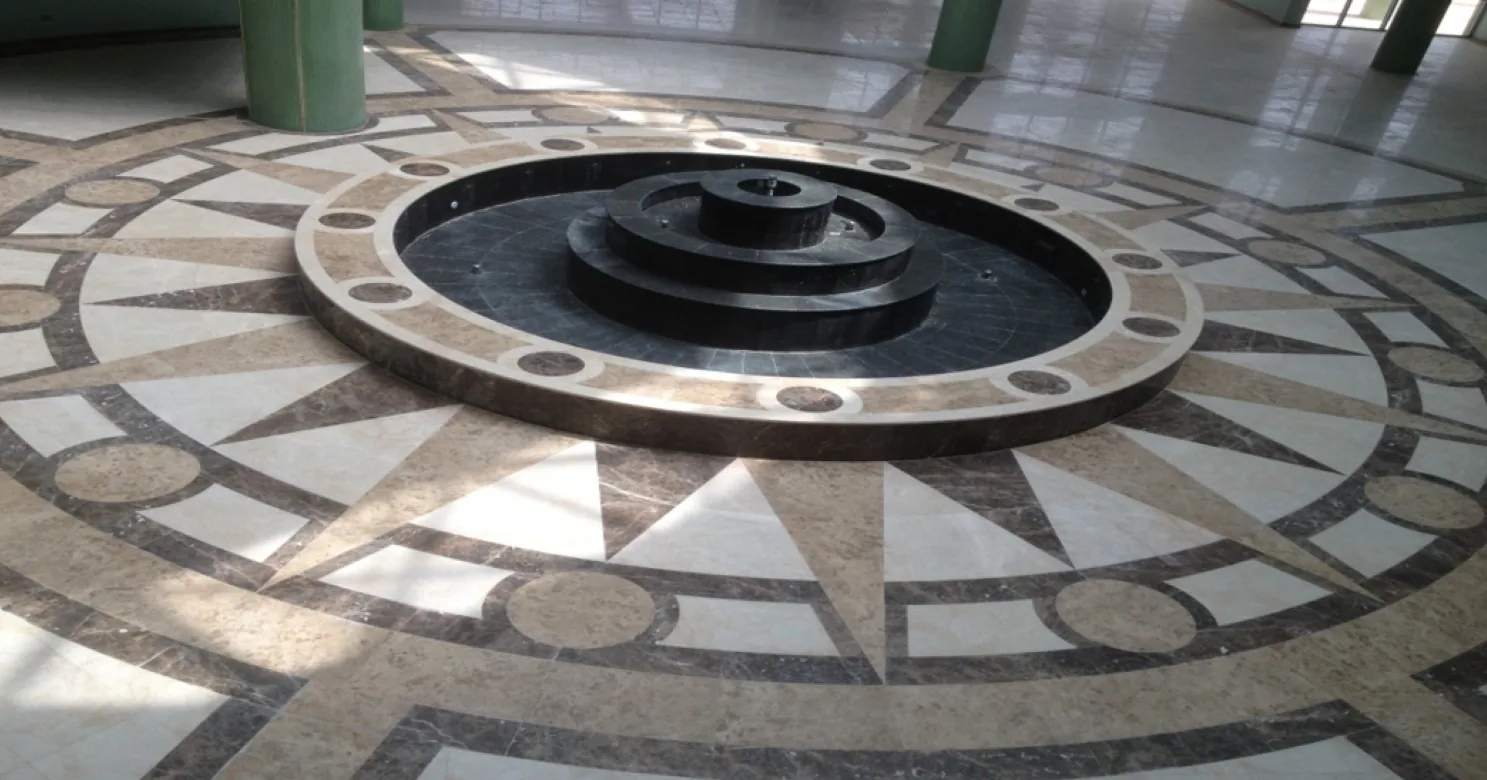
The Kingdom's dairy capital — and our largest Riyadh Region project outside the capital itself.
1 project delivered
Huraymila
Riyadh Region
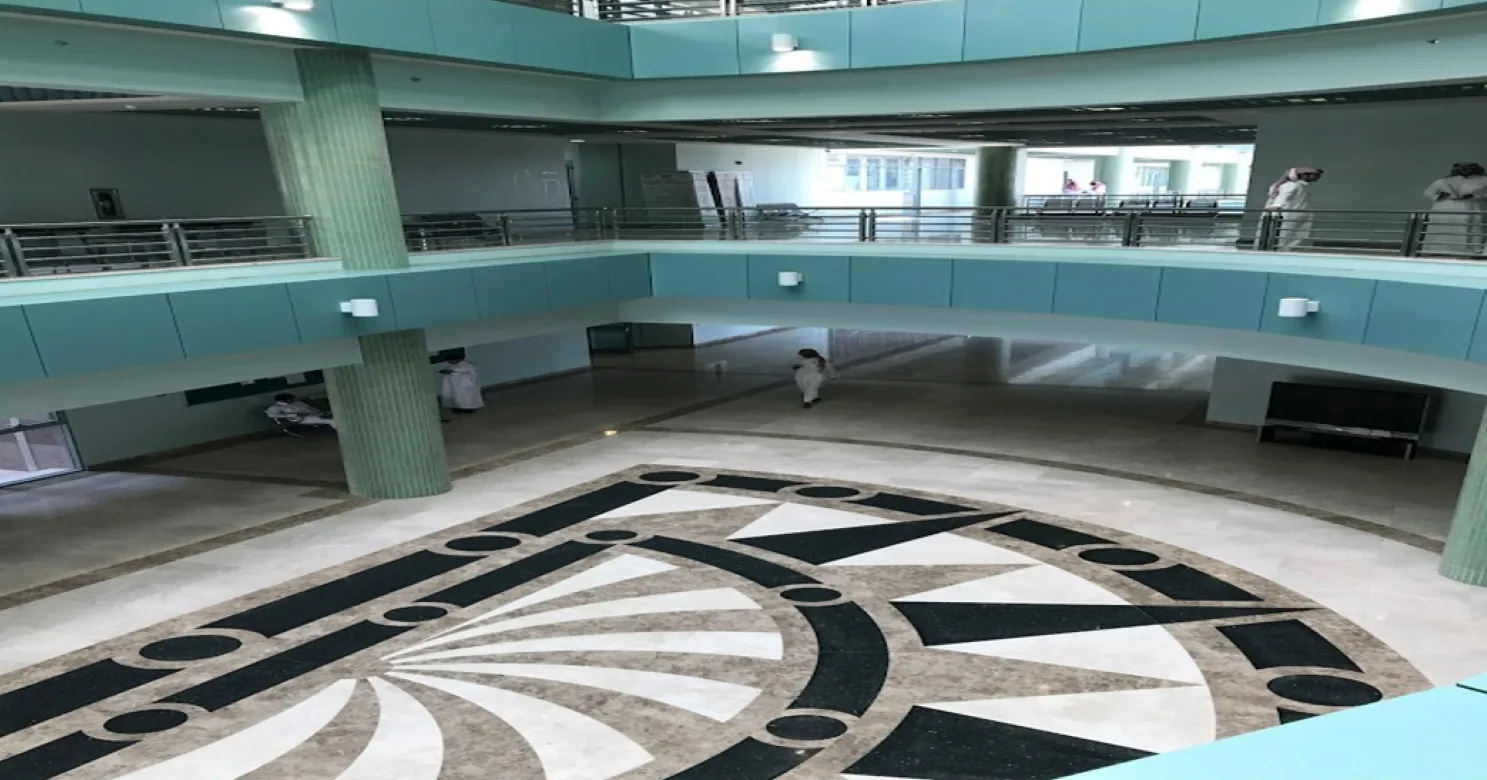
A college campus finishing scope, part of our wider Riyadh Region higher-education work.
1 project delivered
Muzahmia
Riyadh Region
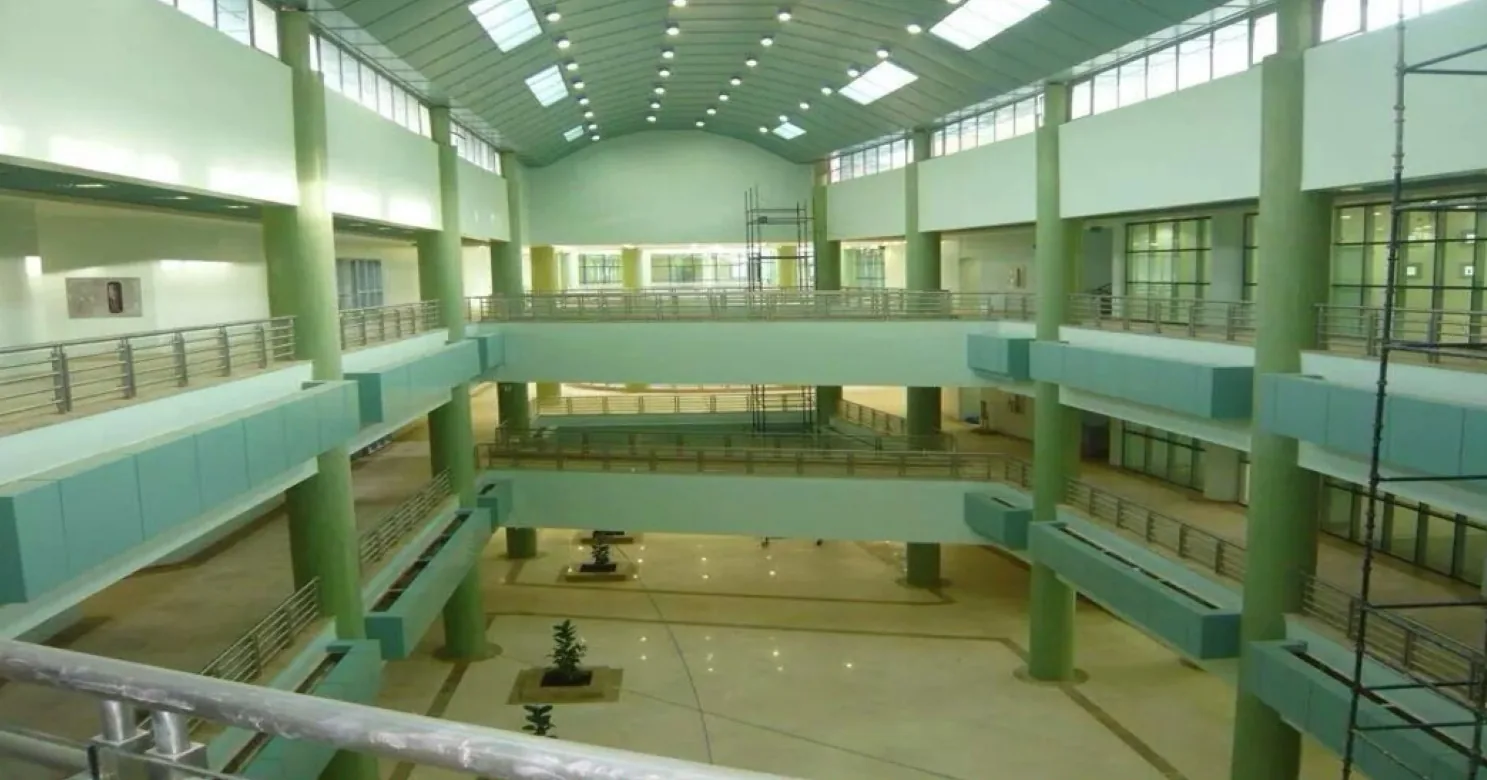
A university campus finishing scope, on the Riyadh–Mecca Highway corridor west of the capital.
1 project delivered
Related projects in Architectural Finishing
GovernmentGovernmentGovernmentRelated reading
Epoxy Flooring vs Tile: Commercial Flooring Comparison
Epoxy and tile flooring compared for commercial spaces — parking, warehouses, retail and kitchens — on cost, durability, maintenance and repair.
Read more
Marble vs Porcelain Flooring: Cost, Durability & Maintenance
Marble and porcelain flooring compared on real cost, durability and maintenance — with a genuine look at where each one is actually worth choosing.
Read moreFrequently asked
What areas do you apply epoxy flooring to?
Parking levels, plant rooms, back-of-house and utility areas — anywhere that needs a sealed, durable, easy-to-clean floor rather than a decorative finish.
How long does an epoxy floor take to cure before it can take traffic?
It depends on the system and ambient conditions — our technical team will confirm light-foot and full-traffic timings as part of the schedule, since walking on an undercured coating damages it.
Do you supply vanity counters as well as the epoxy flooring?
Yes, vanity counter works — stone or solid-surface tops templated and fitted to the room — are scoped as part of the same washroom and back-of-house finishing package.
Why does epoxy flooring get scheduled last in an area, rather than alongside other trades?
Because dust and debris from overhead and wall trades still working in that area compromises a curing coating — epoxy flooring goes in once everything above and around it is complete, not before.
What usually causes an epoxy floor to delaminate?
Slab preparation skipped or rushed — grinding or shot-blasting to open the surface and checking moisture in the slab before coating are what determine whether the coating stays bonded, not the colour coat itself. Most delamination we see on other sites traces back to a slab that wasn't properly prepared.
Is vanity counter work coordinated with the plumbing, or measured independently?
Coordinated — vanity work is sequenced with the plumbing rough-in so basin positions and waste connections line up exactly before the counter is templated, not measured against a drawing that might not match what was actually installed.
Can epoxy flooring be used on ramps or in direct sunlight?
It can, but a plain epoxy topcoat is not stable in strong sun: it tends to chalk and change colour over time. Sun-exposed areas are usually finished with a UV-stable topcoat, such as polyurethane, over the epoxy build. Say at specification stage which areas see direct sun, so the topcoat is chosen for them.
How is slip resistance balanced against ease of cleaning on a ramp?
The two pull against each other: a rougher, aggregate-textured surface grips better when wet but holds dirt and is harder to clean, while a smooth surface cleans easily but can be slippery. Ramps and wet areas normally get more texture than flat bays. The level of slip resistance required is set by the consultant, and the cleaning method should be agreed with the facility operator at the same time.
What is done about cracks and joints in the slab before coating?
Cracks are opened, cleaned and filled with a repair material suited to them, and active cracks are treated differently from static hairline ones. Joints in the slab are not coated over rigidly: they stay as movement joints filled with flexible sealant, because a rigid coating bridging a moving joint cracks along it. Joint positions on the drawings and in the slab should match.
More from Architectural Finishing
Planning a project? Let's talk finishing.
Tell us about your scope and timeline — our technical team will respond with a clear, considered proposal.