
Construction Quality & Safety Supervision in Saudi Arabia
Quality and safety supervision on Saudi Arabia construction projects — inspection and sign-off built into the programme, not a final walkthrough.
Request a QuoteQuality problems and safety incidents share the same root cause more often than not — nobody was specifically responsible for catching the issue before it became one. A trade moves on to the next task before the previous one is checked, a site condition gets normalized because nobody flagged it the first time, and the cost of both shows up later: rework that could have been a five-minute correction, or worse, an incident that a walkthrough would have caught. Quality and safety that live only in a final inspection before handover are too late to be useful. Both compound the same way over a programme — a trade that's allowed to cut a corner once tends to cut it again, because nothing corrected the assumption that it would be caught if it mattered.
Our quality and safety scope covers inspection and sign-off built into the programme at each trade handover, not only at project milestones, alongside site safety supervision covering the conditions and practices that prevent incidents rather than just documenting them after the fact. Work that doesn't meet specification gets flagged and corrected before the next trade builds on top of it — waterproofing before it's covered, reinforcement before it's poured, containment before a ceiling closes over it. Safety supervision covers the practical conditions that cause incidents on a live site — scaffolding, edge protection, housekeeping and material storage — checked as a routine part of the programme rather than only after an inspector's visit is announced.
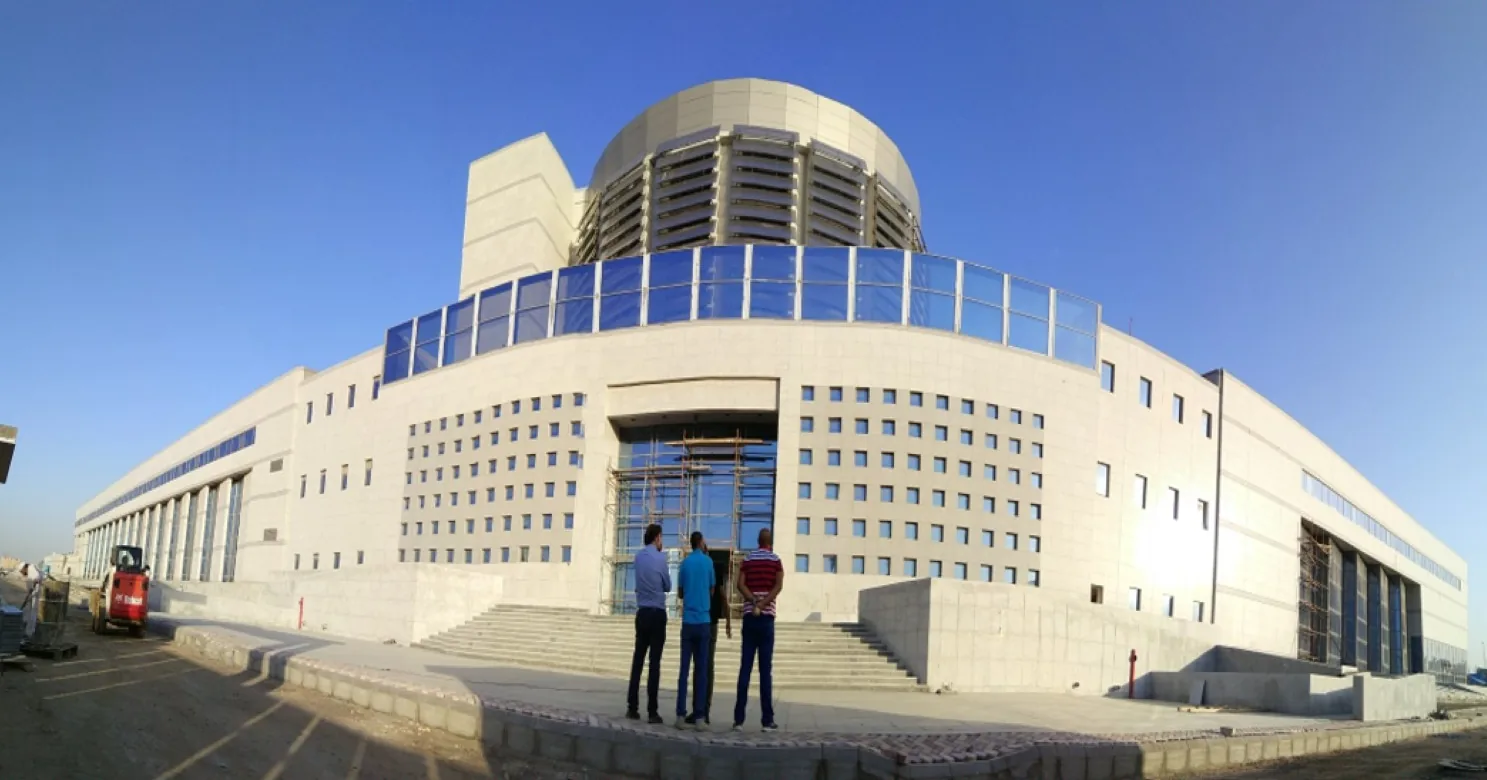
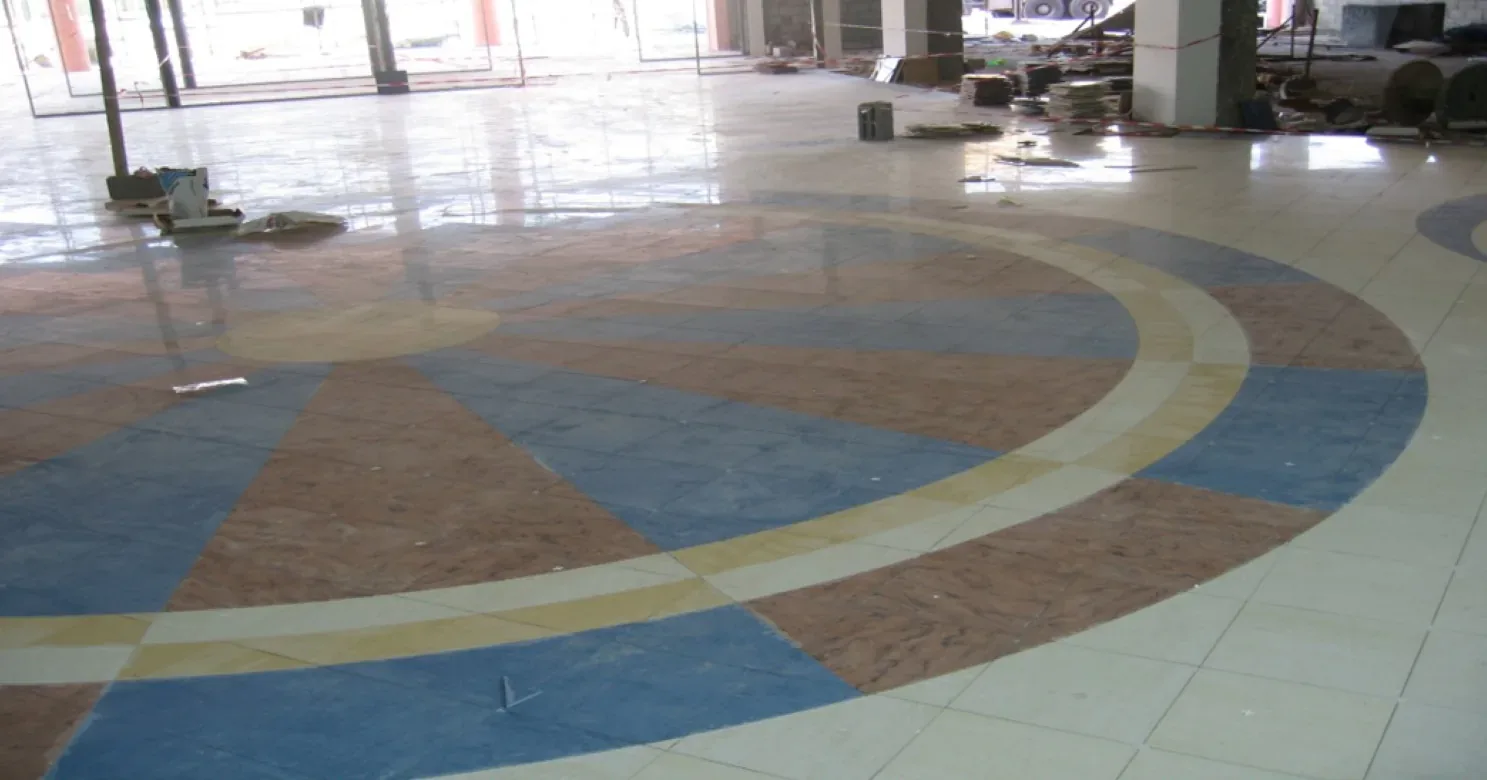
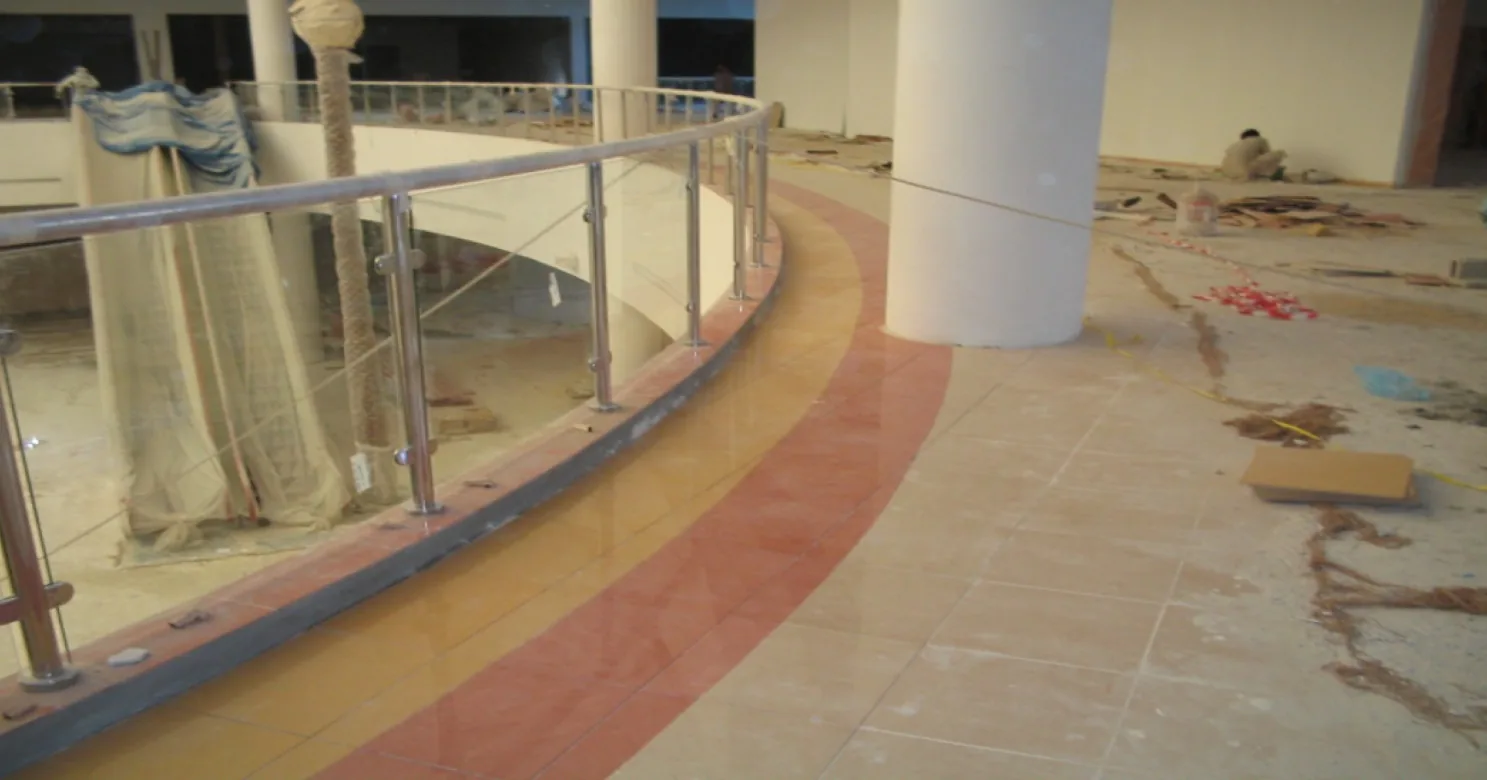
This is the standard we hold every project to, including hospital-scale finishing work like Omron General Hospital in Al Ahsa, where quality supervision sits alongside a finishing standard with less tolerance for a defect than almost any other building type. The same support-engineering team applies that standard whether the project is a government hospital or a private villa.
Quality and safety supervision on an Ashlaar project runs continuously through the programme, alongside project management and technical services on the same support-engineering team, rather than as a separate audit that arrives after the work is already done.
What's in scope
- Inspection and sign-off at each trade handover
- Site safety supervision — scaffolding, edge protection, housekeeping, material storage
- Non-conformance flagging and correction before the next trade proceeds
How we deliver this
- 01
Handover-point inspection
Inspection and sign-off are built into the programme at each trade handover, not only at project milestones.
- 02
Pre-cover checks
Work that becomes hard to correct once covered — waterproofing, reinforcement, containment — is checked before it's built over.
- 03
Non-conformance correction
Work that doesn't meet specification is flagged and corrected before the next trade builds on top of it.
- 04
Routine safety checks
Scaffolding, edge protection, housekeeping and material storage are checked as a routine part of the programme.
- 05
Continuous supervision
Quality and safety supervision runs continuously through the programme, not as a separate audit that arrives after the work is done.
- 06
Consistent standard across project types
The same support-engineering team applies the same standard whether the project is a government hospital or a private villa.
Hold points: what gets checked before it is covered
Quality supervision works through an inspection and test plan, which lists for each activity what will be inspected, against which document and at what stage. Three kinds of checkpoint are common: a hold point, where work must stop until the inspection is passed; a witness point, where the inspector is invited to attend but work may proceed if they do not; and routine surveillance. Anything that becomes invisible or costly to correct once covered belongs at a hold point.
- Formwork and reinforcement before concrete is poured. See Concrete Structures.
- Waterproofing membranes and their tests before screed or tiles. See Wet-Area Waterproofing.
- Concealed electrical and plumbing work, tested before walls and ceilings close. See Electrical Works and Plumbing Works.
- Ceiling framing and the services above it, before boarding. See Ceiling Systems (All Types).
- Substrates before plaster, screed or flooring, checked for condition and cleanliness against the product data sheet. See Plastering (Internal & External).
Tolerance for defects is tighter still in healthcare buildings, as the finishing scope at Omron General Hospital illustrates.
How an inspection is recorded and closed
- 01
Inspection request
The trade asks for inspection in writing, states the location and confirms it has checked its own work first.
- 02
Inspection
The work is checked against the approved drawings, the specification and the manufacturer's data sheet, using the relevant checklist.
- 03
Outcome
The result is recorded as accepted, accepted with comments or rejected, with the date and the inspector's name.
- 04
Non-conformance report
A rejected item is described with its location, a photograph, the likely cause and the corrective action agreed.
- 05
Re-inspection and close-out
The correction is inspected again, and the report closes only when the fix is verified. Repeated defects point to a cause that needs fixing, not only the symptom.
Ashlaar's published scope places inspection and sign-off at each trade handover, and treats work that does not meet the specification as something to correct before the next trade builds on it.
The site safety conditions behind most incidents
Most incidents in finishing work come from a small set of ordinary conditions, and those are what routine supervision should check.
- Work at height: scaffolds and mobile towers inspected before use, edge protection at slab edges and shafts, and covers over floor openings
- Housekeeping: clear access routes, waste removed, and no cables or hoses across walkways
- Temporary electrics: site boards in good order, with cables kept off wet floors and protected by suitable devices
- Material storage: boards, stone, glass and cladding stacked so they cannot fall, with flammable products stored apart
- Enclosed spaces: ventilation while working with solvent-based or resin products, and permits for hot work
- Heat: shade, water and rest for outdoor and roof work, with tasks timed around the authorities' summer midday restrictions
Supervision only helps if findings are closed out. Each safety observation needs an owner and a re-check, in the same way a non-conformance does, and a condition that keeps recurring should change the method of work, not just prompt another reminder.
What owners and consultants should ask to see
- The inspection and test plan for the trades in the package
- Completed inspection records, and a register of non-conformance reports showing open and closed items
- The site safety plan, with method statements and risk assessments for high-risk activities such as work at height
- Records of safety inspections and how each finding was closed
- How incidents and near-misses are reported and reviewed
What's handled by another capability
- Programme scheduling and tracking — see Project Management & Scheduling
- Shop drawing review and submittal management — see Technical Services Department
- Third-party statutory certification — confirmed with the relevant authority per project, not issued by this function
Where we deliver this
 Head office
Jeddah
Makkah Region
Ashlaar's head office, and the largest share of our project record.
7 projects delivered
Riyadh
Riyadh Region
Our largest project base outside Jeddah.
6 projects delivered
Dammam
Eastern Province
Interior finishing and flooring for a retail development.
1 project delivered
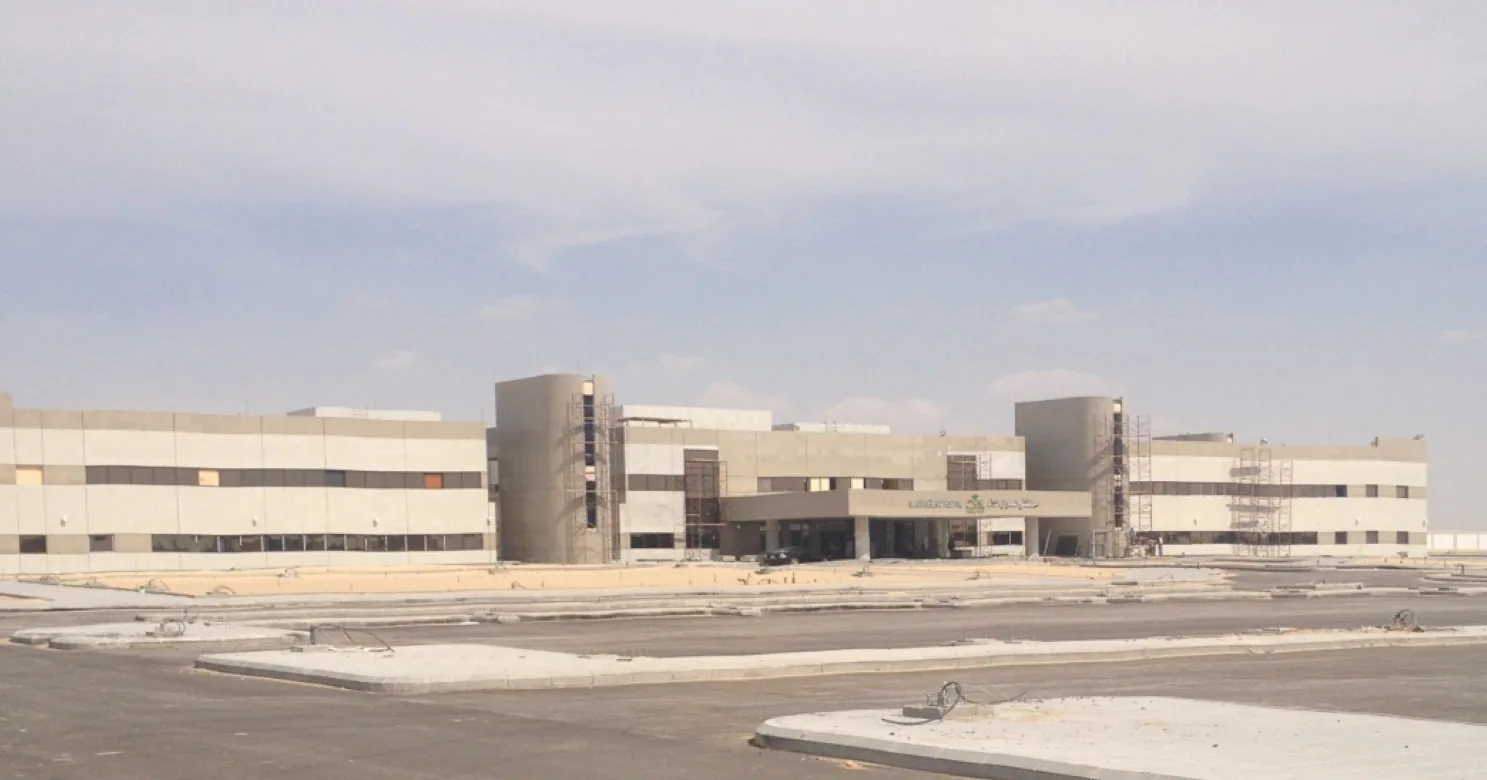
Al Ahsa
Eastern Province
Architectural finishing for a healthcare facility.
1 project delivered
Al Kharj
Riyadh Region
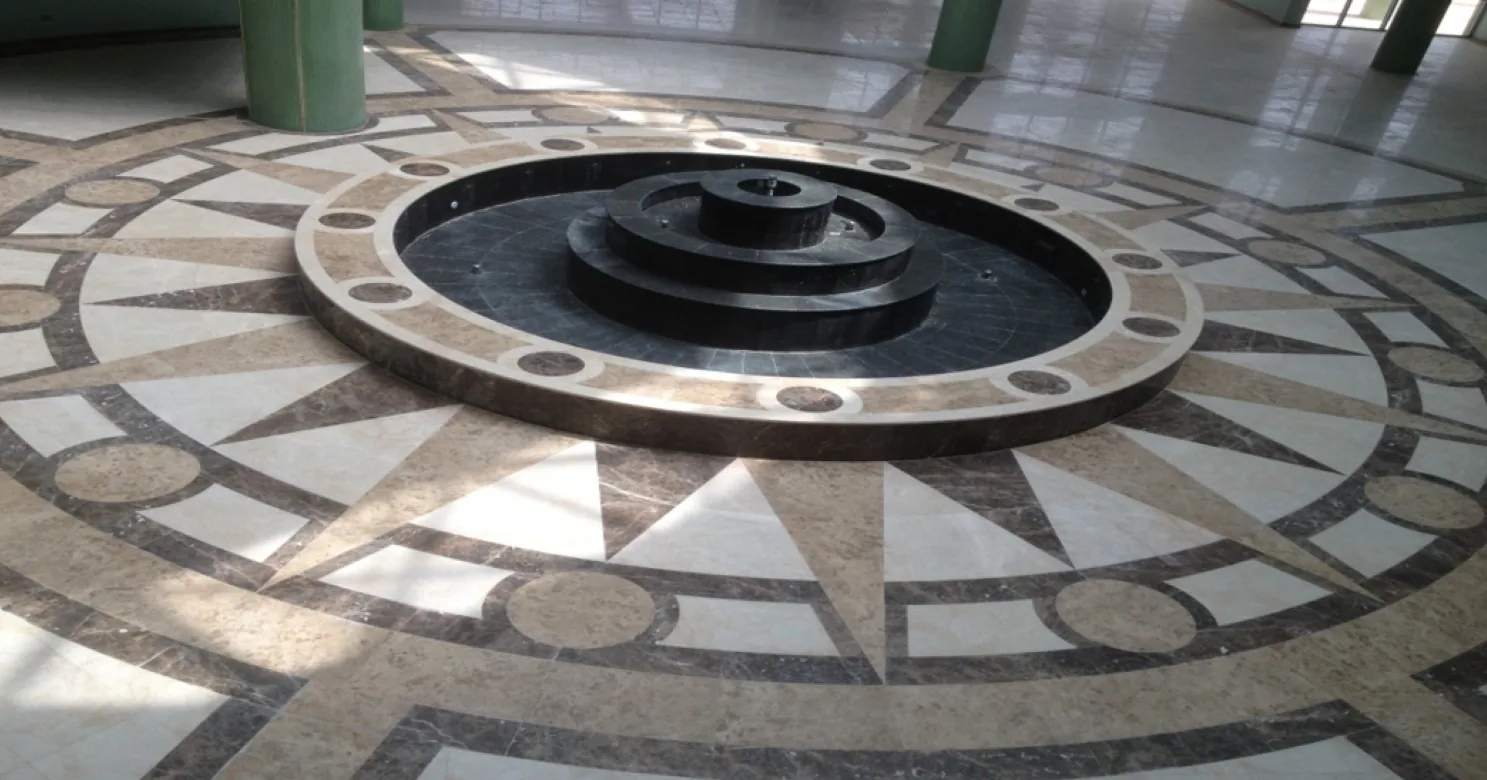
The Kingdom's dairy capital — and our largest Riyadh Region project outside the capital itself.
1 project delivered
Huraymila
Riyadh Region
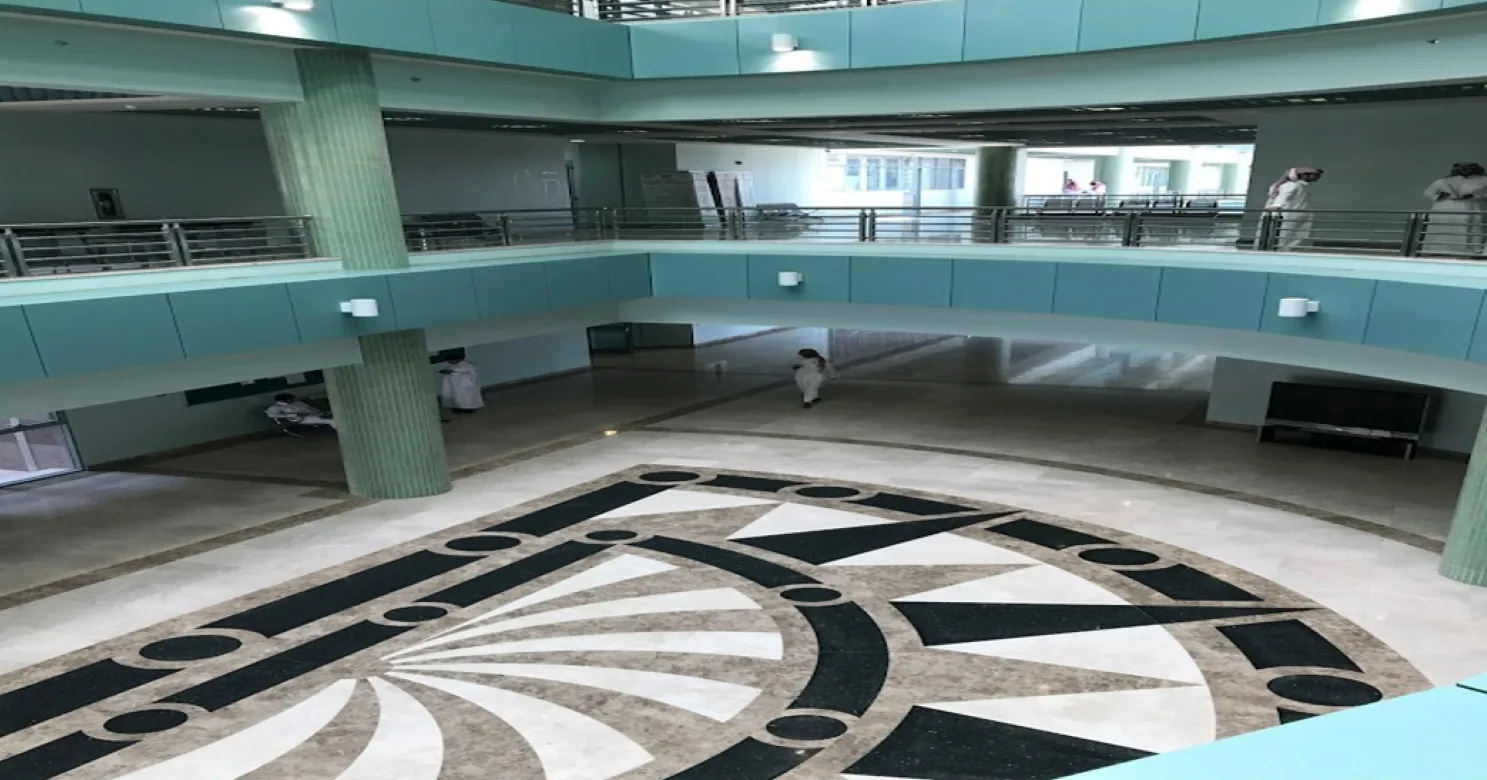
A college campus finishing scope, part of our wider Riyadh Region higher-education work.
1 project delivered
Muzahmia
Riyadh Region
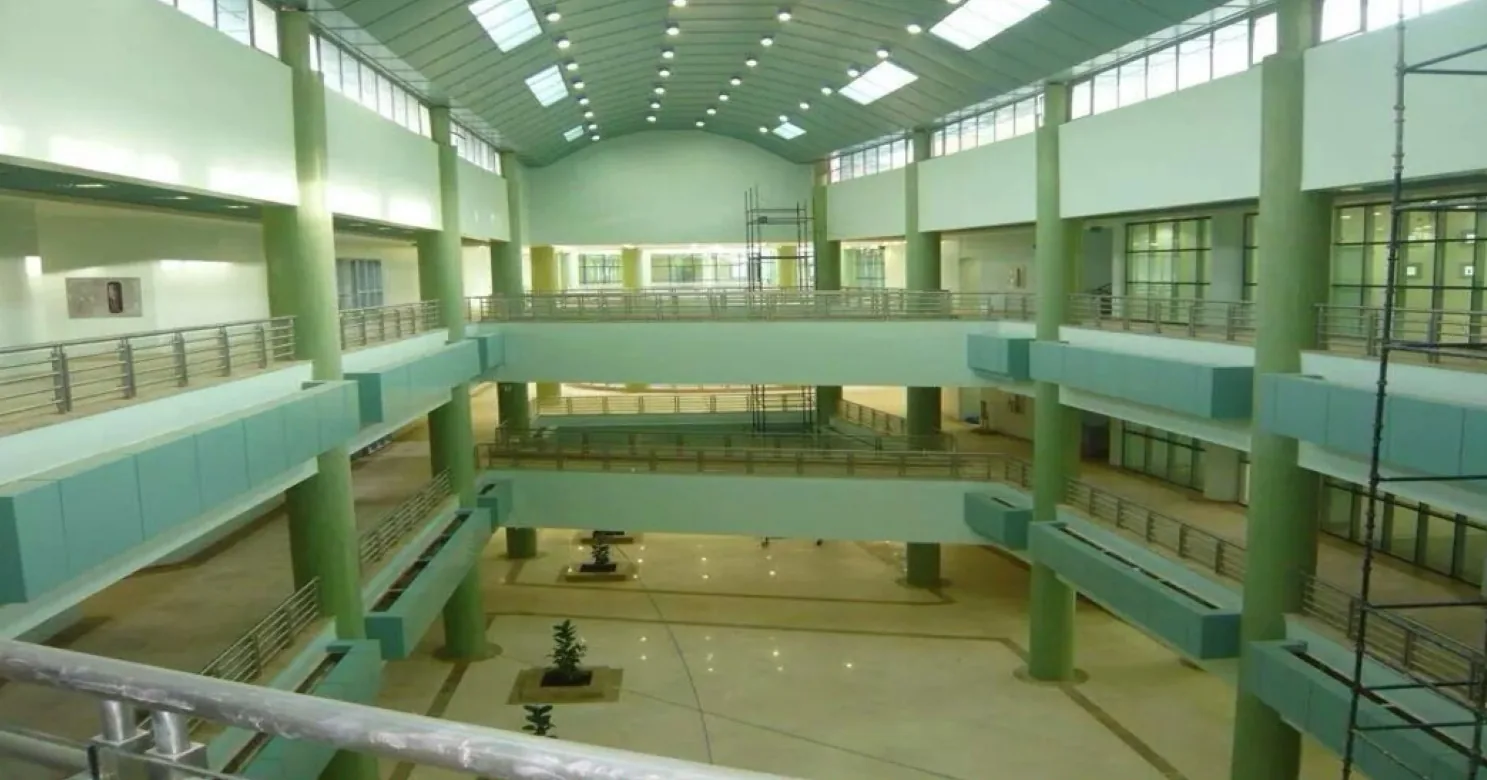
A university campus finishing scope, on the Riyadh–Mecca Highway corridor west of the capital.
1 project delivered
Projects that evidence this trade
GovernmentGovernmentGovernmentRelated reading
Questions to Ask Before Hiring a Finishing Contractor in KSA
A working checklist of the questions to ask any finishing contractor in Saudi Arabia before signing — on scope, programme, quality and payment.
Read more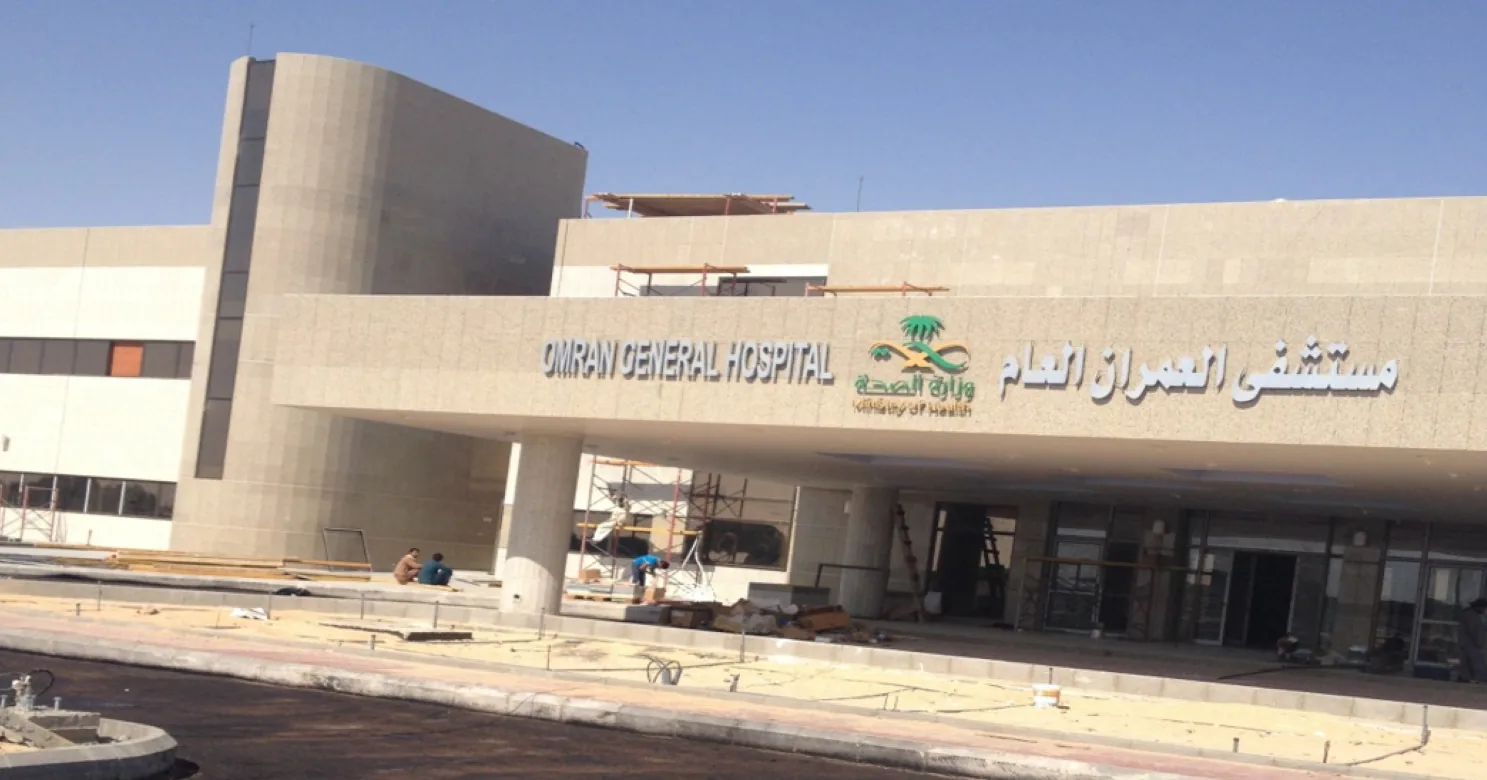
How to Become an Approved Contractor for Government Projects in Saudi Arabia
What it actually takes to work on government and institutional projects in Saudi Arabia, from contractor classification to on-site expectations.
Read moreFrequently asked
Is quality inspection done at handover, or throughout the project?
Throughout — inspection is built into each trade handover across the programme, not held for a single final walkthrough.
Do you have a dedicated safety supervision function on site?
Yes, it's one of the standing responsibilities of our support-engineering team on every active project.
What happens when work doesn't meet specification?
It's flagged and corrected before the next trade builds on top of it — the point in the programme where a fix is still cheap and straightforward.
What kind of work gets checked before it's covered by the next trade?
Anything that becomes invisible or hard to correct once covered — waterproofing before it's covered, reinforcement before it's poured, containment before a ceiling closes over it.
What does safety supervision actually check on a live site?
The practical conditions that cause incidents — scaffolding, edge protection, housekeeping and material storage — checked as a routine part of the programme, not only after an inspector's visit is announced.
Does the same quality standard apply to every project type?
Yes — the same support-engineering team applies the same standard whether the project is a government hospital or a private villa; the scale of the project changes, not the quality bar.
What is a hold point?
A stage in the work where the trade must stop and wait for an inspection to be passed before continuing. Hold points are set for work that will be hidden or costly to correct once covered, such as waterproofing, reinforcement and concealed services.
What should a non-conformance report contain?
The location, a description with a photograph, the specification requirement it misses, the likely cause, the corrective action agreed, and the dates of re-inspection and closure. A report that only says defective, without those details, cannot be tracked or learned from.
What does a good safety plan for a finishing job cover?
The activities planned, their hazards and the controls for each, who is responsible, emergency arrangements, permits for higher-risk tasks, protective equipment, worker induction, and how incidents are reported. It should be specific to the site and updated as the work changes, not a generic document filed once.
More from Supervision & Consultancy
Supervision & Consultancy

Planning a project? Let's talk finishing.
Tell us about your scope and timeline — our technical team will respond with a clear, considered proposal.