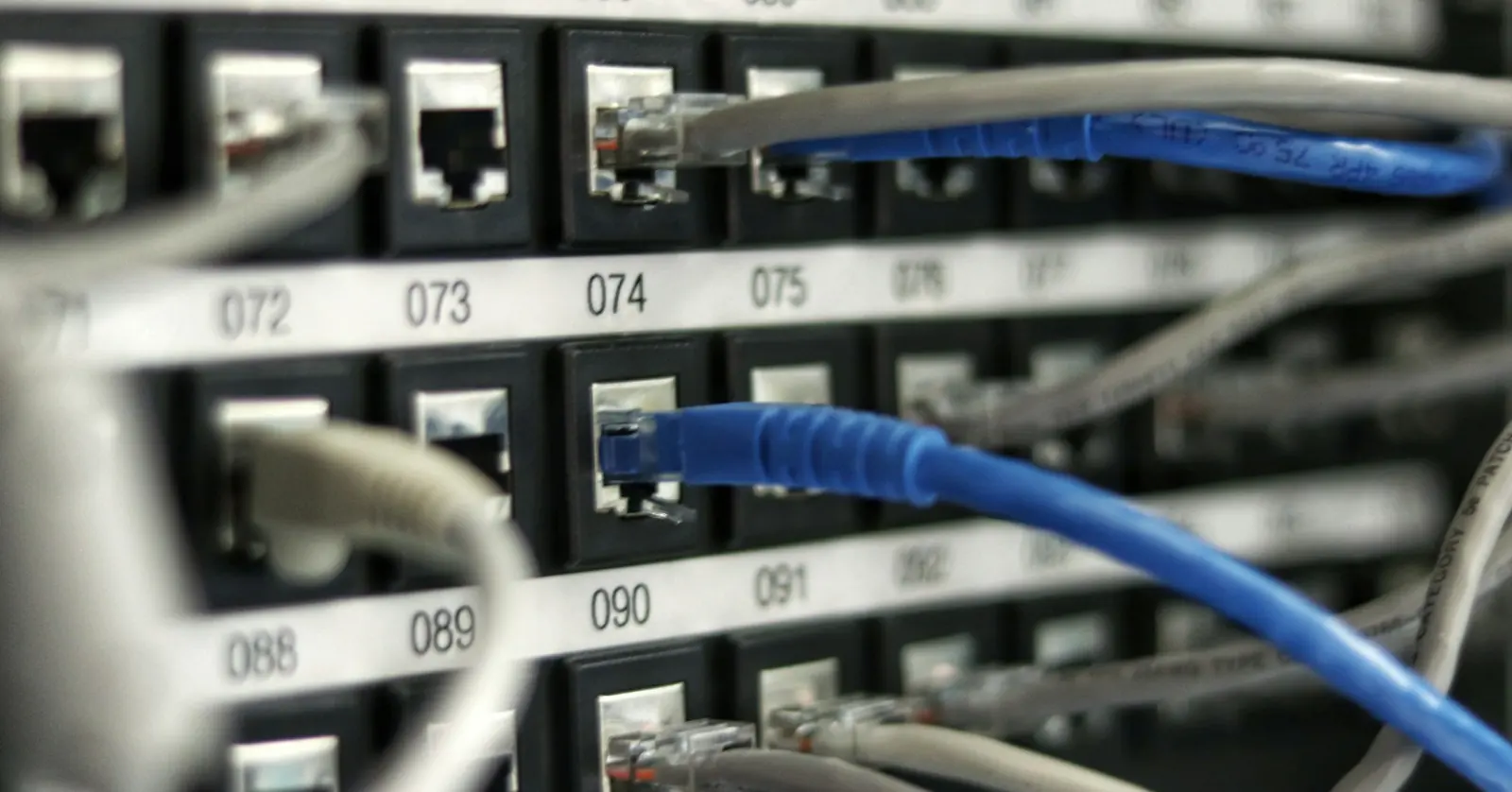
Structured Cabling & Networking Contractor in Saudi Arabia
Structured cabling and low-current network infrastructure installed as part of a coordinated MEP scope across Saudi Arabia — planned before walls close.
Request a QuoteA network that's cabled as an afterthought shows up in the small ways that are hardest to fix later — a data point in the wrong wall, containment shared badly with power cabling in a way that causes interference, no spare capacity for the next fit-out. Structured cabling is infrastructure a building lives with for years after handover, which makes it worth planning properly the first time rather than routing wherever conduit happens to reach. The same building that's cabled for a phone system today is often expected to run a full IT network, access control and building-management sensors within a few years, and containment with no spare capacity turns a simple upgrade into a re-wiring project.
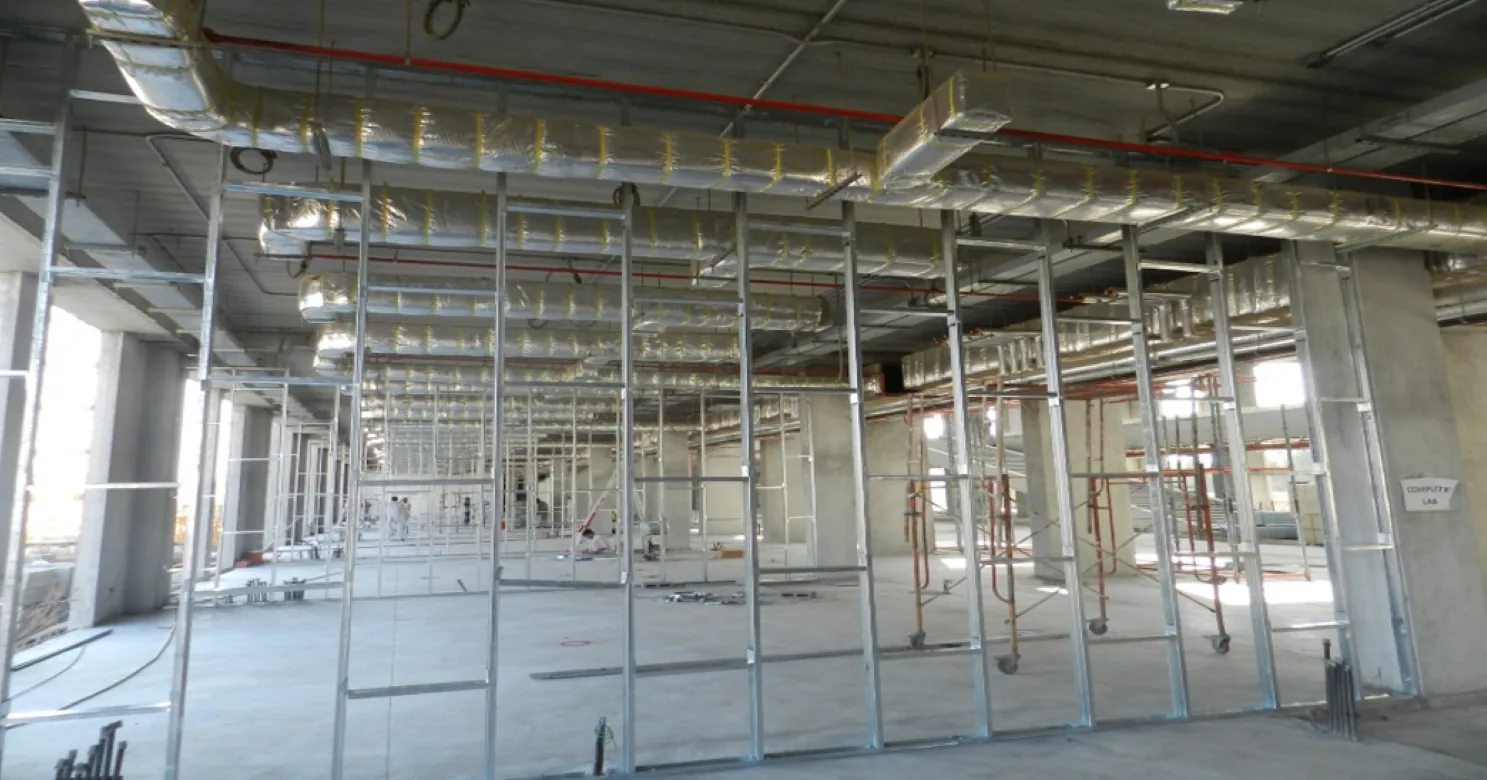
Our networking scope covers structured cabling containment and first-fix, data point positioning against the building's actual layout, and cabling through to termination, coordinated with electrical containment so power and data don't share a route in a way that degrades either. Containment is agreed and roughed in while ceilings and walls are open, the same sequencing point every other low-current system on the project follows. Cable types and routes are specified against the project's actual requirement — a villa's home network and a commercial building's structured cabling backbone aren't sized or routed the same way, and treating them as identical is how spare capacity disappears before the building even opens.
Networking is part of the MEP capability we deliver alongside electrical, plumbing and CCTV — coordinated scope rather than a specialist contractor brought in separately once everything else is finished. It's a smaller, quieter part of our MEP works than electrical or plumbing, and we'd rather say that plainly than dress up a general capability as a dedicated networking practice. We'd rather a client know that upfront than discover it after being sold a bigger claim than the scope actually supports.
Structured cabling on an Ashlaar project is planned into the same first-fix sequence as electrical and CCTV, sharing containment routes rather than competing for space with them later — infrastructure that's coordinated once instead of retrofitted twice.
What's in scope
- Structured cabling containment and first-fix
- Data point positioning against the building's actual layout
- Cabling through to termination, coordinated with electrical containment
How we deliver this
- 01
Containment planning
Structured cabling containment is planned against the project's actual requirement and coordinated with electrical routing.
- 02
Data point positioning
Data point positions are set against the building's actual layout, not a generic template.
- 03
First-fix routing
Containment is agreed and roughed in while ceilings and walls are open, alongside every other low-current system.
- 04
Power/data separation
Data containment is routed separately from electrical cabling so one doesn't degrade the other.
- 05
Cabling through to termination
Cabling is run and terminated once containment and routing are confirmed.
- 06
Spare-capacity allowance
Cable types and routes include reasonable spare capacity for the building's expected future needs.
What a structured cabling package covers
Structured cabling is the fixed infrastructure that later carries data, voice, Wi-Fi, cameras and other low-current systems. It normally has three parts: horizontal cabling from outlets back to a local cabinet, backbone cabling linking cabinets on different floors or in different buildings, and the equipment room or cabinet that houses patch panels and active equipment.
The physical installation and the network design are different scopes. Ashlaar's scope, as stated on this page, covers containment, first-fix and cabling through to termination, with network design and equipment configuration typically handled with the client's IT consultant. Whatever the arrangement, write the dividing line into the bill of quantities.
Copper, fibre and wireless compared
| Medium | Where it fits | Points to weigh |
|---|---|---|
| Copper twisted pair | Outlets at desks, cameras, access points | Maximum run length set by the cable type; performance suffers from poor termination and from running beside power cables |
| Fibre optic | Backbone between floors or buildings, and long runs | Unaffected by electrical interference and suited to distance; needs specialist termination and test equipment |
| Wireless | Coverage for phones, laptops and mobile devices | Depends on access point positions; every access point still needs a cable back to the network |
Cable sheaths also carry fire-performance ratings. The type used in ceiling voids and risers should match the specification and the space it passes through.
Routing, separation and the equipment room
- Keep data cables apart from power cables, and cross them at right angles where they must meet, so interference stays low.
- Leave spare capacity in trays and conduits so the next system does not force a new route.
- Respect the manufacturer's minimum bend radius and pulling limits. Sharp bends and over-tightened ties degrade a cable before anyone tests it.
- Support cables along their length. Do not drape them over ceiling grids or ductwork.
- Fix access point and camera positions against the reflected ceiling plan, with a cable to a reachable point, so no device ends up above a fixed ceiling with no access. See Ceiling Systems (All Types).
- Seal penetrations through fire-rated walls and floors as the consultant specifies.
The equipment room deserves as much thought as the cabling: space to grow, cooling and dust control for a hot climate, dedicated protected power, secure access, and no water or drainage pipes running through or above it. Settle this with Electrical Works and Plumbing Works before the room is fixed. The same pathways often serve CCTV & Security Systems, so route both together.
Planning for growth and change
Cabling outlasts the equipment connected to it. Switches and access points are replaced far more often than the cable behind the walls, and a building cabled for telephones today is often asked to carry access control, building sensors and extra cameras later. A few decisions at first-fix keep that upgrade simple.
- Spare sleeves or conduits between cabinets and through floors, so new cable can be pulled without breaking finishes
- Empty capacity in trays, and free space in cabinets and patch panels
- Extra outlets where use is most likely to change, such as meeting rooms and reception areas
- Sizing each project against its own use: a villa's home network and a commercial building's backbone are not specified alike
Testing, labelling and documentation
- One test report per copper link, filed under the same identifier used on the outlet and the patch panel
- Optical loss results for each fibre link, with connectors cleaned and inspected before testing
- A labelling scheme recorded in a schedule, with labels at the outlet, the patch panel and, where visible, along the route
- As-built plans showing outlet locations, pathways and cabinet positions
- Cabinet layout drawings and a note of remaining spare capacity
- Product documentation for the installed hardware
What's handled by another capability
- Network design and equipment configuration — typically handled with the client's IT consultant
- CCTV camera equipment — see CCTV & Security Systems
- Electrical power containment — see Electrical Works
Materials & systems
- Structured cabling containment systems
- Low-current data cabling
Where we deliver this
 Head office
Jeddah
Makkah Region
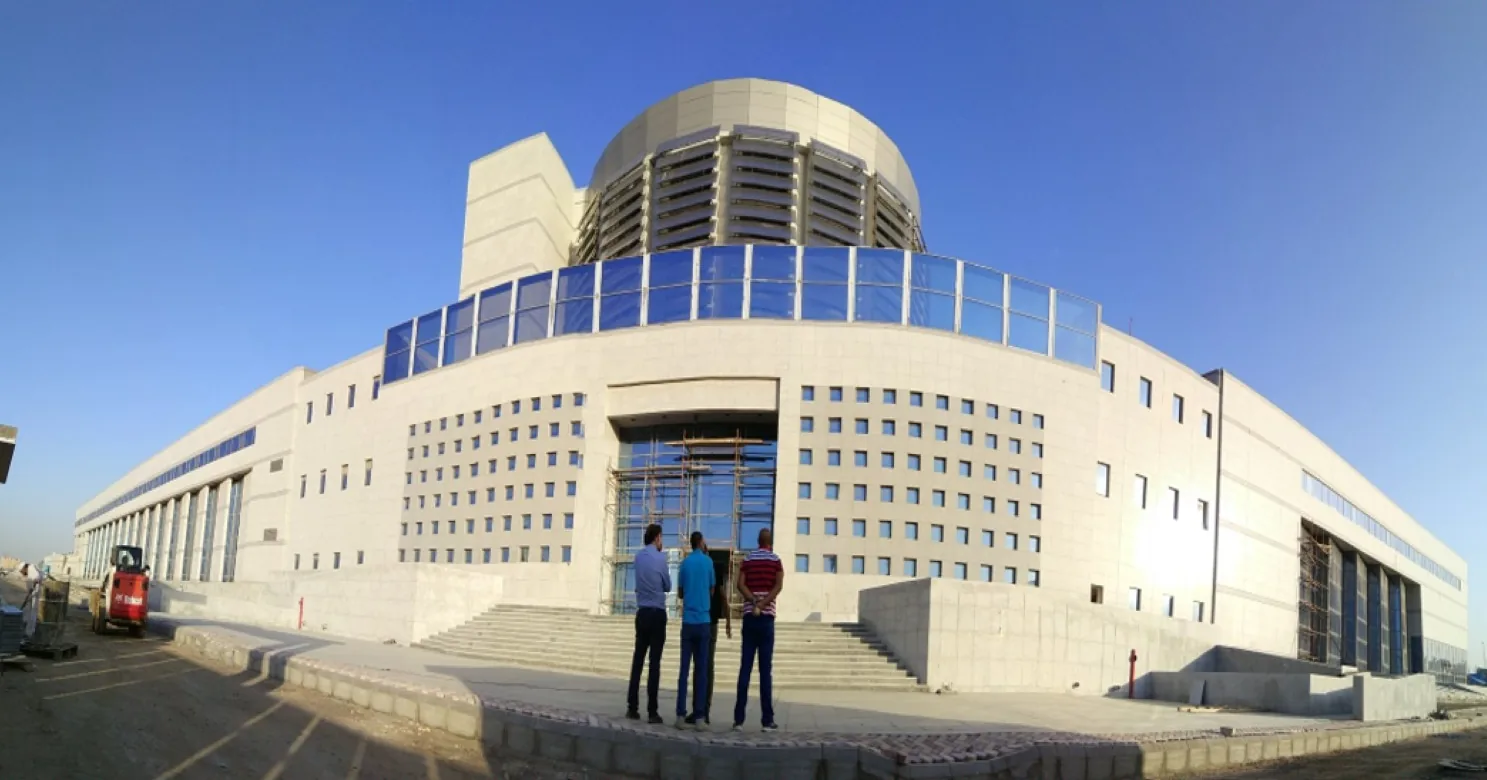
Ashlaar's head office, and the largest share of our project record.
7 projects delivered
Riyadh
Riyadh Region
Our largest project base outside Jeddah.
6 projects delivered
Dammam
Eastern Province
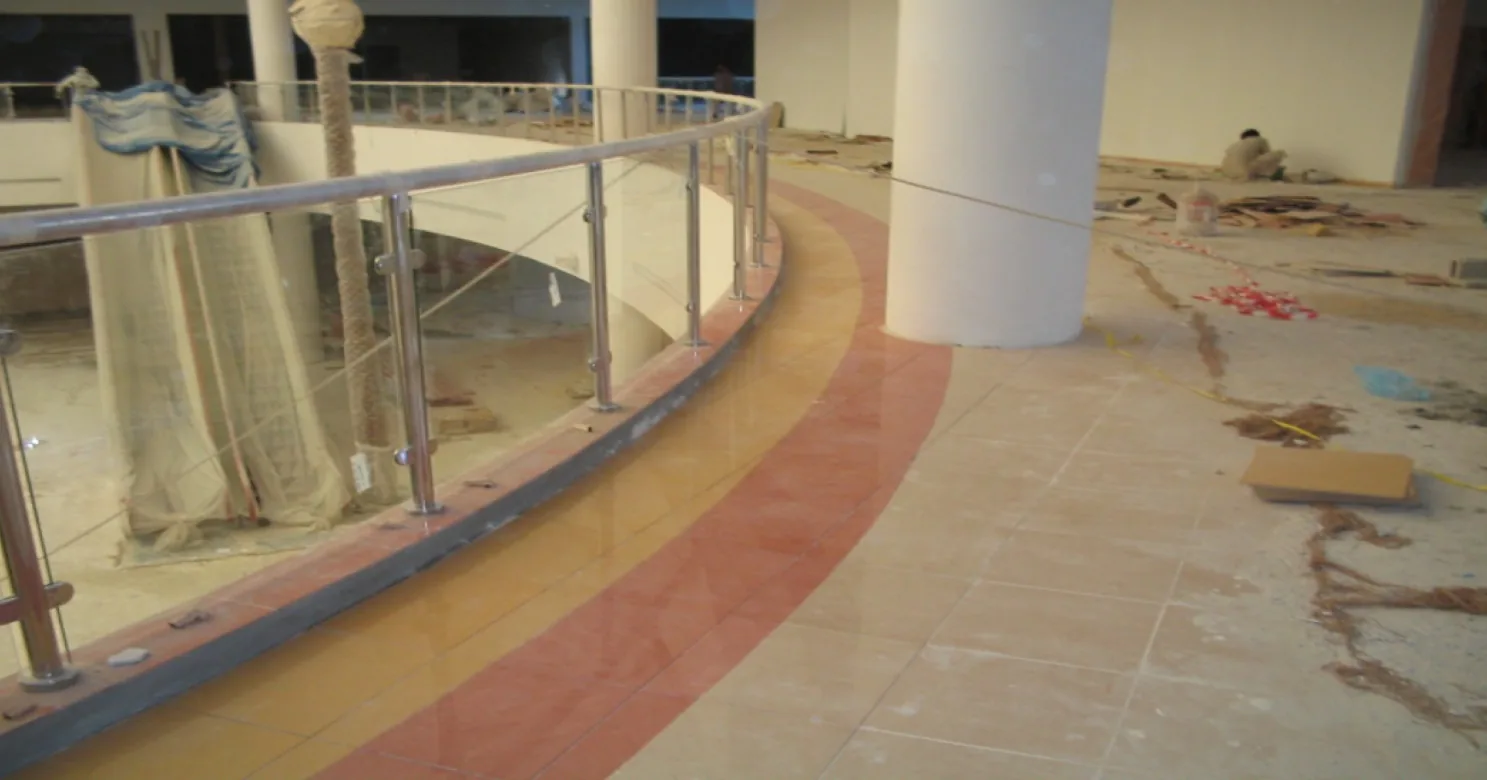
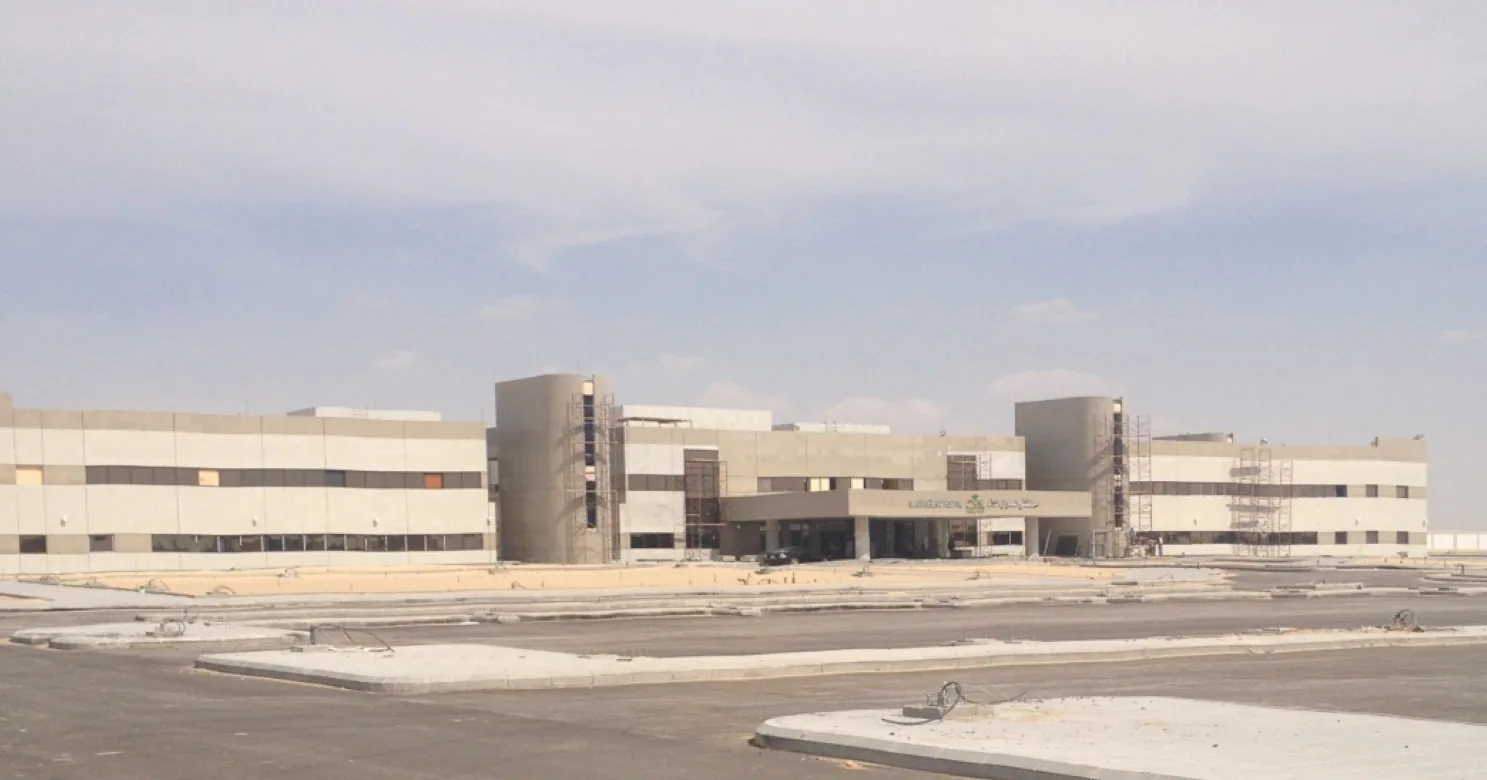
Interior finishing and flooring for a retail development.
1 project delivered
Al Ahsa
Eastern Province
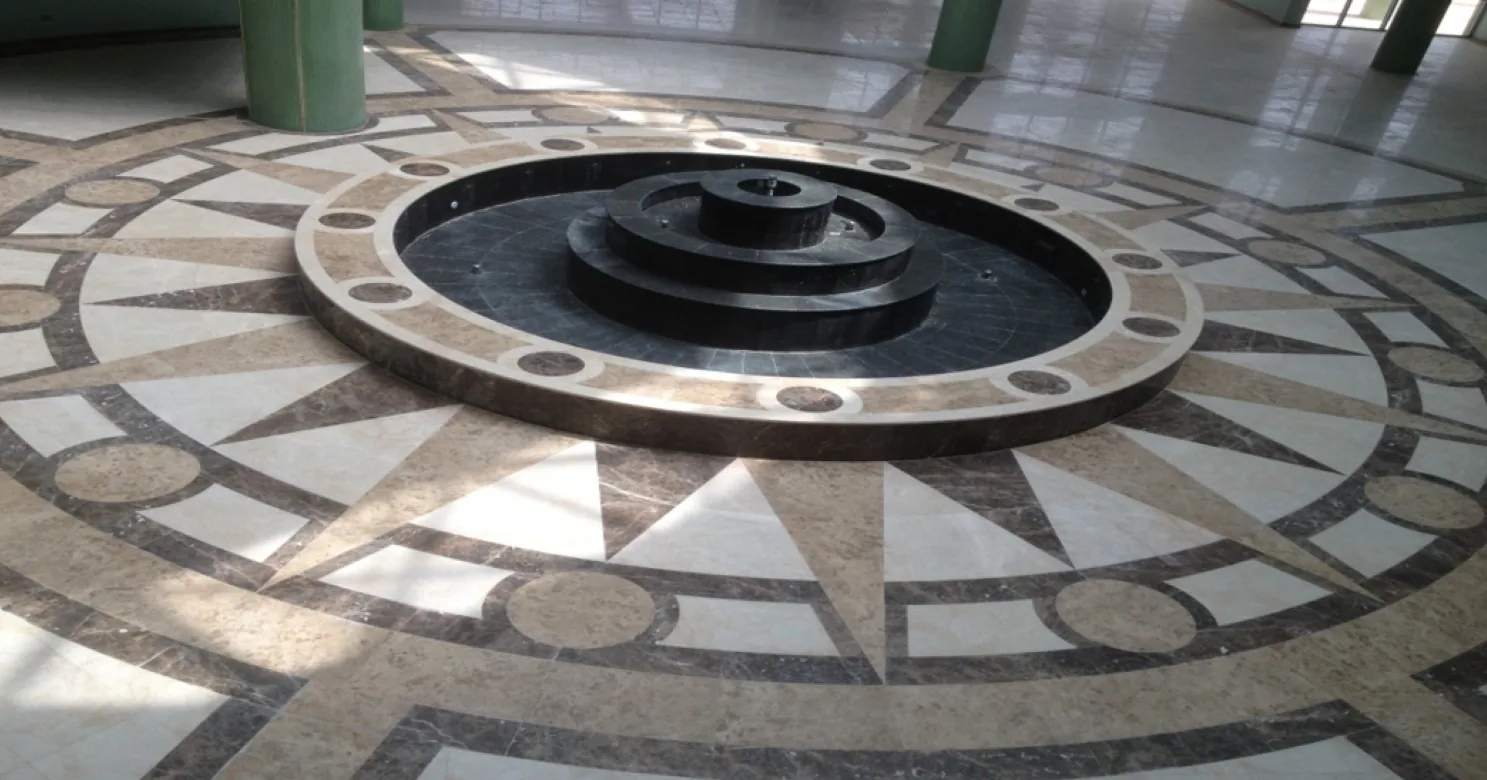
Architectural finishing for a healthcare facility.
1 project delivered
Al Kharj
Riyadh Region
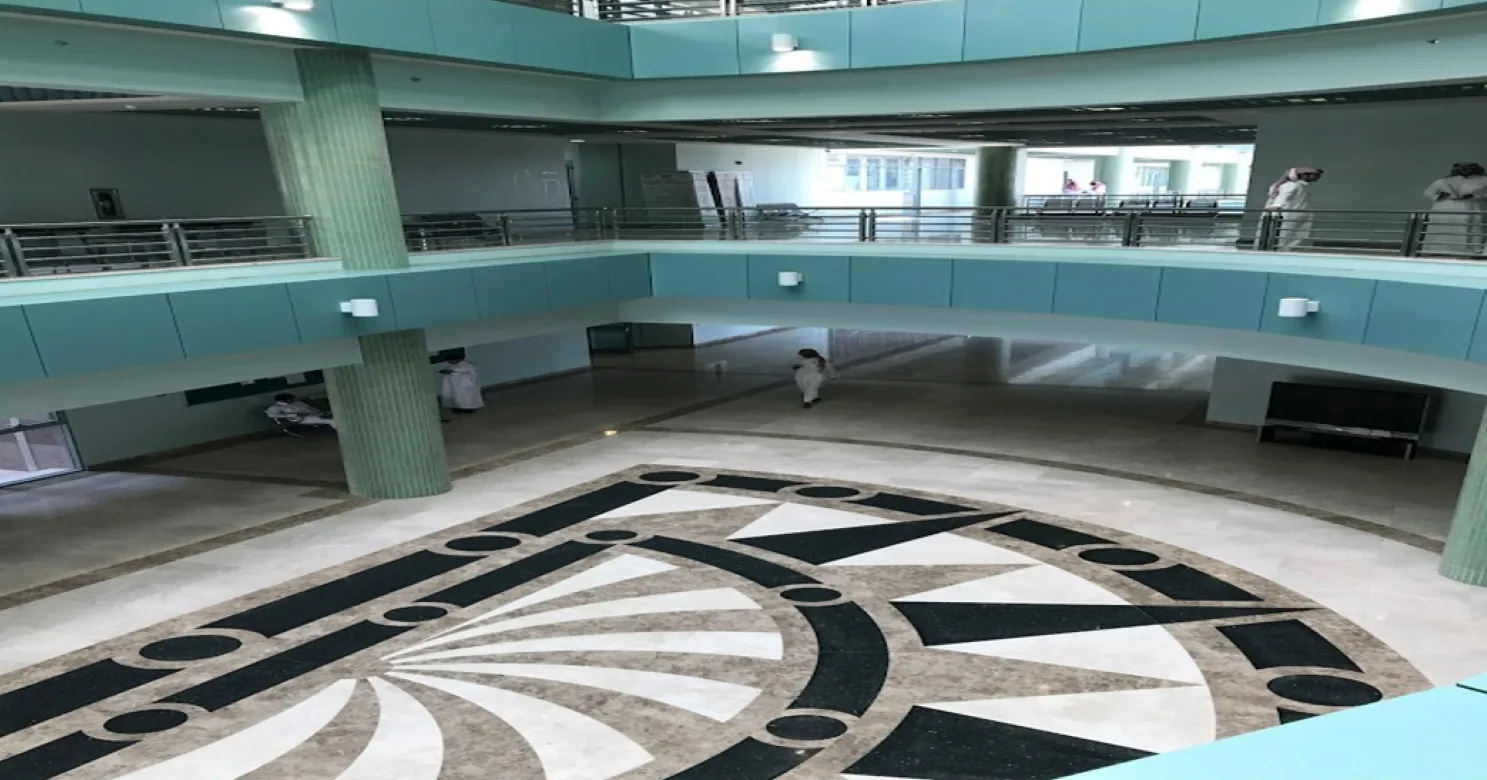
The Kingdom's dairy capital — and our largest Riyadh Region project outside the capital itself.
1 project delivered
Huraymila
Riyadh Region
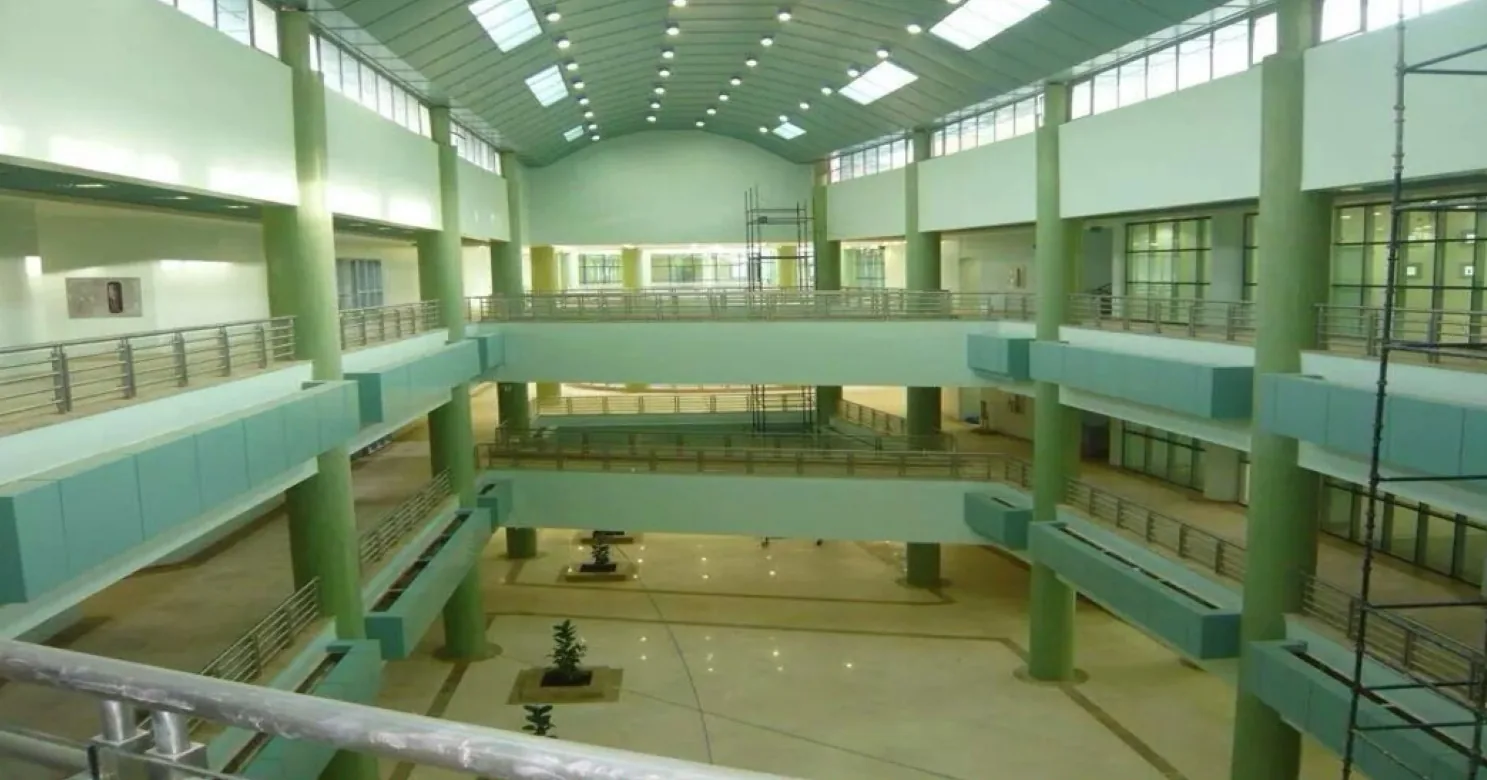
A college campus finishing scope, part of our wider Riyadh Region higher-education work.
1 project delivered
Muzahmia
Riyadh Region
A university campus finishing scope, on the Riyadh–Mecca Highway corridor west of the capital.
1 project delivered
Related projects in MEP Works
Government Residential
Related reading
Main Contractor vs Subcontractor: What's the Difference?
Main contractor and subcontractor sound like a hierarchy of quality, but the real difference is contractual role. Here's how it actually works.
Read more
How to Choose a General Contracting & Finishing Company in Saudi Arabia
A practical guide to vetting general contracting and finishing companies in Saudi Arabia — what to check, red flags to avoid, and questions to ask first.
Read moreFrequently asked
Do you design the network, or only install cabling?
We install and route structured cabling containment against the project's approved layout; network design and equipment specification are typically handled with the client's IT consultant.
Is networking cabling separated from electrical cabling?
Yes — data and power containment are routed separately and coordinated together, so one doesn't interfere with or crowd out the other.
Can structured cabling be added to an existing building?
It can, though — as with any low-current system — routing is cleaner and less visible when it's planned while walls and ceilings are still open.
Do you size cabling for future capacity, or just current needs?
Cable types and routes are specified against the project's actual requirement, including reasonable spare capacity — containment with no room to grow turns a simple upgrade into a re-wiring project a few years later.
Is a villa network cabled the same way as a commercial building's?
No — a villa's home network and a commercial building's structured cabling backbone are sized and routed differently, specified against what that specific project actually needs rather than a single generic standard.
Do you design the IT network, or handle the physical cabling only?
We're honest that this is a smaller, quieter part of our MEP scope than electrical or plumbing — we install and route the physical containment and cabling; network design and equipment configuration are typically handled with the client's IT consultant.
Who supplies the switches, routers and Wi-Fi equipment?
That depends on how the contract is written. Structured cabling and active network equipment are often separate scopes, with the equipment supplied and configured by the owner's IT team or IT consultant. State it in the bill of quantities, including who provides the cabinet and patch cords, so nothing falls between two packages.
How many data outlets does each room need?
It depends on how the room will be used, not on a fixed rule. Count workstations, meeting-room displays, printers, phones, access points, cameras and any building-management or access-control devices, then add spare outlets. Set positions against the furniture layout before first-fix, when moving a box is still easy.
What counts as a low-current system?
Any system that runs on low voltage over signal-type cabling: data networks, telephones, CCTV, access control, intercoms, public address and, in many buildings, the fire alarm. Which are included depends on the project, and the fire alarm follows the consultant's design and Saudi Civil Defense requirements.

Planning a project? Let's talk finishing.
Tell us about your scope and timeline — our technical team will respond with a clear, considered proposal.