Electrical Contractor in Jeddah
Electrical works for government, commercial and residential projects in Jeddah — first-fix to final connection, coordinated across the full MEP scope.
Request a QuoteElectrical work is one of the few trades where a mistake doesn't just look wrong — it's a genuine hazard, and it's buried behind a wall or a ceiling long before anyone other than the installer ever sees it. A junction box closed up without the right connections, a circuit loaded past what it was sized for, containment routed without regard for what else is sharing that ceiling void — none of it shows on handover day, and all of it is expensive and disruptive to fix once finishes are closed over it. We treat electrical work as engineered scope, not a trade squeezed in wherever there's space left. A distribution board sized for today's load with nothing held back for tomorrow's is the kind of shortcut that looks identical to correct work until the building's usage changes.
Our electrical scope runs from first-fix — containment, conduit and cable routing while walls and ceilings are still open — through second-fix devices, distribution boards and final connection and testing. Routing is planned against the ceiling void and riser space the same drawing set allocates to HVAC ductwork and plumbing lines, so containment doesn't get installed twice or fought over on site. Every circuit is tested before it's closed behind a finish, not after a complaint. Distribution boards are labelled and documented as they're wired, not reconstructed from memory once the project reaches handover.
Electrical is scope we deliver as standard across every project type we take on — government buildings, commercial fit-outs and the turnkey villas where a client expects lighting, power and every socket working correctly the day they move in, not a punch list. It sits inside the same MEP capability as our plumbing, CCTV and networking scope, coordinated by one team rather than four separate subcontractors each blaming the other for a clash. That coordination matters as much on a villa in North Jeddah as it does on a government building in Riyadh or Dammam — the scale changes, the standard doesn't.
On an Ashlaar project, electrical first-fix is sequenced against plaster, ceiling and flooring works rather than raced against them — the trade that usually causes the most rework on other sites is the one we coordinate most deliberately on ours.
What's in scope
- First-fix containment, conduit and cable routing
- Second-fix devices, switches, outlets and distribution boards
- Circuit testing and final connection
How we deliver this
- 01
Drawing coordination
Routing is planned against the ceiling void and riser space the drawing set allocates to HVAC ductwork and plumbing lines, before any containment goes in.
- 02
First-fix
Containment, conduit and cable routing go in while walls and ceilings are still open, sharing space with the other trades' rough-ins rather than fighting for it later.
- 03
Coordination with finishing trades
First-fix is sequenced against plaster, ceiling and flooring works rather than raced against them — the trade that usually causes the most rework on other sites is the one coordinated most deliberately here.
- 04
Second-fix
Devices, switches, outlets and distribution boards go in once the finishes around them are ready, positioned against the approved layout.
- 05
Testing
Every circuit is tested before it's closed behind a finish, not after a complaint — the same discipline applied to every wet- or safety-critical scope.
- 06
Documentation & handover
Distribution boards are labelled and documented as they're wired, not reconstructed from memory once the project reaches handover.
Where an electrical package starts and stops
On most projects the electrical design comes from the owner's consultant, and the contractor's package is defined by the approved drawings, the bill of quantities and the specification. The most common source of dispute is not workmanship but the boundary: who supplies and connects the main supply and switchgear, who provides the light fittings, and who powers equipment that another trade installs. Before pricing, mark the boundary on the drawings for each of these.
- Incoming supply, metering and main switchgear, shaped by the electricity utility's requirements and the consultant's design
- Sub-distribution boards, final circuits, earthing and bonding
- Light fittings, drivers and controls: who supplies them and who installs them
- Power feeds to air-conditioning, pumps, lifts and kitchen equipment supplied by other packages
- Containment and back-boxes for low-current systems such as CCTV and data cabling
- Emergency and exit lighting, and any interface with the fire alarm, as the consultant's design and Saudi Civil Defense requirements define them
Anything left unassigned tends to surface later as a variation, so a clear responsibility table at tender is worth having.
Choosing materials for Saudi conditions
Conditions differ sharply across the Kingdom, and material choice should follow them. On the Red Sea coast, in Jeddah for example, humidity and salt in the air attack exposed metalwork. In the dry interior around Riyadh, dust and large day-to-night temperature swings matter more. Ceiling voids run hot everywhere, which limits how much current a cable can safely carry.
| Condition | What it affects | What to specify or check |
|---|---|---|
| Coastal humidity and salt air | Corrosion of trays, fixings, enclosures and terminations | A metal finish suited to the exposure, or non-metallic containment; corrosion-resistant fixings |
| Inland dust and sun | Dust in enclosures; ageing of plastics left in the sun | Enclosure protection suited to the location; UV-stable materials outdoors |
| Hot ceiling voids | Cable capacity falls as surrounding temperature rises; heat builds around drivers | Cable sizing that allows for the real ambient temperature; ventilation and access around drivers |
| Large temperature swings | Expansion and contraction of long containment runs | Allowance for movement in long metal runs; secure, correctly spaced supports |
| Wet and outdoor areas | Water entering boxes and joints | Weather-protected fittings, sealed cable entries, protective devices suited to wet locations |
Coordinating with the trades that close the work in
Concealed electrical work is only as good as its coordination with whoever covers it. Most rework starts where electrical meets another trade.
- Above ceilings: agree routes against the reflected ceiling plan so containment, ducts, pipes, light fittings and access panels do not compete for one space. See Ceiling Systems (All Types).
- In partitions: box positions and cable routes are fixed before boarding closes a stud wall. See Gypsum & Cement-Board Partitions.
- In plastered walls: chases are filled and, where the plaster specification calls for it, bridged with mesh so cracks do not show along the line. See Plastering (Internal & External).
- In floors: floor boxes and conduits under a screed need their positions and levels fixed before the pour. See Screeding & Expansion-Joint Treatment.
- At every junction box: keep it reachable. A box buried behind a finish cannot be serviced.
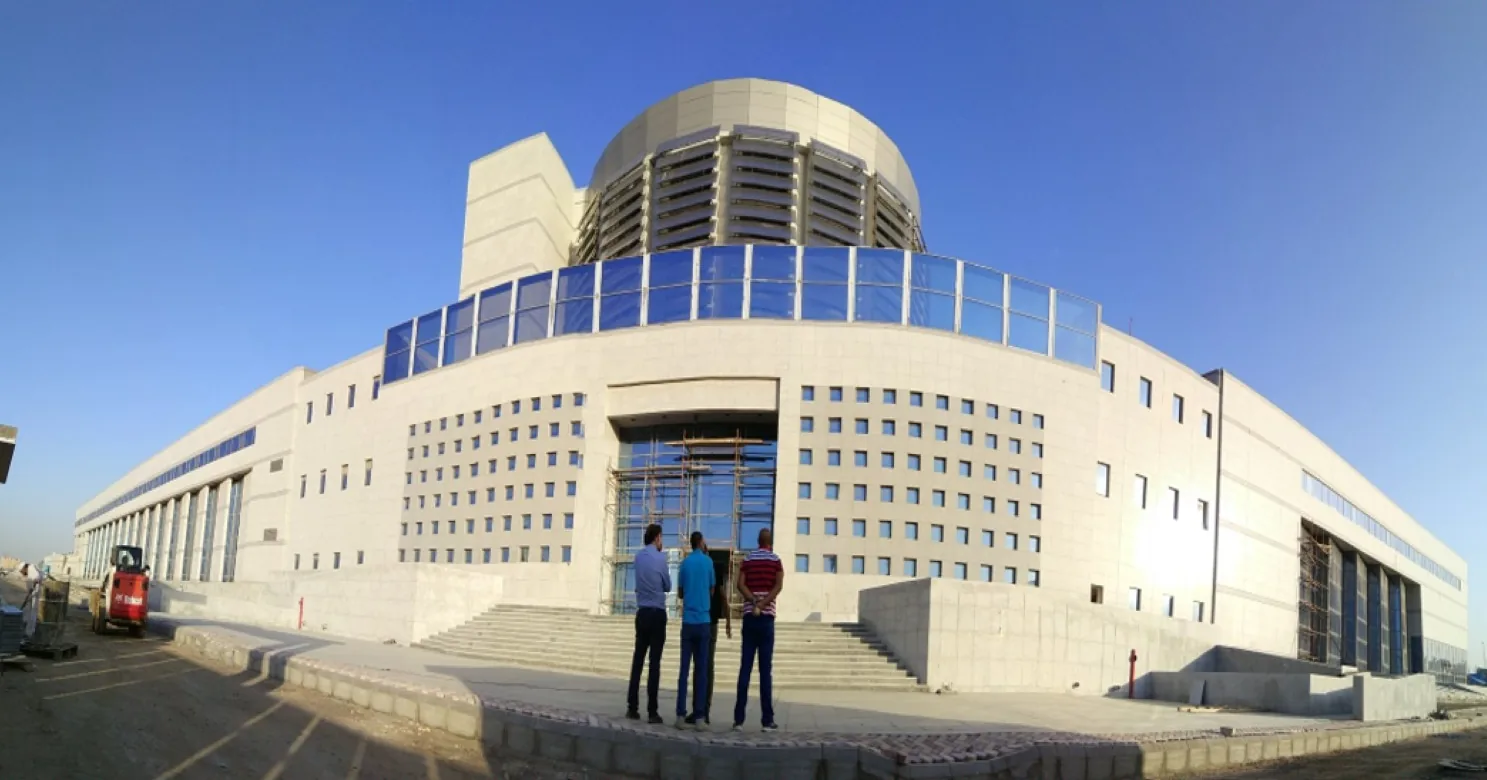
On Drug Control Department Tower, Ashlaar's finishing was sequenced around active mechanical, electrical and plumbing works, which is the situation this list describes.
Testing, commissioning and handover records
Electrical faults hide behind finishes, so the record of what was tested matters as much as the test. Before ceilings and walls close, and again before handover, an owner or consultant can reasonably ask for the following.
- Signed, dated test records for each circuit: continuity of protective conductors, insulation resistance, polarity and operation of earth-leakage protection
- Distribution board schedules that match what is physically wired, with every circuit labelled at the board
- As-built drawings showing actual containment routes, box locations and board positions, not just the tender layout
- Functional checks of lighting controls, emergency lighting and equipment supplied by others
- Balanced loading across phases where the supply is three-phase, and spare ways left in each board
- Operation and maintenance manuals and product documentation for boards, breakers and fittings
What to write into the BOQ or ask a contractor
- The scope boundary for each system and who supplies each item
- Written approval before any substitute for a specified material is ordered
- Inspection of concealed routes before they are covered, treated as a hold point
- Spare capacity in boards and containment, stated in the specification instead of left to judgement
- Delivery of the records above as a condition of handover
For wider questions to put to any contractor, see Questions to Ask Before Hiring a Finishing Contractor in KSA.
From our projects
What's handled by another capability
- Plumbing, CCTV/security and networking systems — see their own MEP Works sub-services
- Interior architectural finishing — plaster, flooring, ceilings — see Architectural Finishing
Materials & systems
- Containment, conduit & cable trays
- Distribution boards, circuit breakers & protection devices
- Junction boxes, switches & outlets
- Lighting fixtures & fittings
- Power & lighting circuit cabling
Where we deliver this
 Head office
Jeddah
Makkah Region
Ashlaar's head office, and the largest share of our project record.
7 projects delivered
Riyadh
Riyadh Region
Our largest project base outside Jeddah.
6 projects delivered
Dammam
Eastern Province
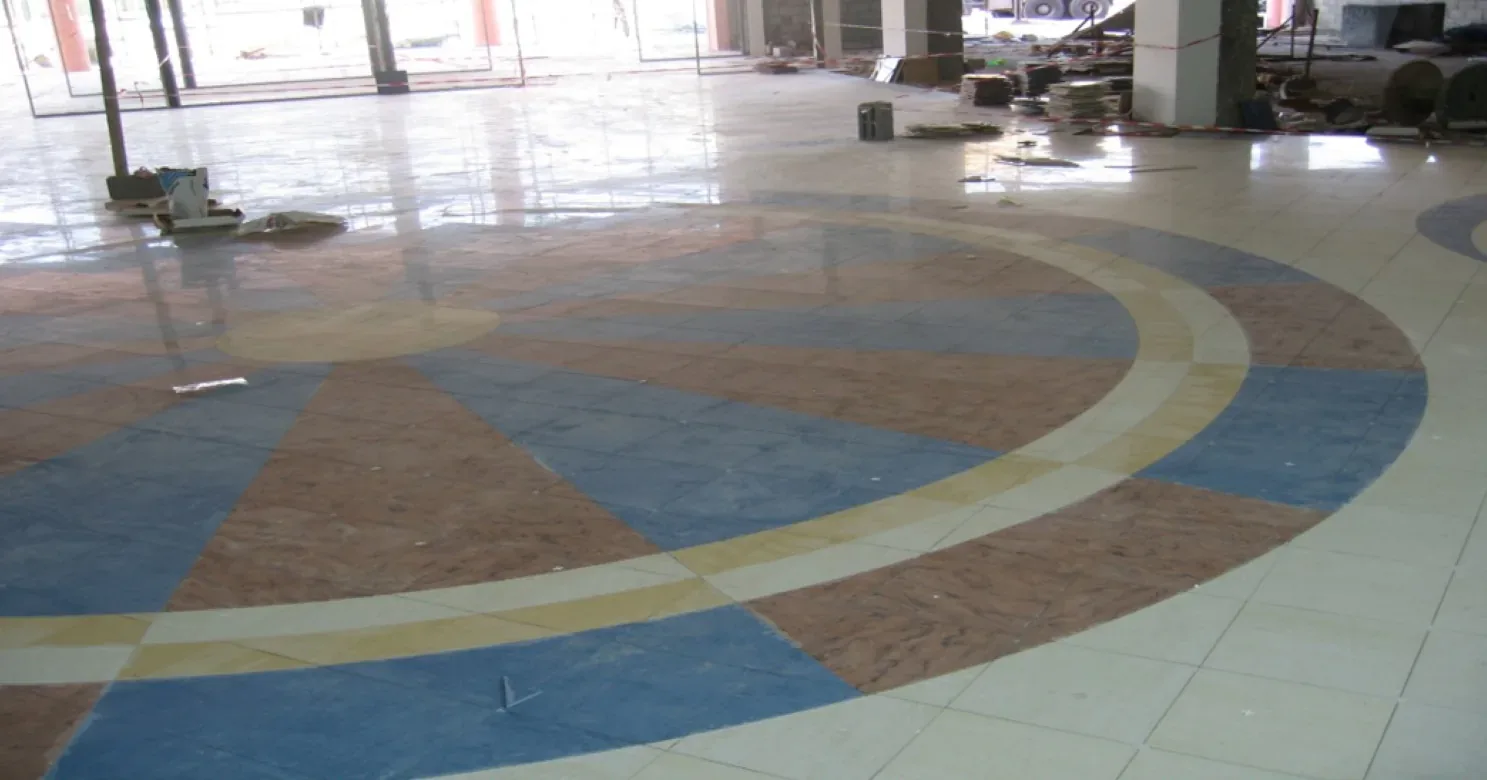
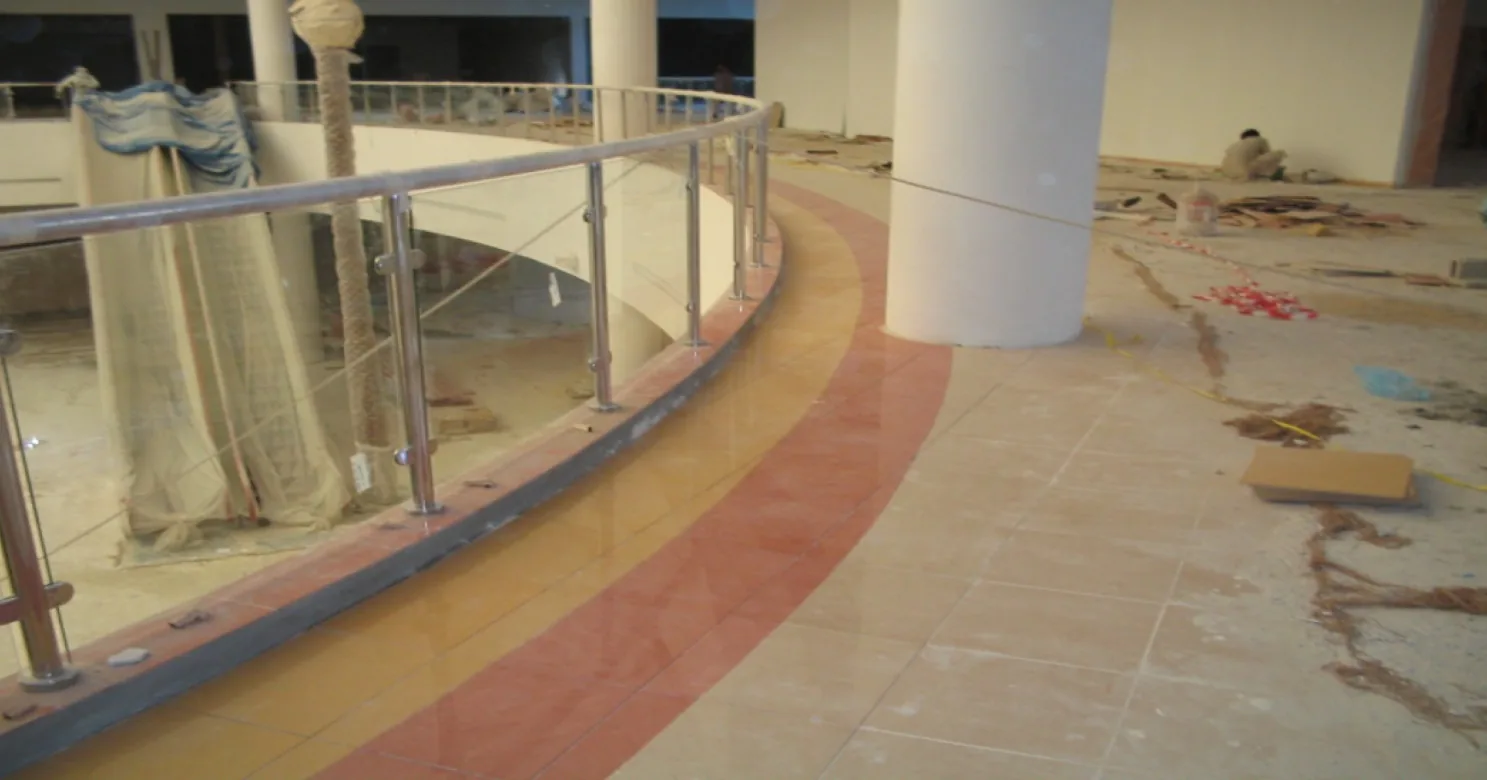
Interior finishing and flooring for a retail development.
1 project delivered
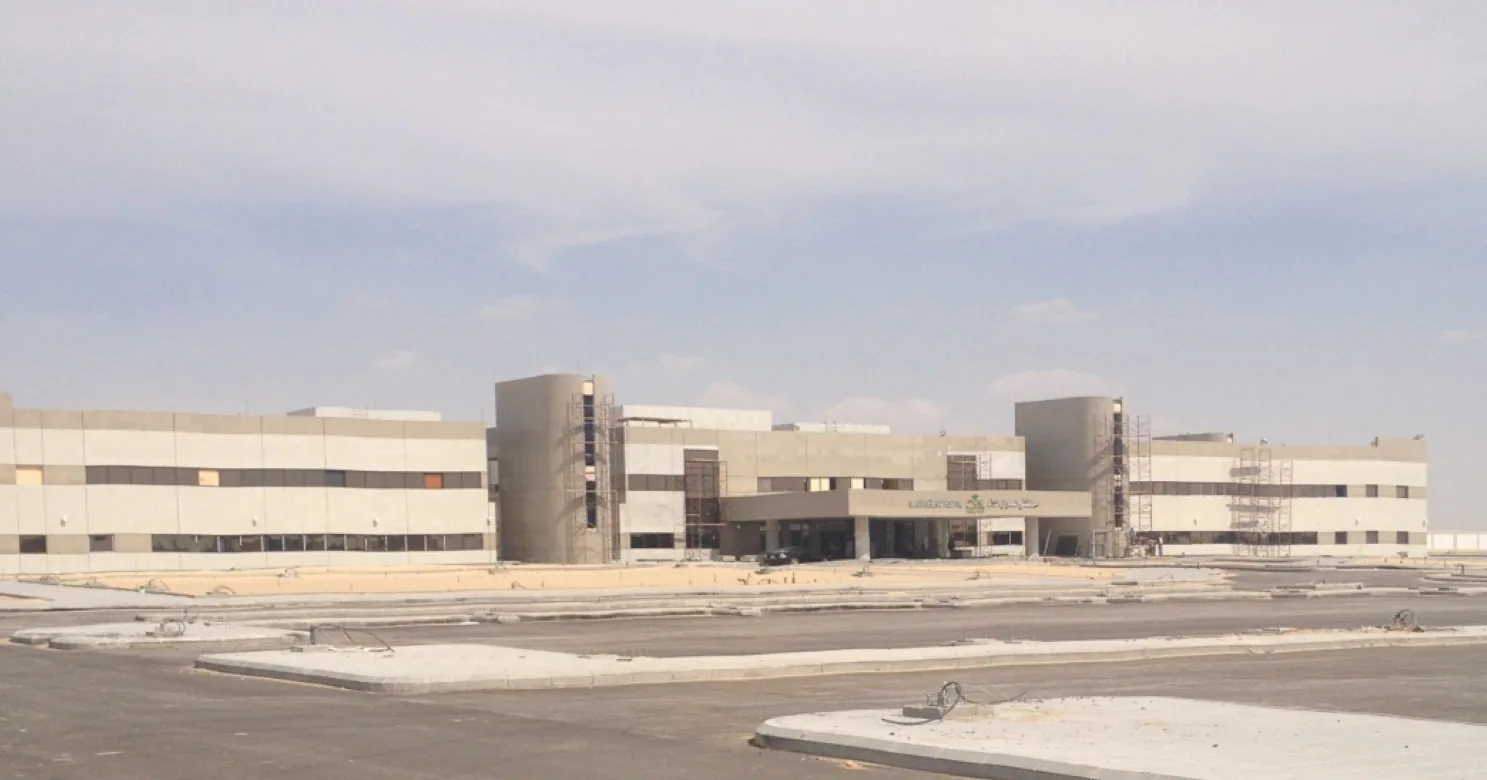
Al Ahsa
Eastern Province
Architectural finishing for a healthcare facility.
1 project delivered
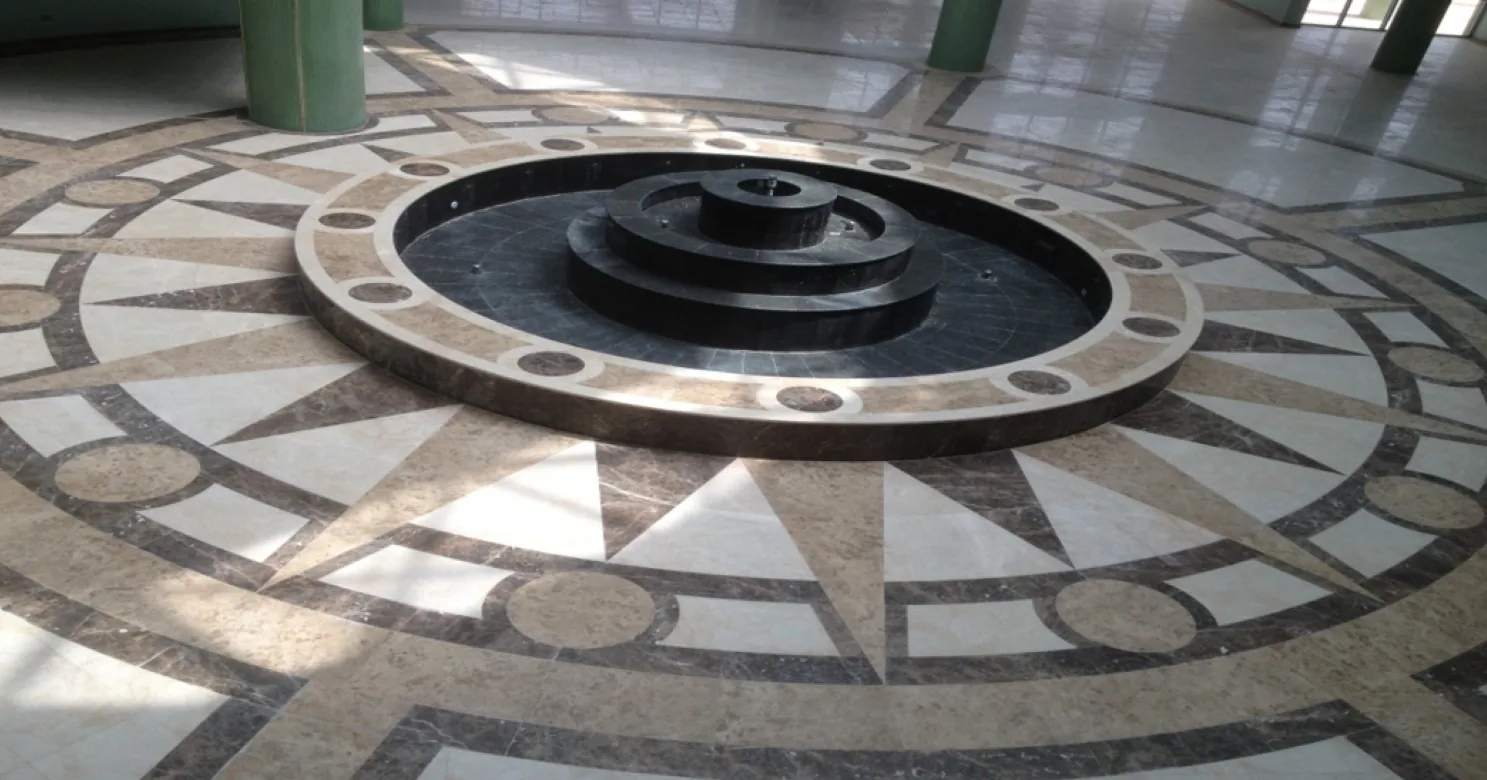
Al Kharj
Riyadh Region
The Kingdom's dairy capital — and our largest Riyadh Region project outside the capital itself.
1 project delivered
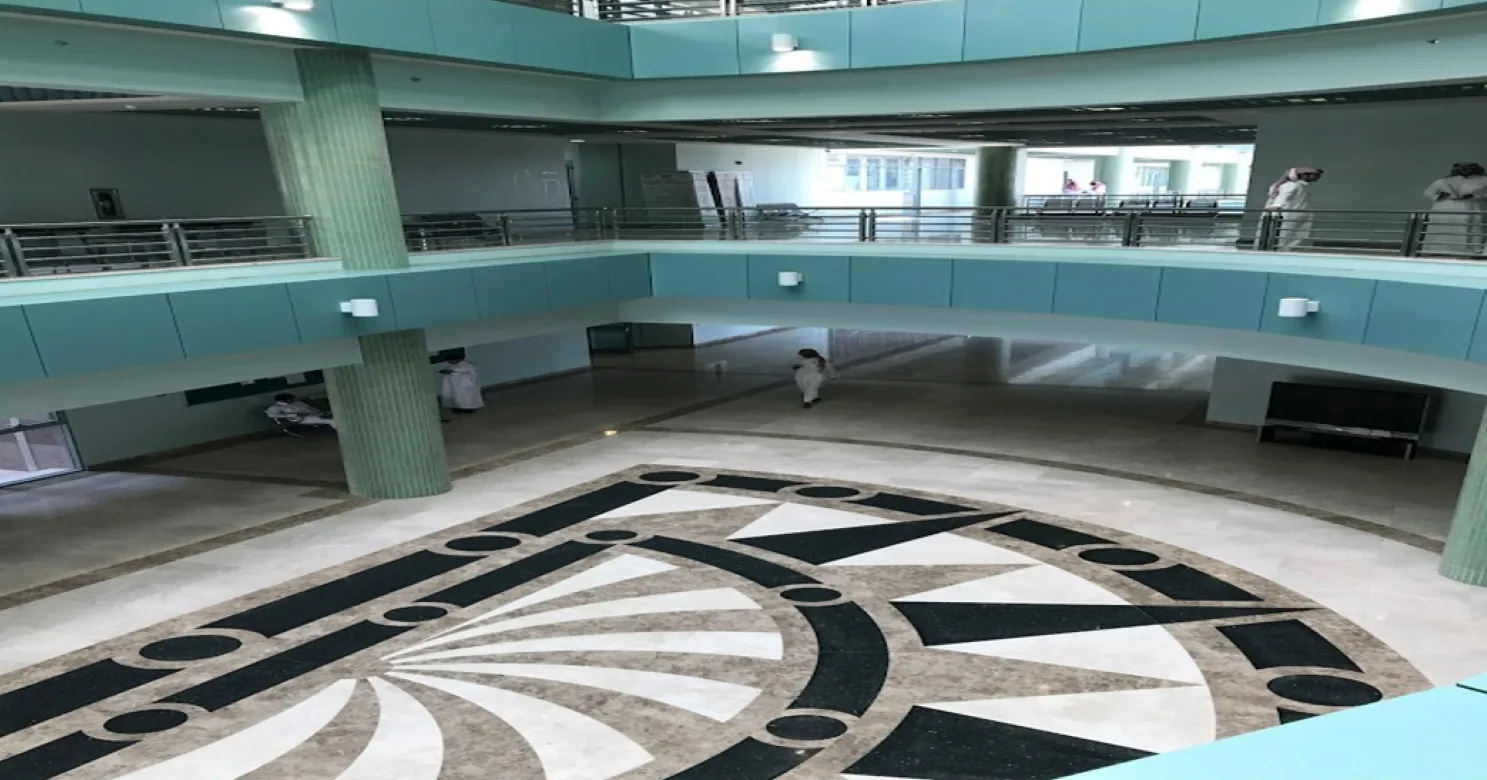
Huraymila
Riyadh Region
A college campus finishing scope, part of our wider Riyadh Region higher-education work.
1 project delivered
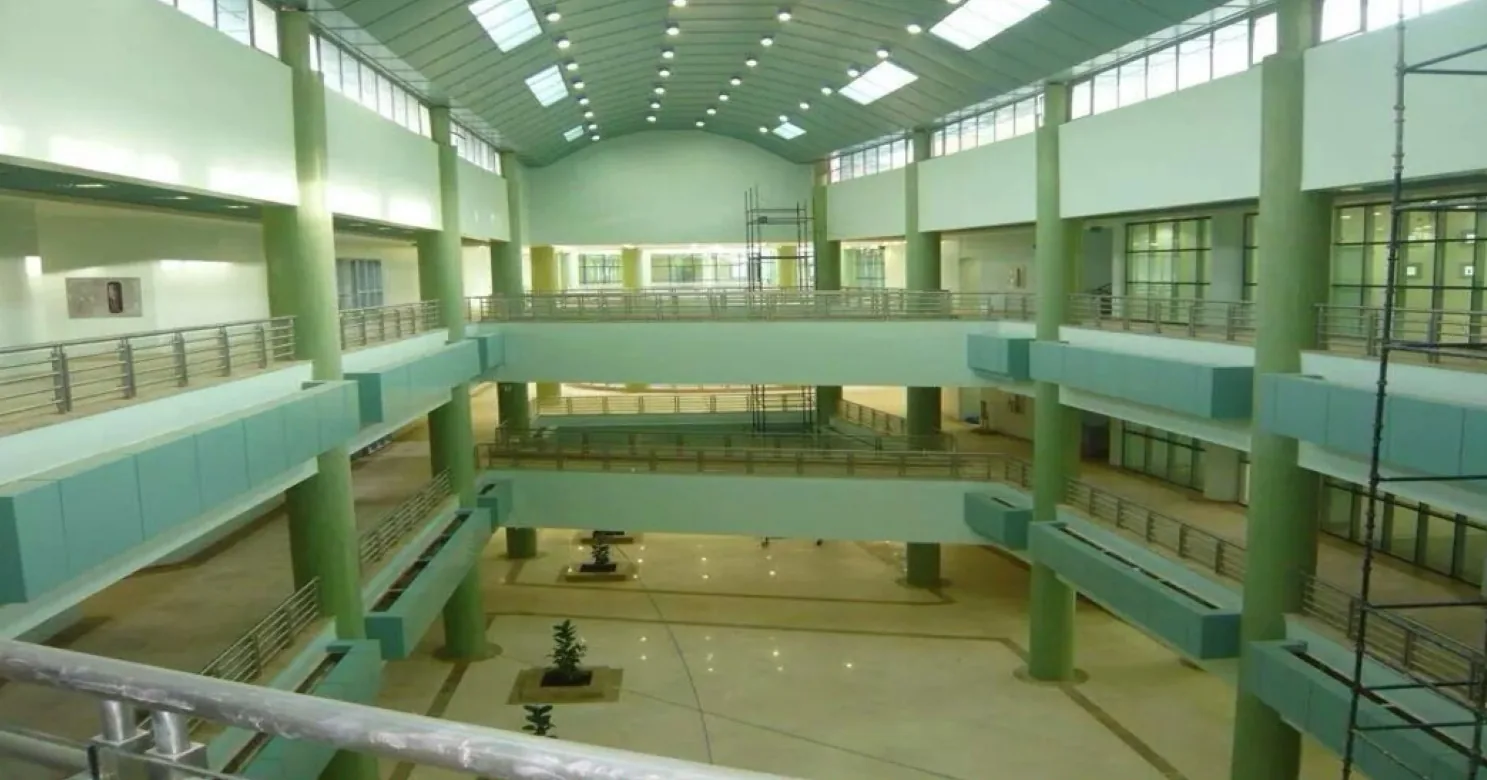
Muzahmia
Riyadh Region
A university campus finishing scope, on the Riyadh–Mecca Highway corridor west of the capital.
1 project delivered
Related projects in MEP Works
Government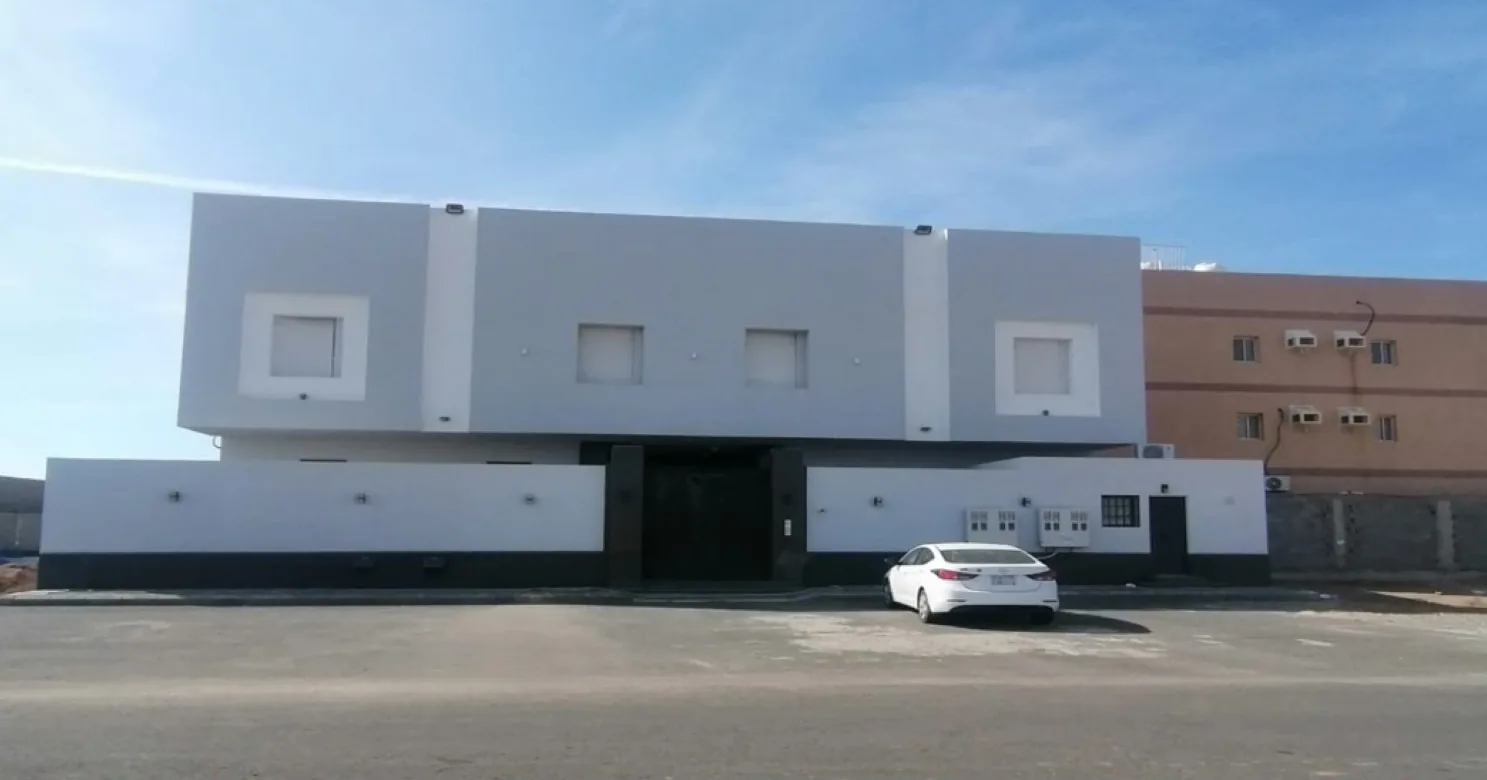 Residential
Related reading
Main Contractor vs Subcontractor: What's the Difference?
Main contractor and subcontractor sound like a hierarchy of quality, but the real difference is contractual role. Here's how it actually works.
Read more
Saudi Building Code Requirements for Finishing Works
Where the Saudi Building Code touches finishing works — railings, fire-rated partitions, waterproofing and accessibility — and why it matters on site.
Read moreFrequently asked
Do you handle electrical work on its own, or only as part of a full project?
Both — electrical sits inside our MEP capability and is available as standalone scope or coordinated with the rest of a project's finishing and structural works.
Who tests the electrical installation before handover?
Our support-engineering team inspects and tests circuits as part of the same quality process applied to every trade on an Ashlaar project, before any finish closes over the work.
Can you work to an existing MEP design, or do you need to design it?
We work to the project's approved MEP drawings and coordinate installation against them; design development is handled with the client's consultant where one is appointed.
Do you supply the electrical fixtures and fittings, or only install them?
We install to a specified fixture and fittings schedule; supply can be arranged as part of the project or worked to a schedule your design team provides.
How do you avoid clashes between electrical containment and HVAC or plumbing routing?
Routing is planned against the same ceiling void and riser space the drawing set allocates to HVAC ductwork and plumbing lines before first-fix starts, so containment doesn't get installed twice or fought over on site.
What happens if the building's electrical load needs change after handover?
We size distribution boards with spare capacity for future load changes as standard, rather than the bare minimum for the day-one fit-out — the kind of shortcut that looks identical to correct work until the building's usage changes.
How does Jeddah's coastal climate affect electrical material choices?
Humid, salt-laden air corrodes exposed metalwork faster than in drier inland cities. Containment, supports, fixings and enclosures in exposed or semi-exposed places should have a finish or material suited to that exposure, and outdoor fittings should be weather-protected. The consultant's specification sets the requirement, so confirm it addresses the coastal setting before tender.
How do we make sure sockets and switches end up in the right places?
Check the drawn positions against the furniture and equipment layout before first-fix, then confirm them on site by marking box positions on the wall or floor while the work is still open. Moving a mark costs almost nothing; moving a box after plastering or tiling is disruptive.
What documents should we receive for the electrical installation at handover?
At a minimum, the recorded circuit tests, distribution board schedules, as-built drawings showing concealed routes and box locations, and the operation and maintenance manuals for installed equipment. Your specification may require more, so check it before handover rather than after.

Planning a project? Let's talk finishing.
Tell us about your scope and timeline — our technical team will respond with a clear, considered proposal.