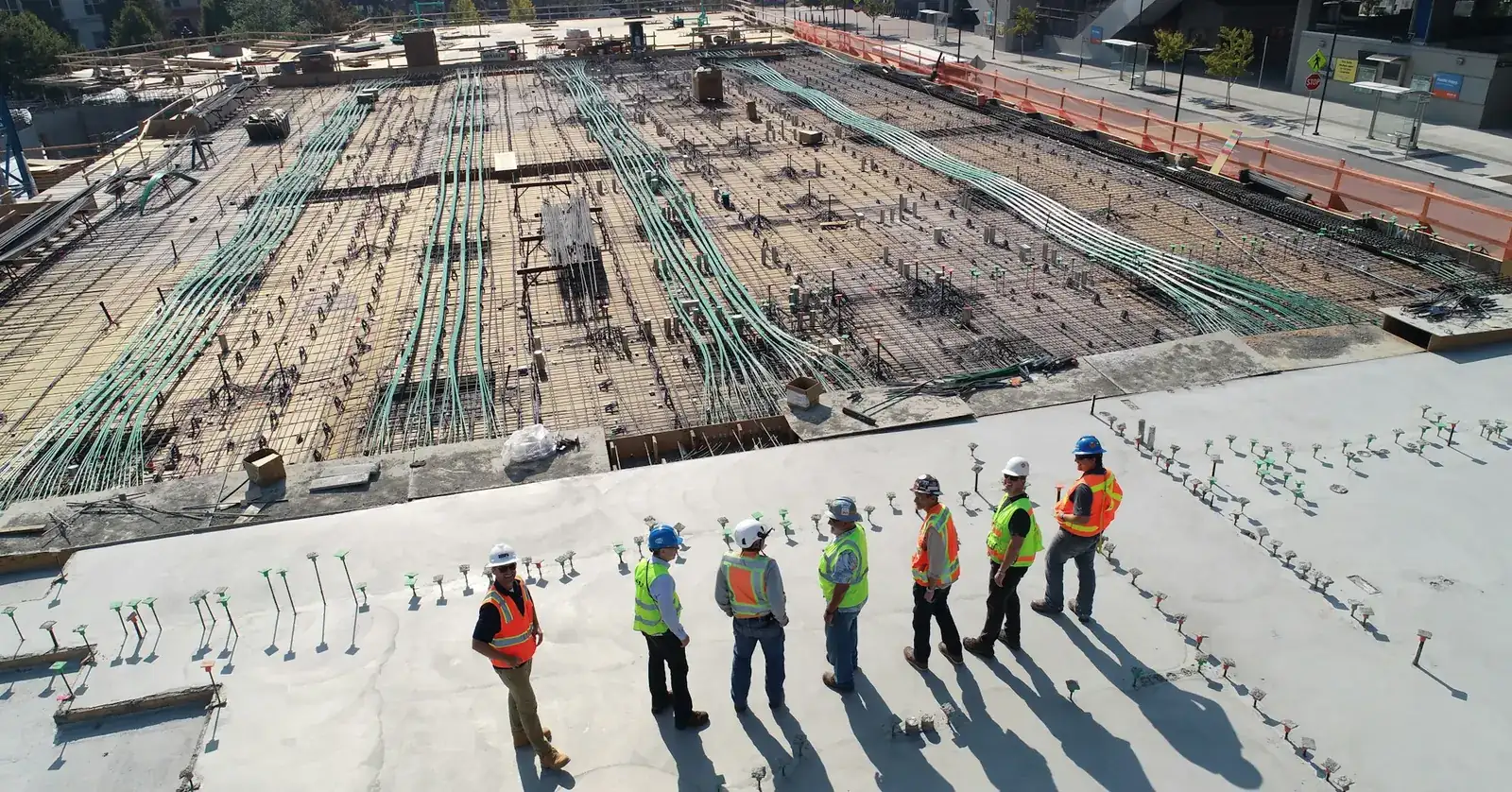
Construction Project Management Company in Saudi Arabia
Project management and scheduling for multi-trade construction projects in Saudi Arabia — one team tracking progress against the programme, not five.
Request a QuoteOn a multi-trade project, the risk usually isn't any single trade failing — it's that nobody owns the programme as a whole. Electrical is waiting on a ceiling that's waiting on plaster that's waiting on a delivery nobody chased, and by the time it surfaces as a missed milestone, the delay has already eaten into the float that was supposed to absorb it. A schedule that exists as a document nobody actively manages against the main contractor's critical path isn't really a schedule, it's a snapshot of a plan that stopped being true weeks ago. The cost of that gap isn't just the delay itself — it's the decisions made to recover it under pressure, corners cut on sequencing or inspection that wouldn't have been cut if the programme had been tracked properly from the start.
Our project management scope covers programme development and tracking against the main contractor's critical path, sequencing coordination between our own trades and the trades around us, and progress reporting that reflects where the work actually is, not where the original plan assumed it would be. Slippage gets flagged and escalated while there's still float to recover it, not at the next scheduled progress meeting. Coordination meetings are run against a live programme rather than a static one, so a decision made in the room changes the schedule everyone's working from the same day, not after the minutes are typed up and circulated.
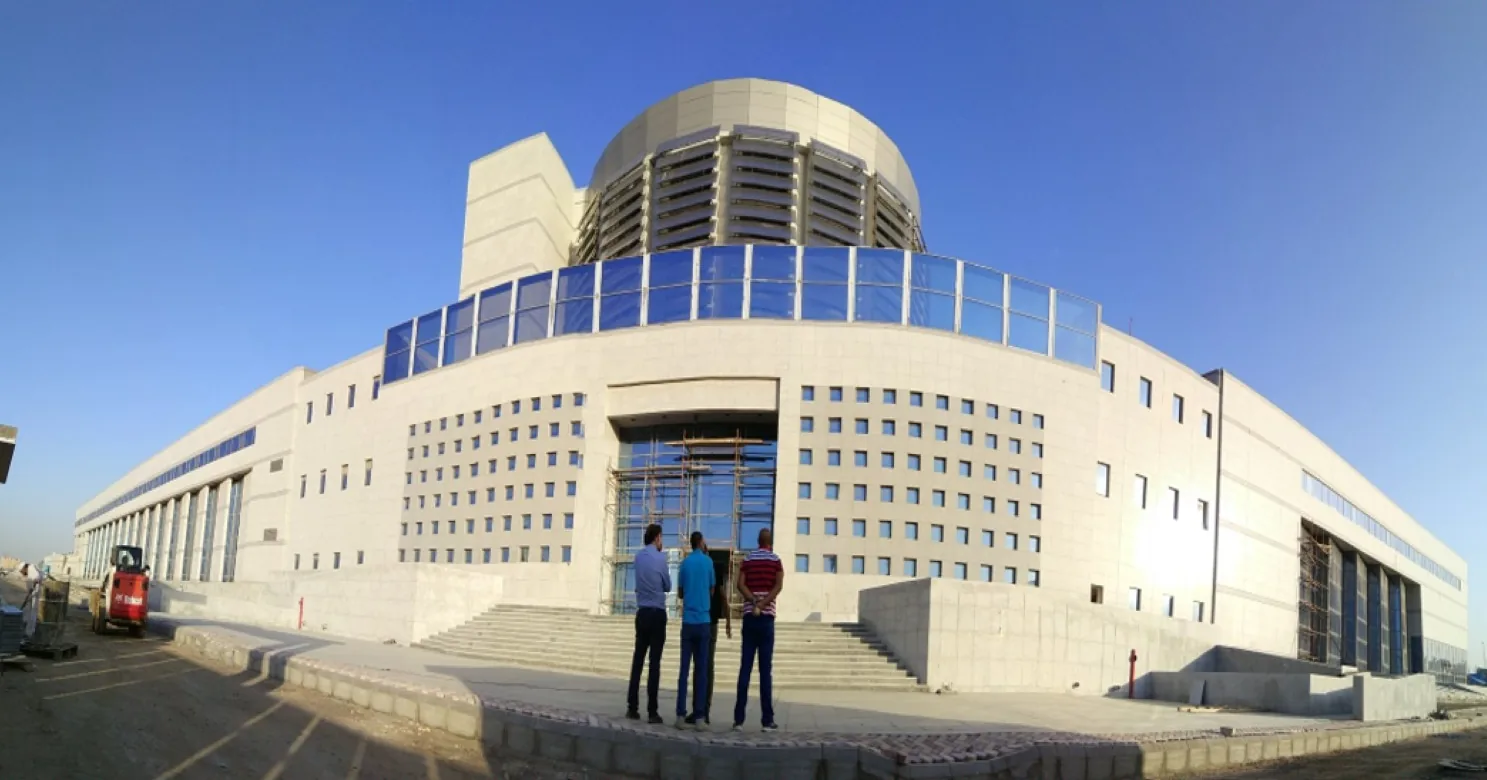
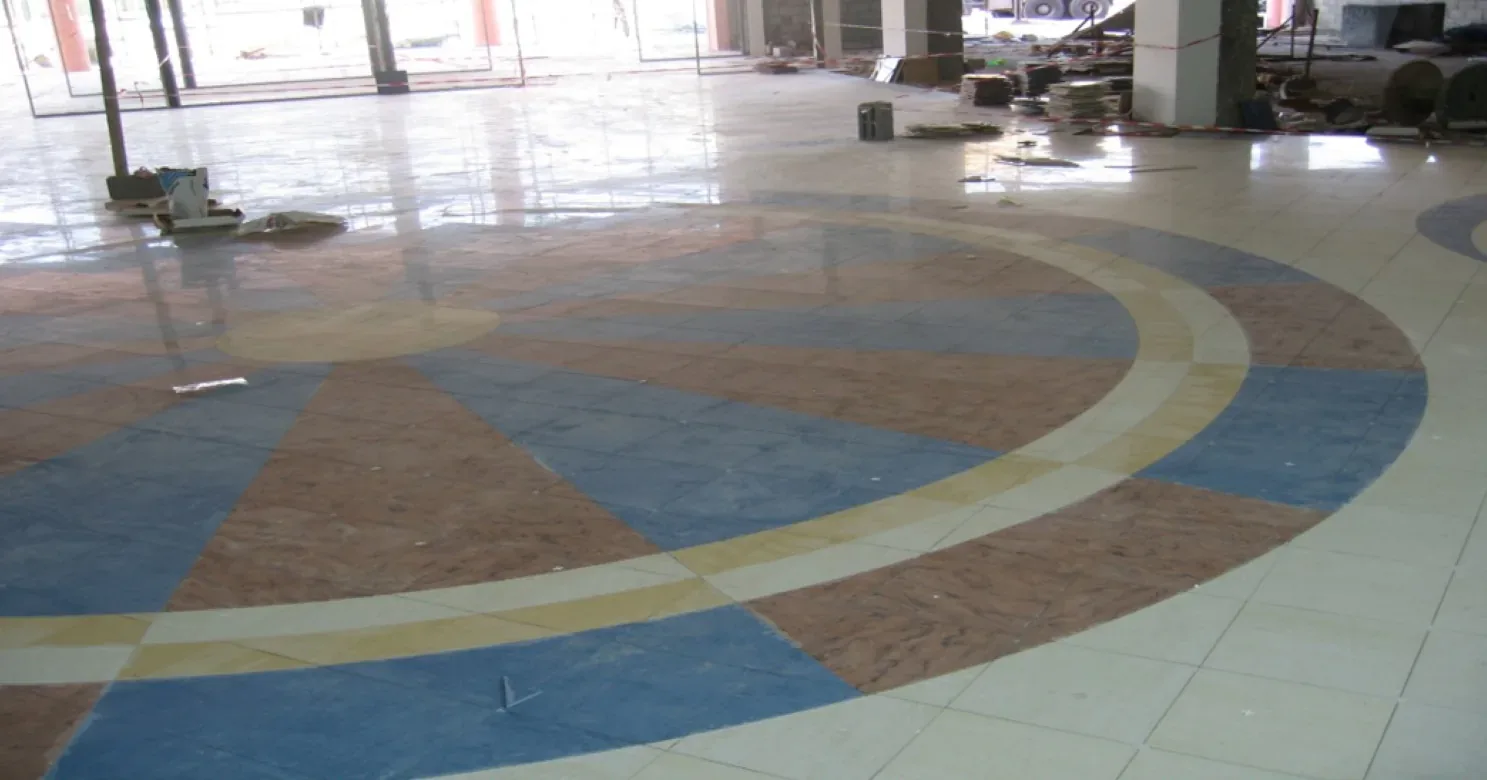
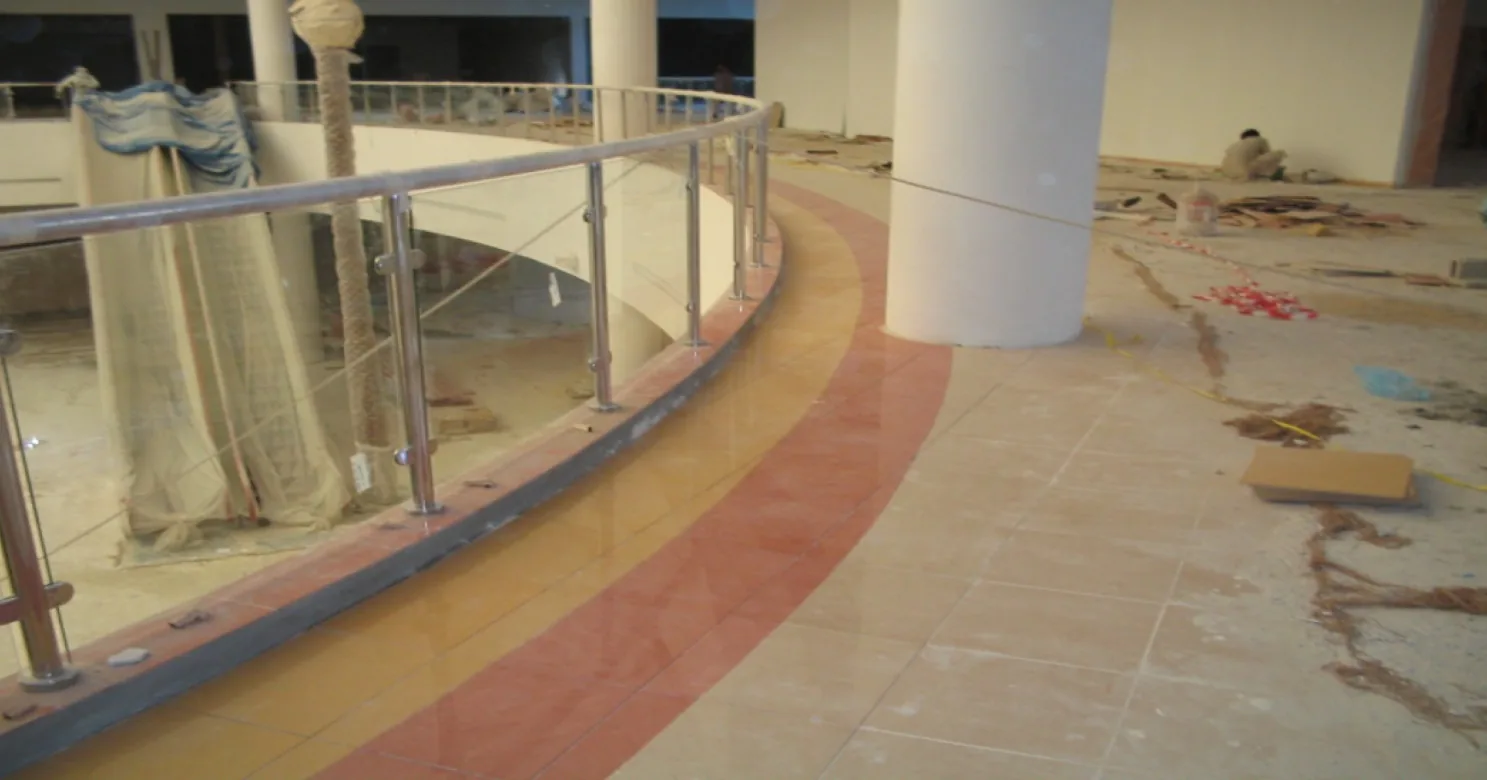
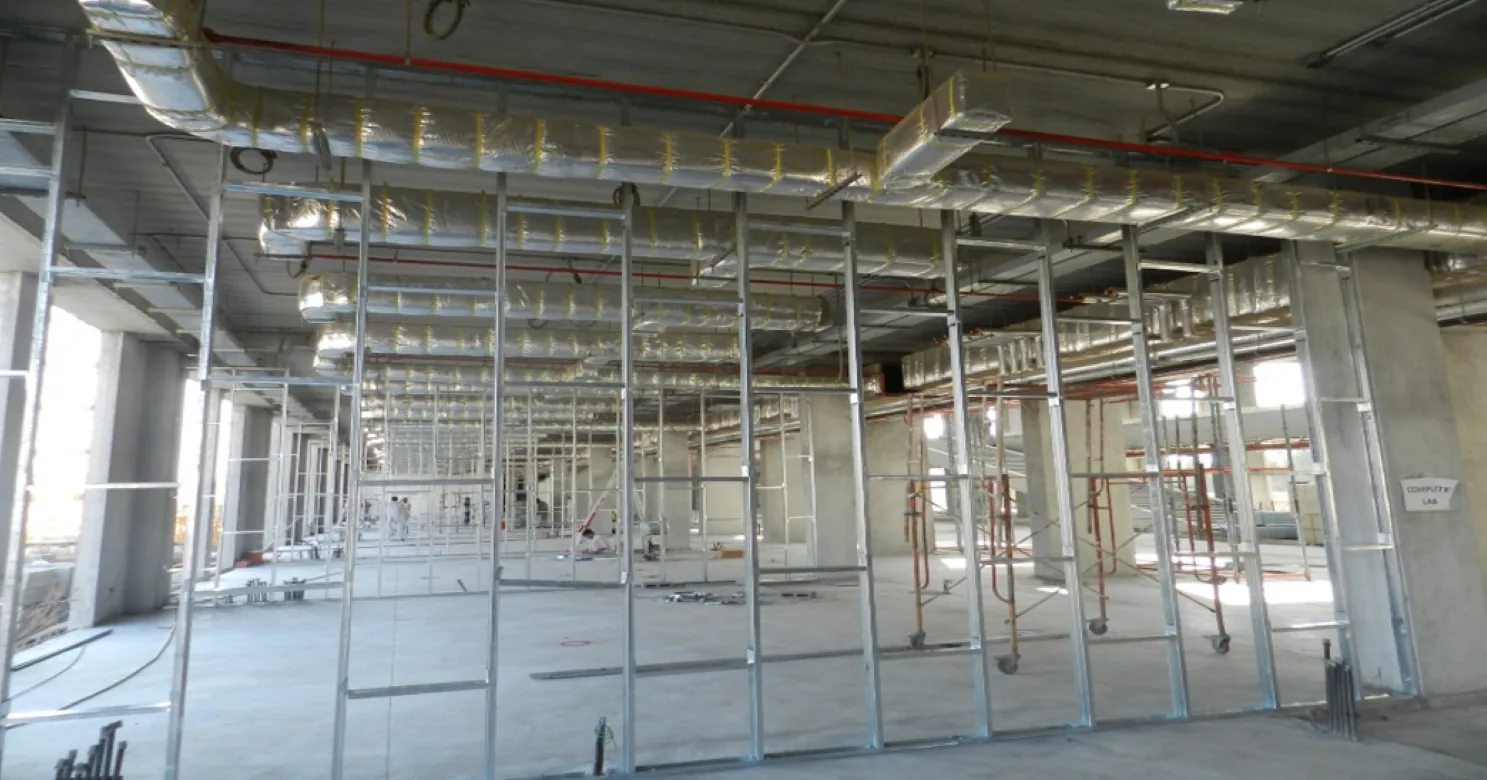
This is the internal sequencing discipline we relied on as finishing contractor on a large-scale, multi-trade campus like Prince Sultan University of Engineering in Al Kharj, where our own finishing, cladding and flooring scope had to be programmed across a large site without one of our trades blocking the next. It's the same reason we run project management as a standing capability rather than assembling it project by project — a large scope needs someone tracking it full-time, not part-time between site visits.
Project management on an Ashlaar project runs alongside the technical services and quality-and-safety functions on the same support-engineering team, rather than as a separate consultant layered on top — one point of contact for where the programme actually stands, not three.
What's in scope
- Programme development and tracking against the critical path
- Sequencing coordination between our trades and others on site
- Progress reporting and slippage escalation
How we deliver this
- 01
Programme development
A programme is developed and tracked against the main contractor's critical path from the outset.
- 02
Sequencing coordination
Sequencing is coordinated between our own trades and the trades working around us.
- 03
Live progress reporting
Progress reporting reflects where the work actually is, not where the original plan assumed it would be.
- 04
Early slippage escalation
Slippage is flagged and escalated while there's still float to recover it.
- 05
Live coordination meetings
Coordination meetings run against a live programme, so decisions update the schedule the same day.
- 06
Support-engineering integration
Project management runs alongside technical services and quality-and-safety on the same support-engineering team.
What makes a programme useful
A programme is more than a bar chart. It is a network of activities linked by logic, where each link says what must finish before the next task can start. The longest chain of linked activities is the critical path, and any delay on it moves the completion date. Activities off that path have float, some room to slip without affecting the end date. Unless the contract says otherwise, float is treated as a shared project resource, not the property of whichever trade uses it first, so it should be visible and tracked.
A finishing package has to sit inside the main contractor's own programme, which is why a useful finishing programme is built against the main contractor's critical path and not in isolation. The main contractor's programme sets when areas become available, when services are tested and when handover is due; the finishing programme has to work back from those dates. See Main Contractor vs Subcontractor: What's the Difference? for how the two roles differ.
The dependencies that cause delay in finishing and MEP work
| Dependency | Why it delays work | What to watch |
|---|---|---|
| Area handover from the main contractor | Finishing cannot start where structure or services work is still under way | Agreed handover dates, and who confirms an area is ready |
| Services testing before walls and ceilings close | Ceilings and plaster wait for concealed services to be tested and inspected | Test and inspection dates written into the programme, not assumed. See MEP Works |
| Waterproofing test before screed and tiling | Screed and tiles cannot go down until the membrane is tested and accepted | Inspection booked with the consultant available. See Wet-Area Waterproofing |
| Submittals and material approvals | Stone, joinery, doors and fixtures often need approved samples and long ordering periods | Approval and order dates tracked as activities |
| Drying and curing between layers | Plaster, screed, paint and adhesives need time before the next layer, depending on product and weather | The manufacturer's data sheet and site conditions, not a guess |
| Testing, commissioning and snagging | Handover cannot happen until systems are proven and defects closed | Time allowed at the end, not squeezed out by earlier delays |
What an owner should see in progress reporting
- Planned versus actual progress against the baseline programme, by area or trade
- Any change to the critical path since the last report, and the reason
- A short-term look-ahead of what each trade needs ready
- Status of submittals, technical queries and material orders, drawn from Technical Services Department
- A risk and issues log with a named owner for each item
- A log of instructions and changes, with their effect on the programme
- Dated progress photographs that match the areas reported
The test of a report is whether it changes decisions. A report that only repeats the last report's dates is a record, not management.
Recovering delay without trading away quality
When work slips, every recovery option has a price. Re-sequencing can open new work fronts but may crowd trades into the same space. Extra labour helps only where there is room and supervision to use it. Longer working hours raise fatigue and safety risk. Splitting a building into zones lets trades work in parallel, but only if each zone has a proper handover and inspection point, which links directly to Quality & Safety Supervision.
Keep a dated written record of every instruction and delay event, because the notice provisions in most contracts depend on it. At Prince Sultan University of Engineering, the scale of the campus meant finishing, cladding and flooring trades had to be programmed so that none blocked the next, and the published project record describes it as the working example for this function. Ashlaar's project management runs alongside technical services and quality-and-safety supervision on one support-engineering team, as described under Supervision & Consultancy.
What's handled by another capability
- Design development — coordinated against the project's approved design, not authored by this function
- Technical query and submittal management — see Technical Services Department
- Quality inspection and safety supervision — see Quality & Safety Supervision
Where we deliver this
 Head office
Jeddah
Makkah Region
Ashlaar's head office, and the largest share of our project record.
7 projects delivered
Riyadh
Riyadh Region
Our largest project base outside Jeddah.
6 projects delivered
Dammam
Eastern Province
Interior finishing and flooring for a retail development.
1 project delivered
Al Ahsa
Eastern Province
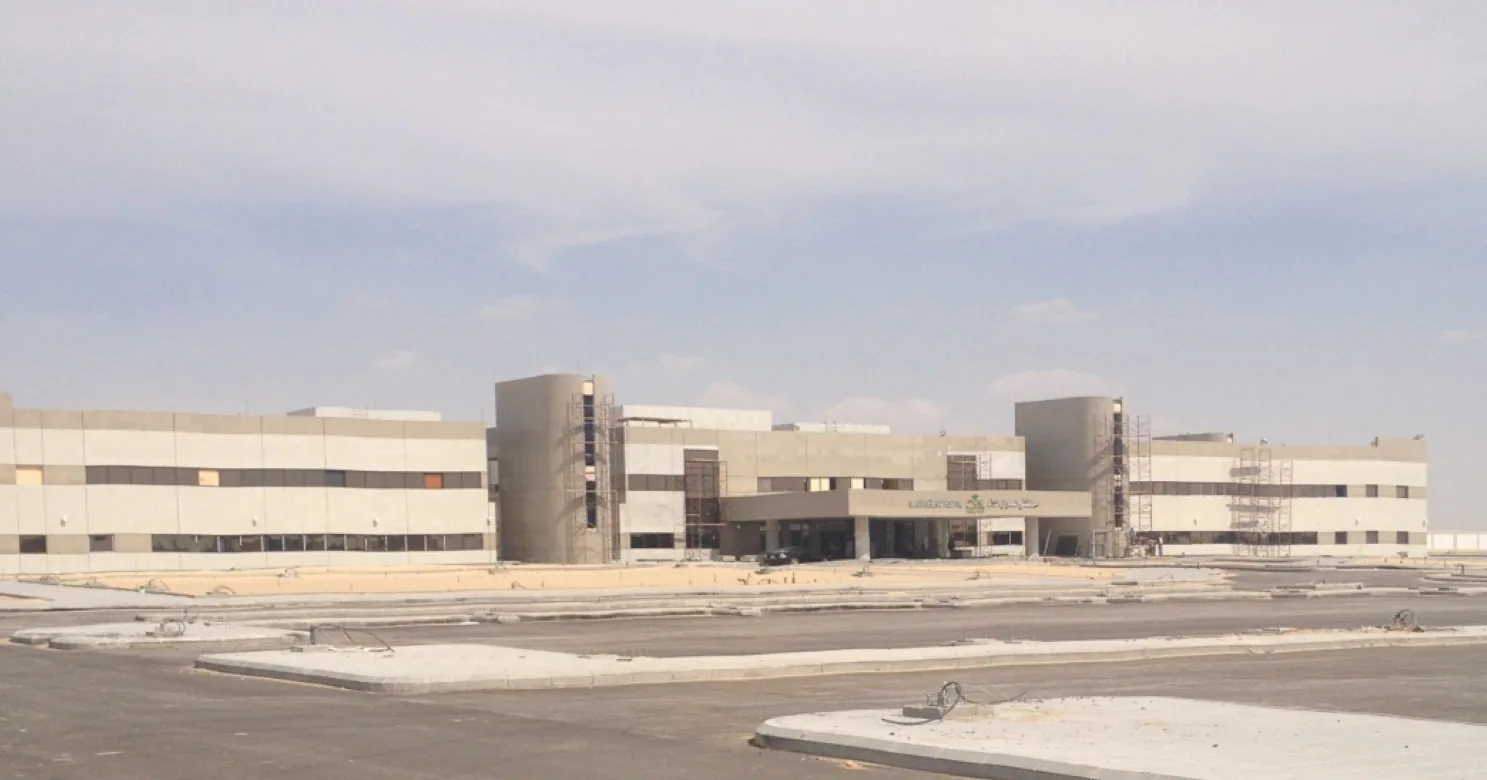
Architectural finishing for a healthcare facility.
1 project delivered
Al Kharj
Riyadh Region
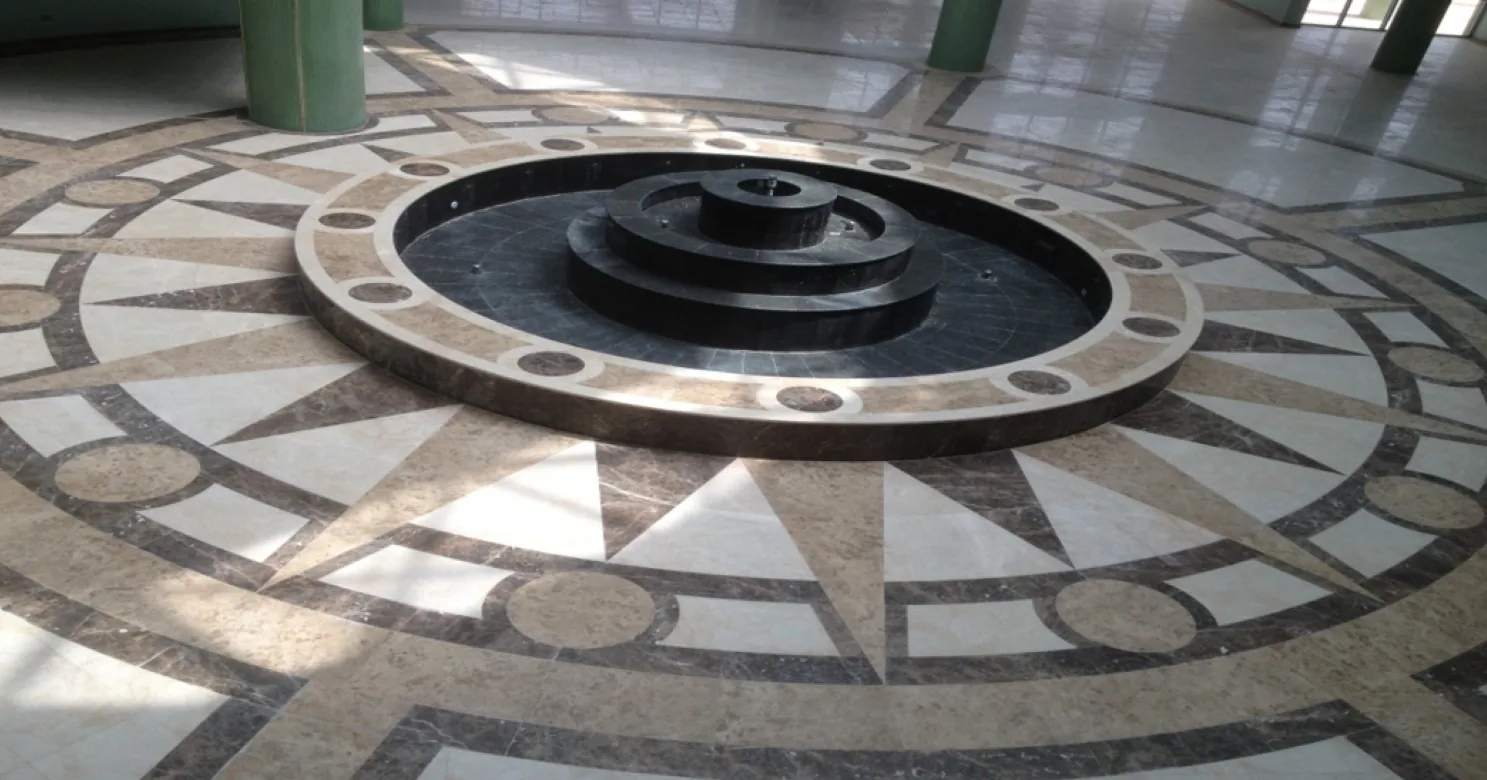
The Kingdom's dairy capital — and our largest Riyadh Region project outside the capital itself.
1 project delivered
Huraymila
Riyadh Region
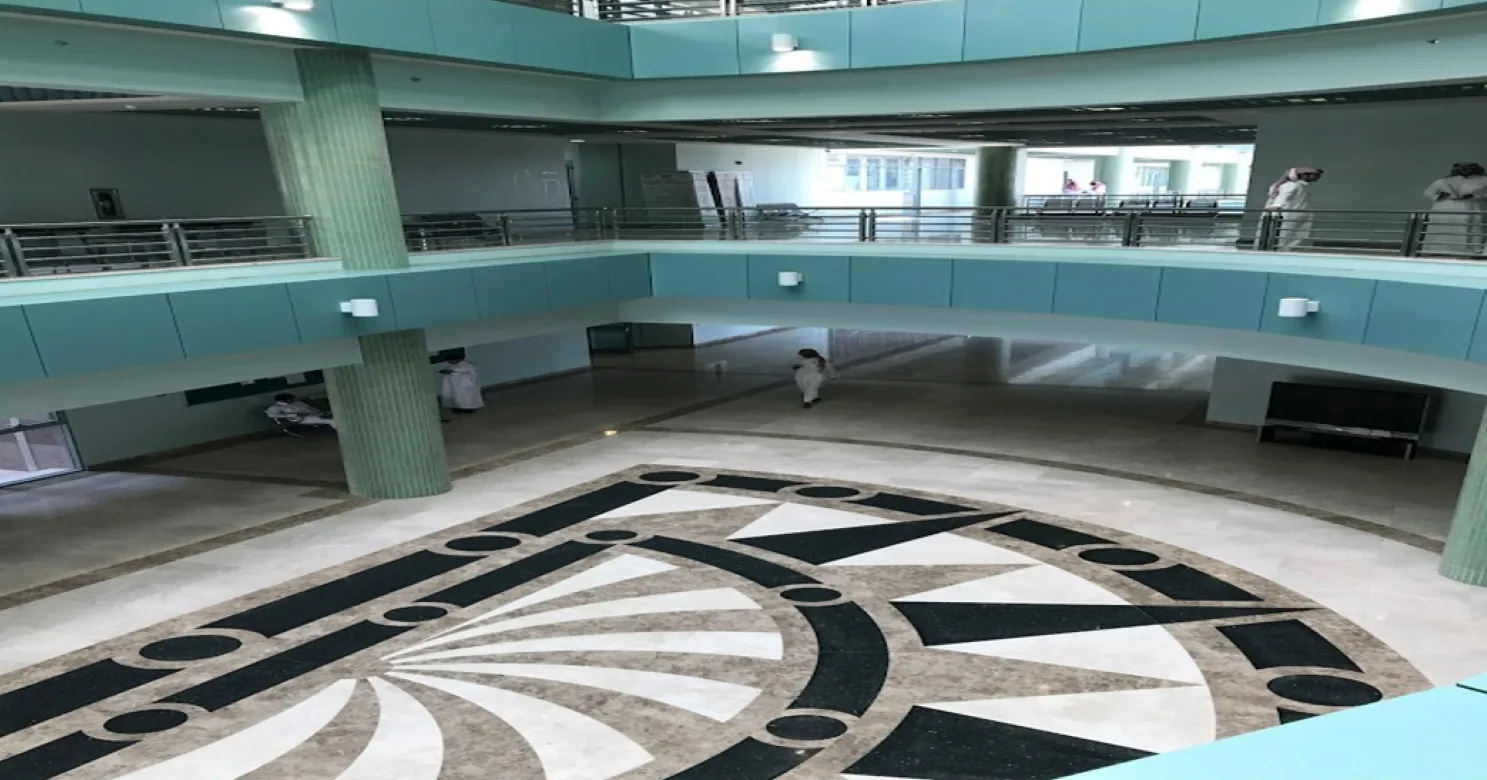
A college campus finishing scope, part of our wider Riyadh Region higher-education work.
1 project delivered
Muzahmia
Riyadh Region
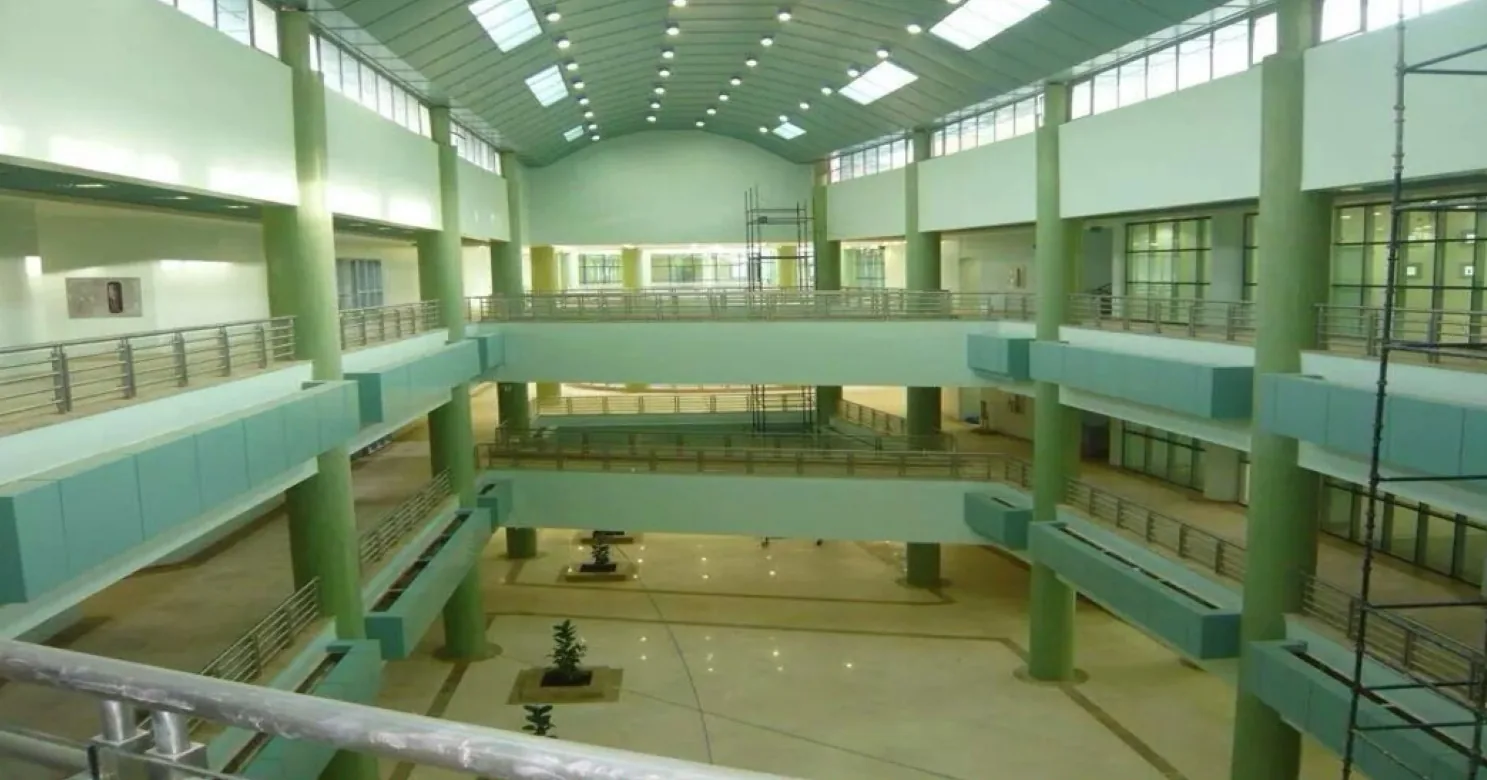
A university campus finishing scope, on the Riyadh–Mecca Highway corridor west of the capital.
1 project delivered
Projects that evidence this trade
GovernmentGovernmentGovernmentRelated reading
Main Contractor vs Subcontractor: What's the Difference?
Main contractor and subcontractor sound like a hierarchy of quality, but the real difference is contractual role. Here's how it actually works.
Read more
Questions to Ask Before Hiring a Finishing Contractor in KSA
A working checklist of the questions to ask any finishing contractor in Saudi Arabia before signing — on scope, programme, quality and payment.
Read moreFrequently asked
Do you manage the overall project schedule, or only your own trades' sequencing?
Both — we track our own scope against the main contractor's critical path and coordinate sequencing between our trades and the others working alongside us.
How do you report progress?
Through regular progress reporting tied to the programme, with slippage flagged and escalated as soon as it's identified rather than held for the next scheduled update.
Is project management available as a standalone service, or only bundled with construction works?
It runs alongside our construction scope as standard on every project; ask your contact about availability as a standalone service for your specific project.
How is slippage handled once it's identified?
It's flagged and escalated while there's still float in the programme to recover it, not held for the next scheduled progress meeting — catching it early is what keeps a delay from becoming a missed milestone.
Do coordination meetings actually change the working schedule, or just get documented?
They change it the same day — meetings run against a live programme, so a decision made in the room updates the schedule everyone's working from immediately, not after minutes are typed up and circulated.
Who is our single point of contact for programme status?
Project management runs alongside technical services and quality-and-safety on the same support-engineering team, so there's one point of contact for where the programme actually stands rather than three separate functions to chase.
What is float, and who owns it?
Float is the time an activity can slip without moving the completion date. Unless the contract says otherwise, it is treated as a shared resource of the project: if one trade uses it up early, later trades and the completion date lose their protection. Ask that float be shown in the programme and that its use is recorded.
What should I ask to see before agreeing a programme?
The logic behind the dates: area handover assumptions, approval and delivery dates for long-lead materials, inspection and test points, and the time allowed for drying, curing and commissioning. A programme that shows only dates and no logic cannot be tracked properly.
How is a delay caused by another party recorded?
Write it down when it happens: what stopped work, where, on what date, and what it affected. Follow the notice procedure in your contract, because late notice can weaken a claim for more time, and take advice where the stakes are high. Dated photographs and daily records support the account.
More from Supervision & Consultancy
Supervision & Consultancy

Planning a project? Let's talk finishing.
Tell us about your scope and timeline — our technical team will respond with a clear, considered proposal.